
Why California’s Ballot Count Takes Weeks to Finish
California’s vote count stretches over weeks because the state mails a ballot to every one of its 23 million registered voters, accepts ballots up to seven days after Election Day, and verifies each signature against registration records — a workload that left 5.5 million ballots still uncounted the Friday after the 2024 election.
Election Day in California is less a single day than the closing bell of a month-long voting window. The state sends a ballot to every registered voter no later than 29 days before the election, and voters can return those ballots through drop boxes, staffed voting sites, or the mail at any point up to and including Election Day itself. That accessibility comes with a tradeoff: mailed ballots can arrive up to seven days after Election Day and still be counted, and counties then have 30 days — until December 3 this year — to process everything and certify results.
California has more registered voters than any other state, and sending mail ballots to all 23 million creates a processing challenge unlike anywhere else in the country.
The Mail-Ballot Wave That Swamps County Offices
When the dust settled on the Friday after the fall 2024 election, 5.5 million ballots were still waiting to be counted. Los Angeles County alone had nearly a million outstanding, San Diego County had almost half a million, and Alameda County had roughly 460,000. Those numbers illustrate the choke point that defines California elections: the flood of mail ballots that registrars must open, verify, and tabulate after voters have already gone home.
Every ballot envelope requires a signature check against the registration record on file. When a signature does not match, the ballot enters the “curing” process, where the voter is contacted and given a chance to confirm their identity. Nearly every state has some version of curing, but California’s deadline is significantly later than any other state’s, which extends the timeline for resolving mismatches.
Voters Face Extra Verification Steps
Several other policies add layers of verification. Voters who show up unregistered can complete a “conditional registration” and cast a ballot that goes through a separate verification process. Voters at the wrong polling site cast “provisional” ballots for the races they are eligible to vote on, and ballots returned to the wrong county get mailed to the correct registrar. Each safeguard exists to count every legitimate vote, but together they can overwhelm election offices.

The seven-day post-election arrival window adds some delay, though roughly ten times as many late ballots arrive by Election Day as after it. The state allocated $29 million to registrars this cycle to help speed processing, but the most effective improvements — more machines, more space, more staff — require significant spending, and it remains unclear whether the appropriated funds are enough to get counties over the hump.
What Voters Should Watch in the Coming Weeks
For anyone following returns, the practical lesson is patience with the numbers. Most races will be decided quickly, but close contests may take considerable time to call and should not be prejudged from early returns. Turnout calculations are also enormously misleading until the state releases its first “unprocessed ballot count” several days after Election Day, which estimates how many ballots remain outstanding. Until that report arrives, any conclusion about voter engagement is premature. The final certification deadline is December 3, giving counties a full 30 days from Election Day to finish the count.

Orlando International Airport Hosts Nation’s First Air Taxi Landing at Commercial Vertipad
For travelers along Florida's Interstate 4 corridor, a recent test flight at Orlando International Airport's new vertipad brings...
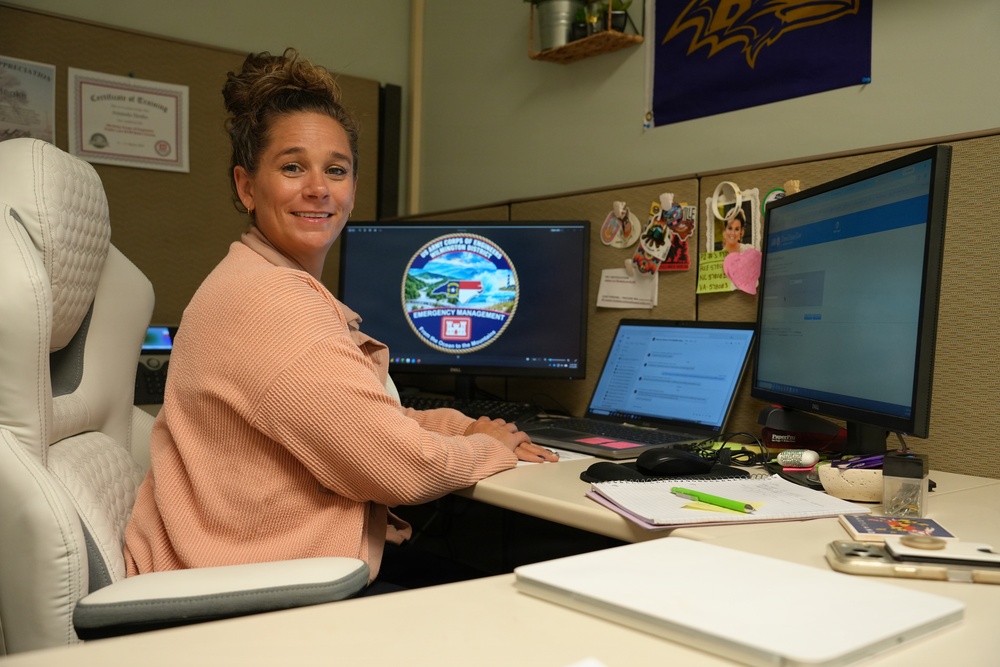
Amanda Henke earns USACE Wilmington District DTOS operator qualification
Driven to Serve: One of Three Women Among 72 Army Corps Emergency Operators "I wanted to be a...

Sacramento County Officials Prepare for Strong El Niño Winter
Sacramento County Maps Out Winter Storm Preparations as Strong El Niño Looms Sacramento County officials laid out a...
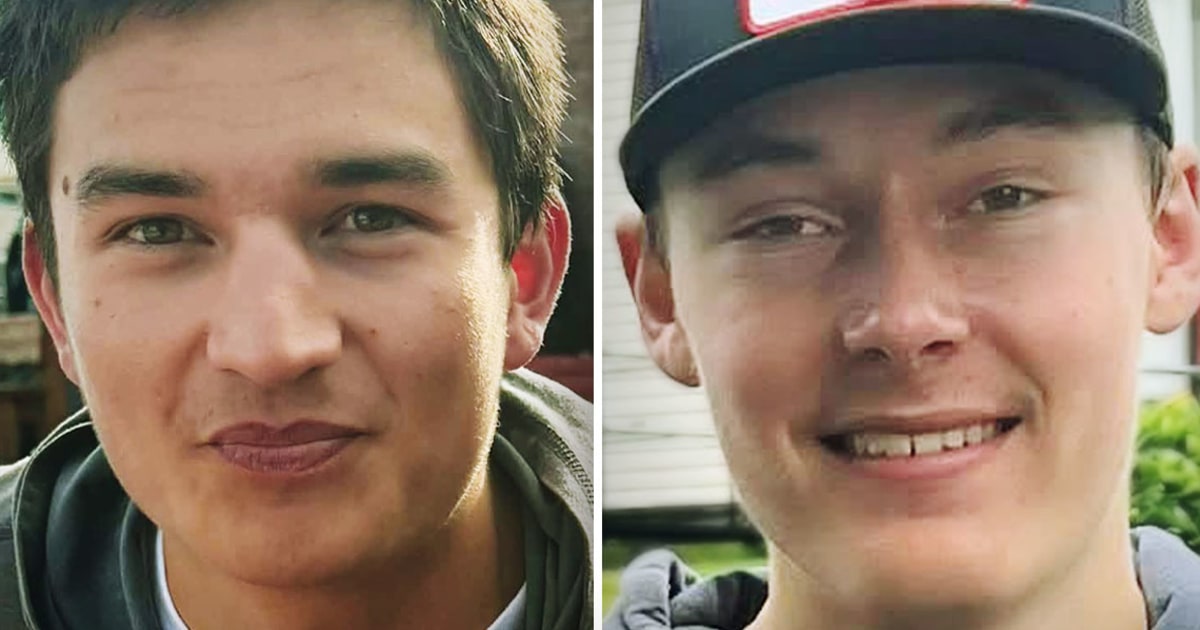
Two College Students Die After Climbing Anchor Fails in Colorado
Two Colorado Mountain College students who went missing during an October hike in the Rockies died instantly after...