Massachusetts voters face a decision at the ballot box this autumn, confronting nine binding statewide questions, the most that Massachusetts voters have ever been asked to consider. Secretary of the Commonwealth William Francis Galvin outlined the stakes for the Tuesday, November 3, 2026 election, noting that early voting is held October 17-30 after a registration window that closed on October 24, as detailed in the official Voter Information Guide. Question 6 and Question 3 have sparked intense debate, touching everything from local open spaces to the fundamental mechanics of state elections.
Protecting Public Green Space Through Question 6
Local conservation advocates are rallying behind Question 6, a measure designed to redirect existing revenues from the sales tax on sporting goods directly toward protecting water resources and natural habitats. Supporters view the initiative as a crucial fix for state budgeting priorities. Massachusetts currently ranks far behind other states for spending on parks, a gap that local organizers argue must close as climate change poses greater challenges and the federal government is rolling back environmental protection.
Massachusetts voters will decide the future of recreational marijuana sales this November.Question 8 would END legal retail recreational marijuana sales and home cultivation in Massachusetts, while still allowing adults 21+ to possess up to 1 ounce without penalty. pic.twitter.com/NHXmq0tKuK
Governor Maura Healey, Mass Audubon, the Nature Conservancy, and the Emerald Necklace Conservancy have all thrown their support behind the measure. Brookline GreenSpace Alliance President Sean Lynn-Jones endorsed the push, pointing to the tangible local impact.
Lynn-Jones wrote that by dedicating revenues from the existing sales tax on sporting goods to protecting water and nature, Question 6 would ensure that spending on parks and open space would be given a higher priority in the state budget, adding that the proposal establishes a public oversight board to guarantee accountability for how the dedicated revenue is spent on environmental projects.
Upending Party Primaries With Question 3
While Question 6 focuses on environmental funding, Question 3 targets the very structure of how political candidates reach the ballot. Question 3 would replace traditional party-specific primaries with a single, all-party open primary where all candidates securing the required signatures compete against one another.
Under this system, the top two vote-getters would advance to the general election regardless of their political affiliation. In a state as blue as Massachusetts, that structural shift could frequently result in a general election contest featuring two candidates from the same party.
Proponents argue that moving high-stakes matchups to the general election—when voter turnout and interest are peaking—broadens the electorate’s voice. Critics and party traditionalists, however, point out that the change would diminish the formal vetting power of political parties and alter the competitive dynamics of state races. If approved by voters, these structural electoral changes are scheduled to take effect in 2028, though they will exempt presidential campaigns and municipal contests entirely.
Related reading

Carson City Petition Seeks Voter Approval for Purchases Over $10 Million
Carson City residents could soon have direct veto power over major municipal expenditures following the collapse of a...
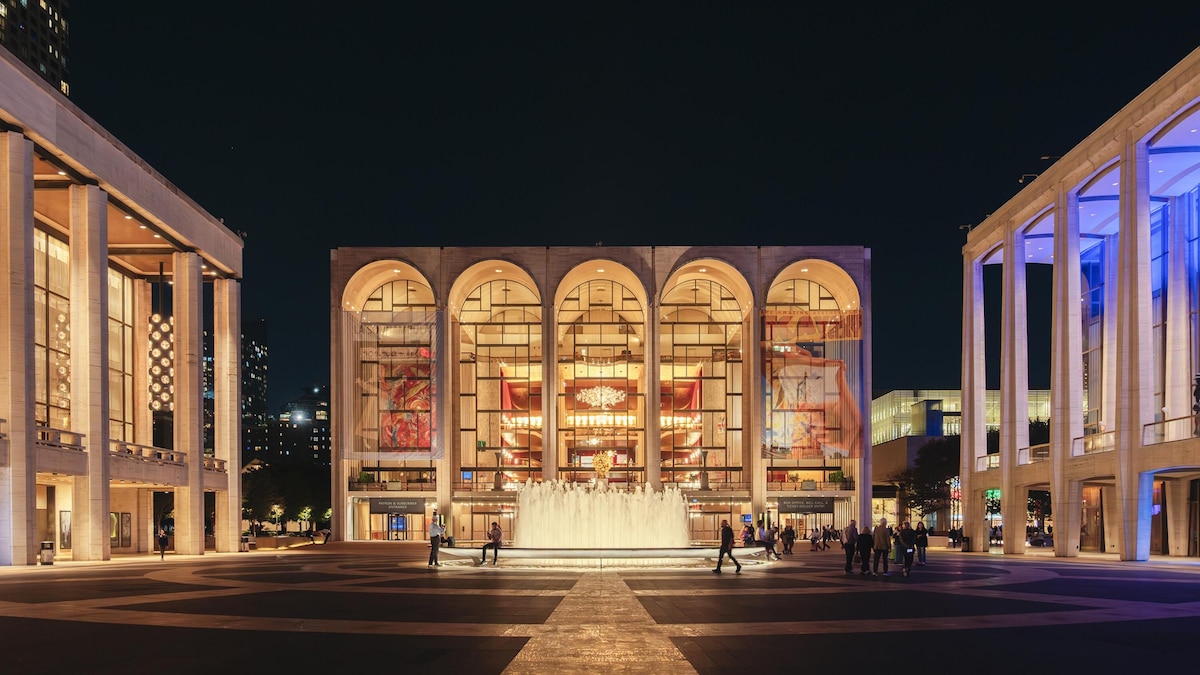
Lincoln Center Tours Offer Behind-the-Scenes Access
Behind the Curtain at New York’s Lincoln Center Sitting in the second tier of the Wu Tsai Theater...
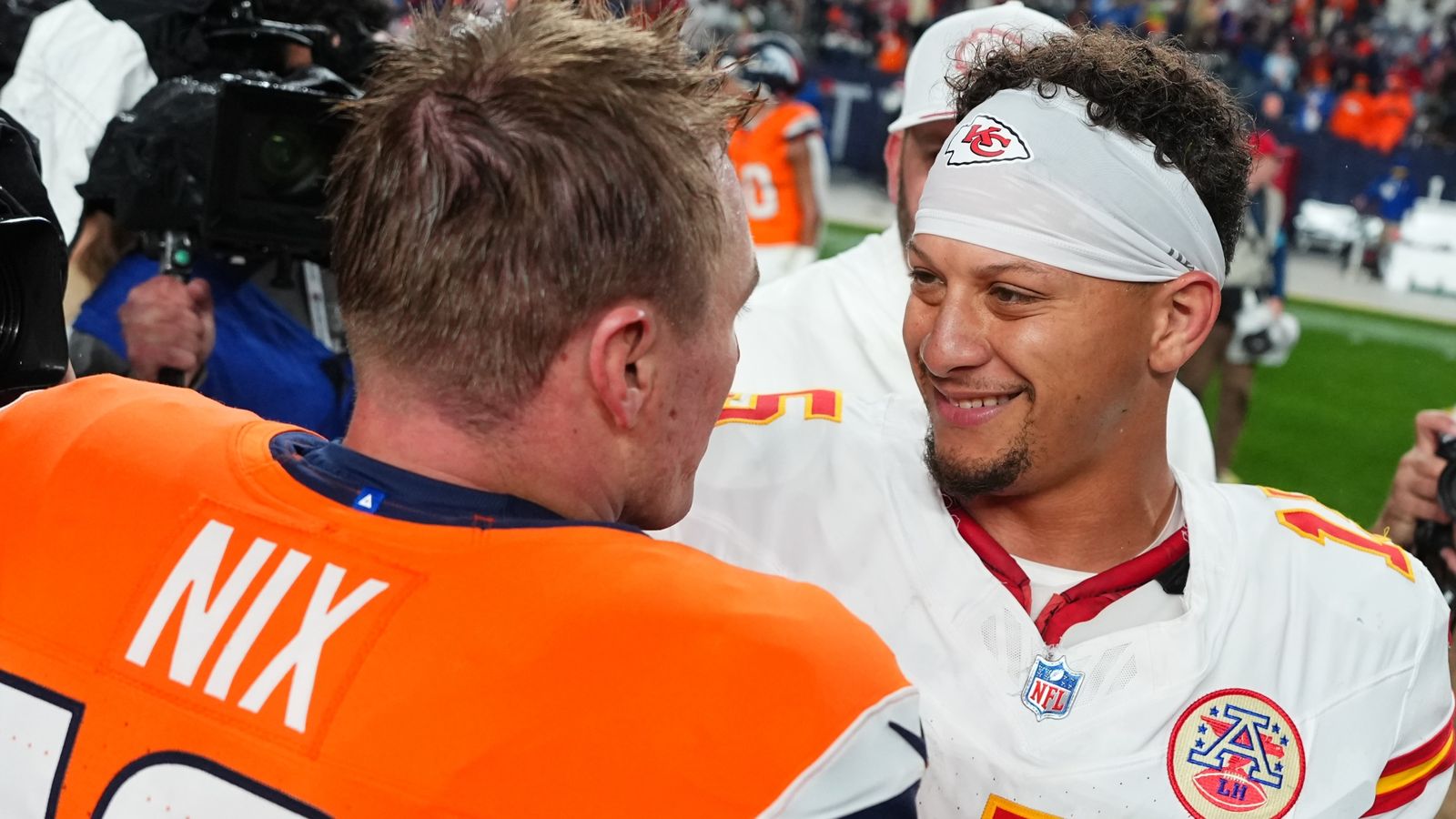
Broncos Defeat Chiefs 28-24 with Dramatic Late Goal-Line Stand to Take AFC West Lead
Chiefs Suffer Heartbreaking Late Collapse Against Broncos as AFC West Standings Shift The Kansas City Chiefs watched a...

Horoscope Predictions and Astrological Guidance for All Zodiac Signs Today
Universal Day Scores Dip as November 2, 2026, Brings Astrological Turbulence A score of plus-5 sets the baseline...