
The winner of Oklahoma’s open U.S. Senate race can take office as soon as the state certifies the results of the November 3 election, according to a formal opinion issued by Oklahoma Attorney General Gentner Drummond. The ruling means whoever wins next week’s midterm contest will likely assume their oath of office weeks ahead of the traditional January 3 expiration of the current Senate term, immediately cutting short the tenure of interim U.S. Senator Alan Armstrong.
Attorney General Drummond’s Formal Ruling Alters Timeline
Oklahoma Attorney General Gentner Drummond released the binding legal decision on Thursday, Oct. 29, determining that state law permits the victor of the upcoming ballot to immediately fill the remainder of the unexpired term alongside the next six-year term. According to oklahomavoice.com, Kevin Stitt and Senate President Pro Tem Lonnie Paxton had formally asked the attorney general to clarify whether Armstrong could finish out the standard congressional calendar or if an elected successor should step in right away.
Oklahoma U.S. Senate winner can take office immediately, AG says https://t.co/yuihsnKSCy
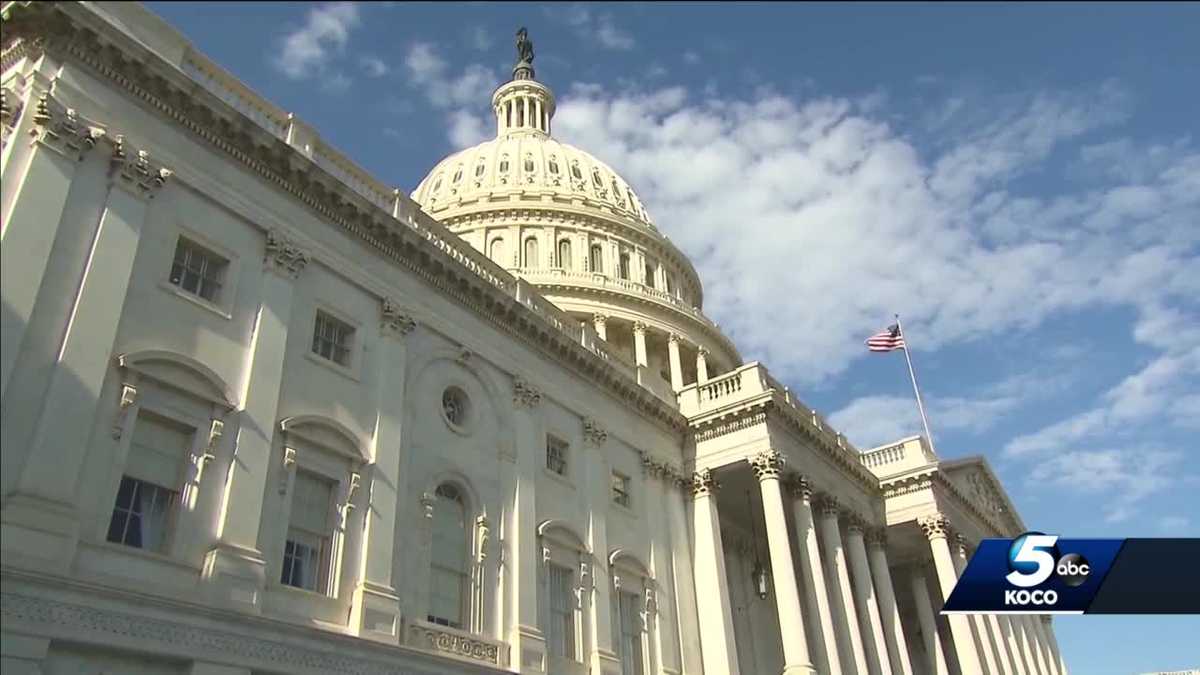
Because the seat was already scheduled on the ballot for a full six-year term, state law does not mandate a separate special election. Instead, the winner is viewed as elected to both the balance of the current term and the upcoming one.
“Oklahoma law and the U.S. Constitution point to the same answer: the voters fill this seat,” Drummond said in a statement. “Oklahomans will choose their next senator at the polls Nov. 3, and that person will be eligible to take office once the election is certified.”
If the vote is uncontested, the State Election Board is scheduled to meet at 5 p.m. on November 10 to certify the results. Under state statute, an attorney general’s opinion carries the force of law unless successfully challenged in court.
The Candidates and the Interim Appointment
The vacancy opened earlier this year when former U.S. Markwayne Mullin resigned on March 23 to serve as President Donald Trump’s Secretary of Homeland Security. Kevin Stitt subsequently appointed Alan Armstrong, a corporate energy executive and Republican, on March 24 to fill the seat temporarily.

The ballot features Republican U.S. Representative Kevin Hern, who currently represents Oklahoma’s 1st Congressional District around Tulsa, alongside Democratic candidate N’Kiyla Jasmine Thomas. Libertarian Sevier White and independents Ron Meinhardt and Curtis Stinnett are also competing for the office. Yahoo.com noted that Hern, who enjoys backing from President Donald Trump, is widely favored to win the race, while Thomas has drawn national attention as a democratic socialist campaigning on universal health care and childcare.
An identical contest for Hern’s current seat in the U.S. House features Republican state Rep. Mark Tedford facing Democrat John Croisant.
Permitting Reform Efforts Face a Tightened Deadline
The accelerated exit timeline places a sudden clock on interim Senator Armstrong’s legislative priorities. Armstrong had pushed to remain in office through January to shepherd sweeping legislative changes aimed at reducing permitting delays for pipelines and energy projects. His office pointed to those ongoing policy efforts in a statement reported by koco.com.
“In the meantime, Senator Armstrong’s full focus remains on passing comprehensive permitting reform to lower utility prices, grow the economy and get America building again,” Armstrong’s office stated, adding that legal teams are currently reviewing the attorney general’s opinion.
Those legislative efforts had drawn mixed reactions, gaining some bipartisan traction while running into strong opposition from tribal leaders and environmental groups concerned about land protections. With Drummond’s ruling setting up a rapid transition, Armstrong’s remaining window to lobby for the bill is measured in days rather than months.
Hern’s campaign welcomed the clarification. In an unsigned statement issued following the release, the campaign noted that the opinion aligns with the text of state statutes to guarantee Oklahoma maintains an active, elected voice in Washington without unnecessary delay.
Related reading

What Albany International (AIN) Said on Its Q3 Earnings Call – Yahoo Finance
Albany International reported record third-quarter revenue, lifted by a renegotiated helicopter contract and strong performance in its Engineered...

Through the boroughs: How the New York City Marathon became a citywide tradition … – amNY
The TCS New York City Marathon is celebrating its 50th year, marking a massive historical milestone for one...

How to Choose a Cosmetic Dentistry Provider in Albuquerque
Choosing a cosmetic dentistry provider in Albuquerque requires looking beyond promotional photographs to evaluate clinical experience, oral health...

The Advance Group has leased 93,728 square feet of industrial space at Port South in Carteret
The Advance Group has leased 93,728 square feet of industrial space at Port South in Carteret, consolidating its...