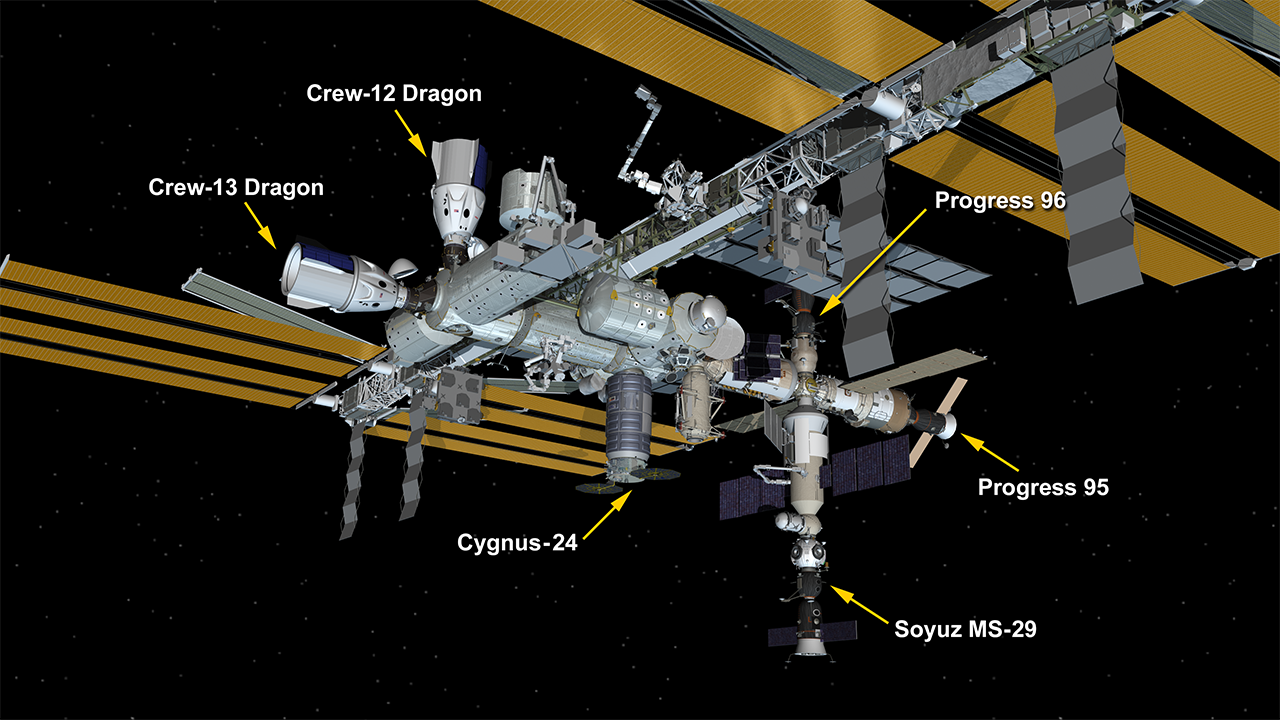
Canadian Space Agency astronaut Joshua Kutryk and three crewmates reached the International Space Station on October 1, 2026, aboard SpaceX’s Dragon capsule Grace. The eight-hour express flight set a speed record for American crewed spacecraft, joining an 11-person orbital expedition.
Canadian astronaut Joshua Kutryk is living and working on the International Space Station after arriving on October 1, 2026, following a flawless launch from Cape Canaveral, Florida. Blasting off aboard a SpaceX Falcon 9 rocket at 11:10 a.m. Eastern Daylight Time, Kutryk and his three crewmates completed an expedited journey that officers from NASA and SpaceX confirmed as the fastest ever for an American crewed spacecraft. The Dragon spacecraft, named Grace, docked at the forward-facing port of the station’s Harmony module just 7 hours and 55 minutes after liftoff.
SpaceX Crew-13 Sets Speed Record
The quick transit shattered previous American flight durations to the orbital laboratory. Julianna Scheiman, director of NASA science and Dragon programs at SpaceX, explained during a post-launch press conference that orbital mechanics and the specific position of the station aligned to make the short trip possible. We got lucky this time,
Scheiman said, adding that the trajectory approached the absolute physical limit for launch-to-docking speed.
Traveling alongside Kutryk were NASA astronauts Jessica Watkins, who commanded the mission, and pilot Luke Delaney, alongside Roscosmos cosmonaut Sergey Teteryatnikov. The quartet’s spacecraft carried a zero-gravity indicator named Lucky
, a toy crafted by Watkins’s sister-in-law to honor the legacy of Apollo 13 atop whose historical resilience the mission patch’s design was modeled.
Col. Kutryk, a colonel in the Royal Canadian Air Force hailing from Fort Saskatchewan, Alberta, was joined on the flight by Delaney and Teteryatnikov. Before their ascent, the four crew members rode to Space Launch Complex 40 in black Tesla vehicles sporting license plates bearing the text Lucky 13
.
Technicians Replace Fuel Valve Before Launch
Rather than standing the mission down for an extended overhaul, SpaceX technicians performed high-risk maintenance inside Area 59, the fueling and hazardous processing facility at Cape Canaveral Space Force Station.
Kathy Gerstenmaier and other officials detailed how technicians obtained special permission from the Space Force’s Eastern Range to conduct hot work with nitrogen tetroxide oxidizer while the vehicle’s tanks remained full. Engineers physically cut the leaking valve out of the welded line and welded a replacement into place.
Dana Weigel, NASA’s program manager for the International Space Station, expressed satisfaction with the outcome, noting that post-repair inspections showed no leaks during final countdown checks. As Gerstenmaier noted after inspecting the interior of the clean room, the site presented a tight working environment with restricted space on the platform above the vehicle.

Expedition 75 Welcomes New Arrivals
Following hatch opening at 9:19 p.m. Eastern Daylight Time, the four arrivals joined the Expedition 75 crew already aboard the orbiting laboratory, bringing the total station population to 11 people. The expanded team includes NASA astronauts Anil Menon, Jessica Meir, and Jack Hathaway, European Space Agency astronaut Sophie Adenot, and Roscosmos cosmonauts Pyotr Dubrov, Anna Kikina, and Andrey Fedyaev. Kutryk described his initial reactions upon entering orbit, telling observers that the reality of space travel felt surreal while adjusting to weightlessness.
“I’m in space. I don’t really believe it yet. It does feel weird, though. It’s good to be here.”
Joshua Kutryk, Canadian Space Agency astronaut
During their scheduled six months on the station, the crew will conduct station maintenance and scientific research. Kutryk is set to test a new physical-training protocol while participating in Canadian experiments examining mental health, bone density, cardiorespiratory function, orientation perception, anemia, and ocular rigidity.
The newly arrived quartet will eventually replace the members of SpaceX’s Crew-12 mission—comprising Meir, Hathaway, Adenot, and Fedyaev—who are scheduled to depart the orbital outpost aboard their Dragon capsule as early as Monday, October 5.
Canada Plans Future Space Missions
Industry Minister Mélanie Joly attended the NASA press site after liftoff to emphasize the strategic importance of Canada’s contributions to international space cooperation. Pointing to Jeremy Hansen’s trip around the moon aboard Artemis II earlier in the year, Joly noted that the nation seeks an expanded presence in future deep-space exploration, specifically utilizing its robotics expertise established through the Canadarm program. Matthieu Caron, director of astronauts, life sciences and space medicine at the Canadian Space Agency, stated that the agency is actively working with NASA and other international partners to plan subsequent astronaut flights.
More on Joshua Kutryk
Keep reading

Saturn Reaches Opposition on October 4 for Brightest Viewing of Year
Saturn reaches opposition on Sunday, October 4, 2026, sitting at its closest point to Earth for the year...
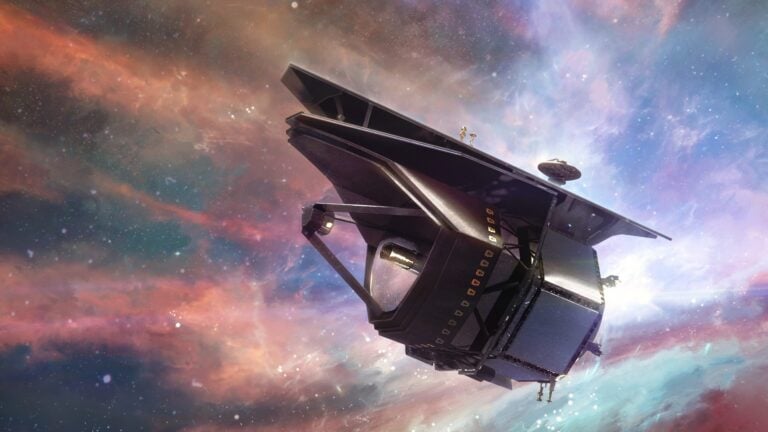
NASA Advances PRIMA Telescope to Phase B for Far-Infrared Research
NASA selected the PRobe far-Infrared Mission for Astrophysics, or PRIMA, to advance to Phase B development.

Milky Way Began as Thousands of Galaxies, New Simulations Suggest
Astronomers simulating the early universe revealed that the Milky Way neighborhood began as thousands of smaller galaxies, offering...
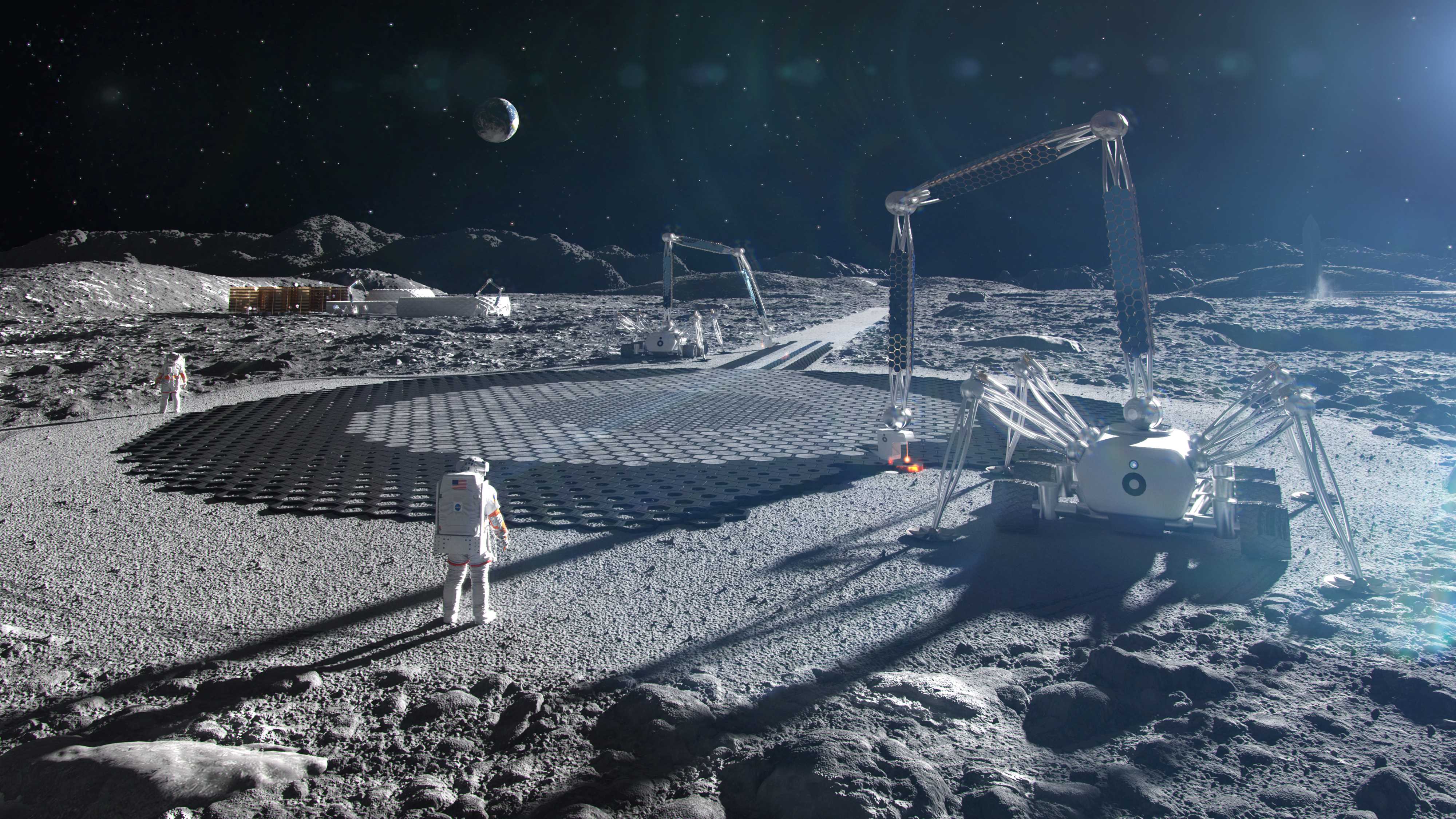
NASA Selects Three Investigations to Study Lunar Resources and Shelters
NASA chose three scientific investigations led by Ariel Deutsch of NASA’s Ames Research Center in California’s Silicon Valley...