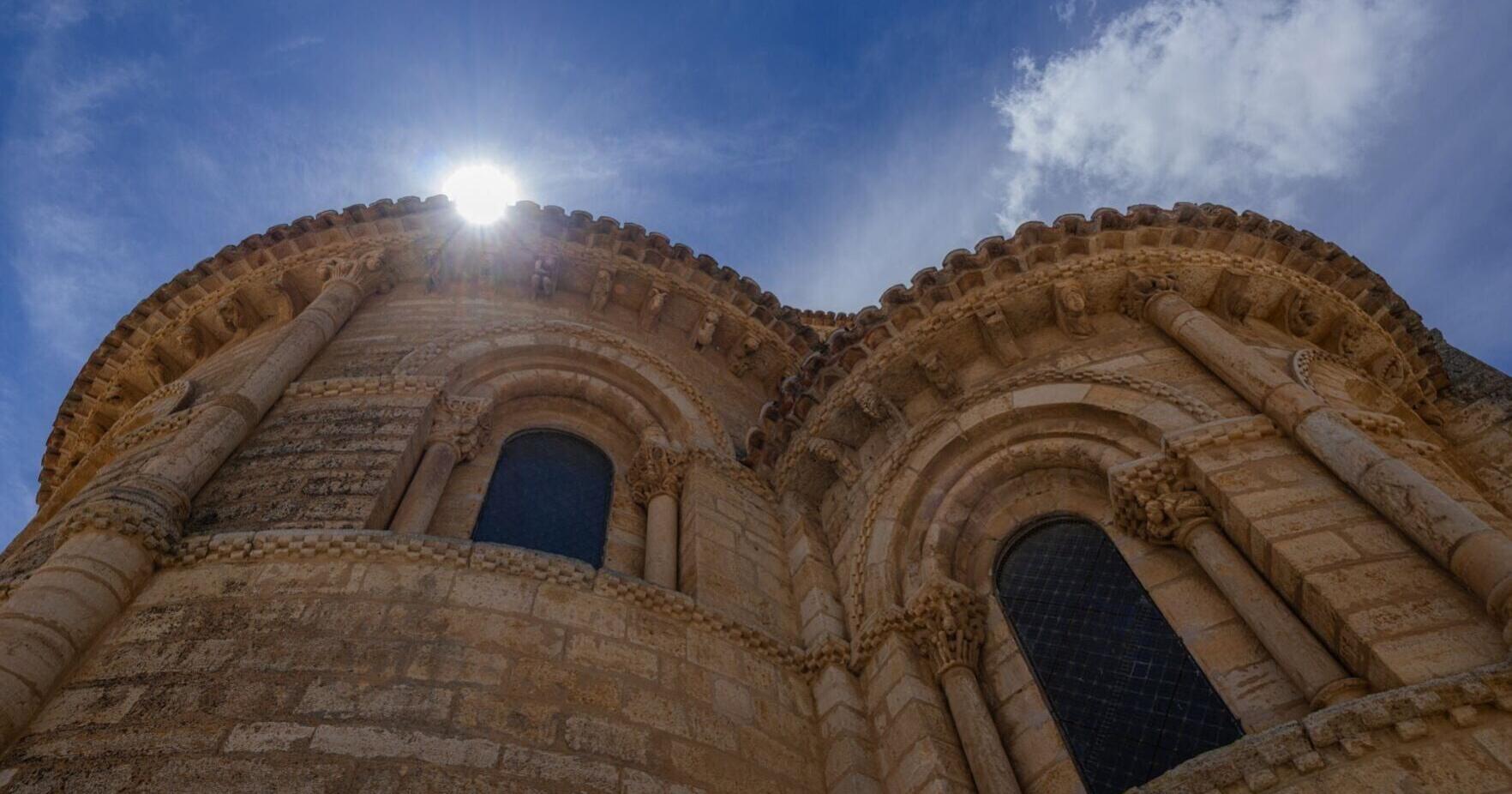
The Spanish central government has instructed the Castilla y León region to prepare for an influx of up to 2 million visitors for the solar eclipse on Aug. 12, 2026. As the celestial event approaches, authorities are working to establish official viewing locations capable of accommodating significant crowds and vehicles along the path of totality.
While popular destinations such as Ibiza and Valencia are expected to draw large numbers of tourists eager to experience nearly two minutes of darkness, the eclipse path also traverses rural areas known as “La España Vaciada,” or “Emptied Spain.” This region has faced notable population declines over recent decades as residents migrated to larger cities or abroad, yet officials and local organizers are bracing for a massive temporary surge in interest.
The Appeal of Castilla y León
The Castilla y León region offers a distinct experience for those traveling to witness the cosmic spectacle. Characterized by medieval architecture, stone villages, and historical sites, the region provides a unique backdrop for the eclipse. Its combination of dependably clear summertime skies and expansive, open horizons makes it a prime location for observers.
Travelers visiting the region can explore a landscape defined by wheat fields, castles, and historic cathedrals. The geography provides diverse settings for visitors, ranging from quiet rural enclaves to vibrant regional cities such as León and Burgos.
Exploring Soria: Landscapes and History
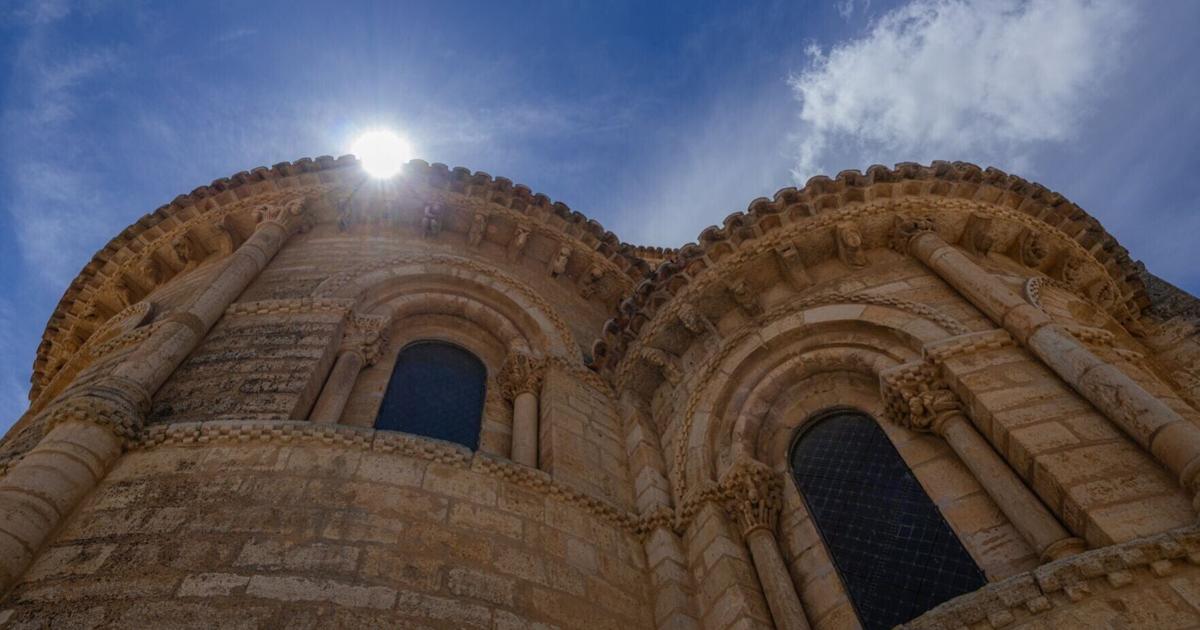
Soria, a province and city located northeast of Madrid, serves as a primary example of the areas within the Emptied Spain. Despite local challenges regarding the closure of essential services, the province is recognized for its natural beauty. Spanish poet Antonio Machado once described the area as a place “where it seems the stones dream.”
Visitors to Soria may explore:
- Río Lobos Canyon: A limestone valley featuring a network of hiking trails and the mysterious hermitage of San Bartolomé, which is associated with the Knights Templar.
- Urbión Peaks: A rugged area home to glacial lakes, including the Laguna Negra, which is set within granite walls and dense pine forests.
- Local Cuisine: Travelers often visit local bars to try “torreznos,” a specialty consisting of deep-fried chunks of pork belly. Notable spots include La Tablada in Navaleno and El Portalón in San Leonardo de Yagüe.
Burgos: A Medieval Way Station
Burgos offers a different perspective for eclipse watchers, particularly for those interested in the history of the Camino de Santiago. The city serves as a key stopover for pilgrims, who can be seen walking along the Paseo del Espolón, a tree-lined promenade by the Arlanzón River. The city is dominated by the 13th-century cathedral, known for its intricate French Gothic spires. For those planning their stay, the Hotel Landa remains a popular choice.
Practical Preparation for the Event
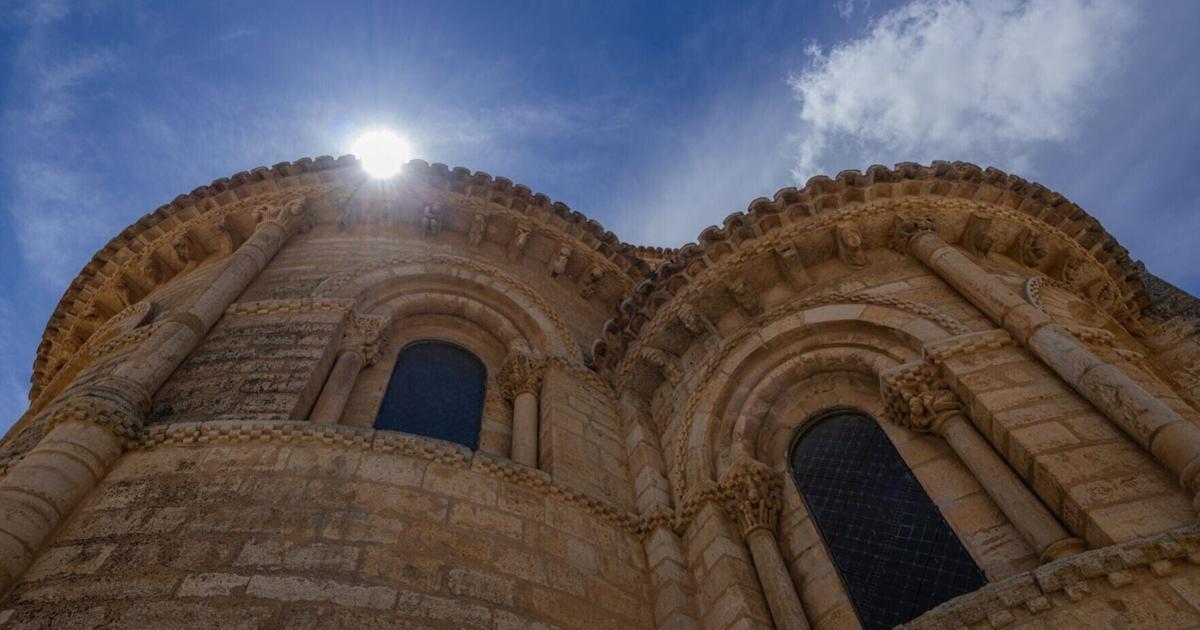
As the date of the eclipse nears, the primary challenge for regional authorities is infrastructure. The expected arrival of 2 million people poses significant logistical requirements for the rural provinces of Castilla y León. Because these areas are accustomed to lower population densities, the race to build official outlooks is intended to ensure that the influx of visitors can be managed safely while providing clear, unobstructed views of the eclipse.
Travelers are encouraged to look beyond the major tourist hubs to appreciate the cultural and natural heritage of these lesser-visited provinces, which offer a rare opportunity to view the eclipse against a backdrop of medieval history and preserved natural landscapes.
Find more reporting in our Science section.
Related reading
Researchers Measure Gravity Effect on Quantum Atoms in New Study
Researchers have directly measured gravity’s predicted effect on the quantum phase of freely falling rubidium atoms, observing Einstein’s...
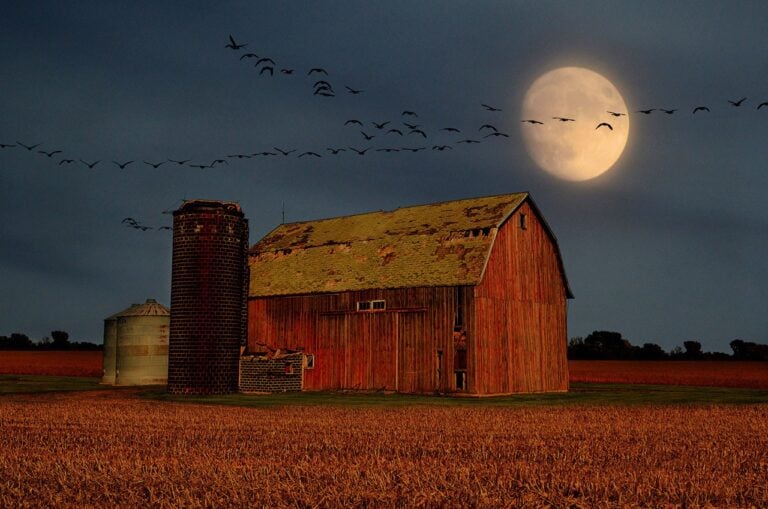
Corrected Headline: Harvest Moon Rises Near Saturn on September 26
The Harvest Moon of September 2026 will rise on September 26, appearing near Saturn and Neptune in the...
Solar Storm Disrupts GPS Signals
A November 2024 solar storm caused GPS signals to drift over 33 feet, disrupting self-driving cars and highlighting...
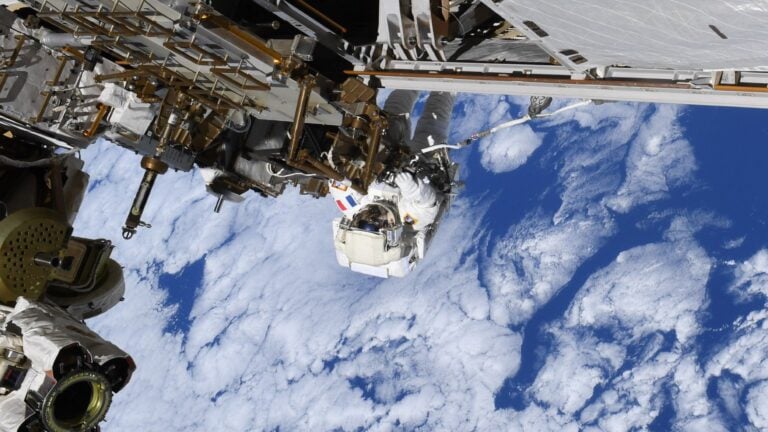
Astronauts Sophie Adenot and Anil Menon Install ISS Space-to-Ground Antenna
European Space Agency astronaut Sophie Adenot and NASA astronaut Anil Menon completed a six-hour and 30-minute spacewalk outside...