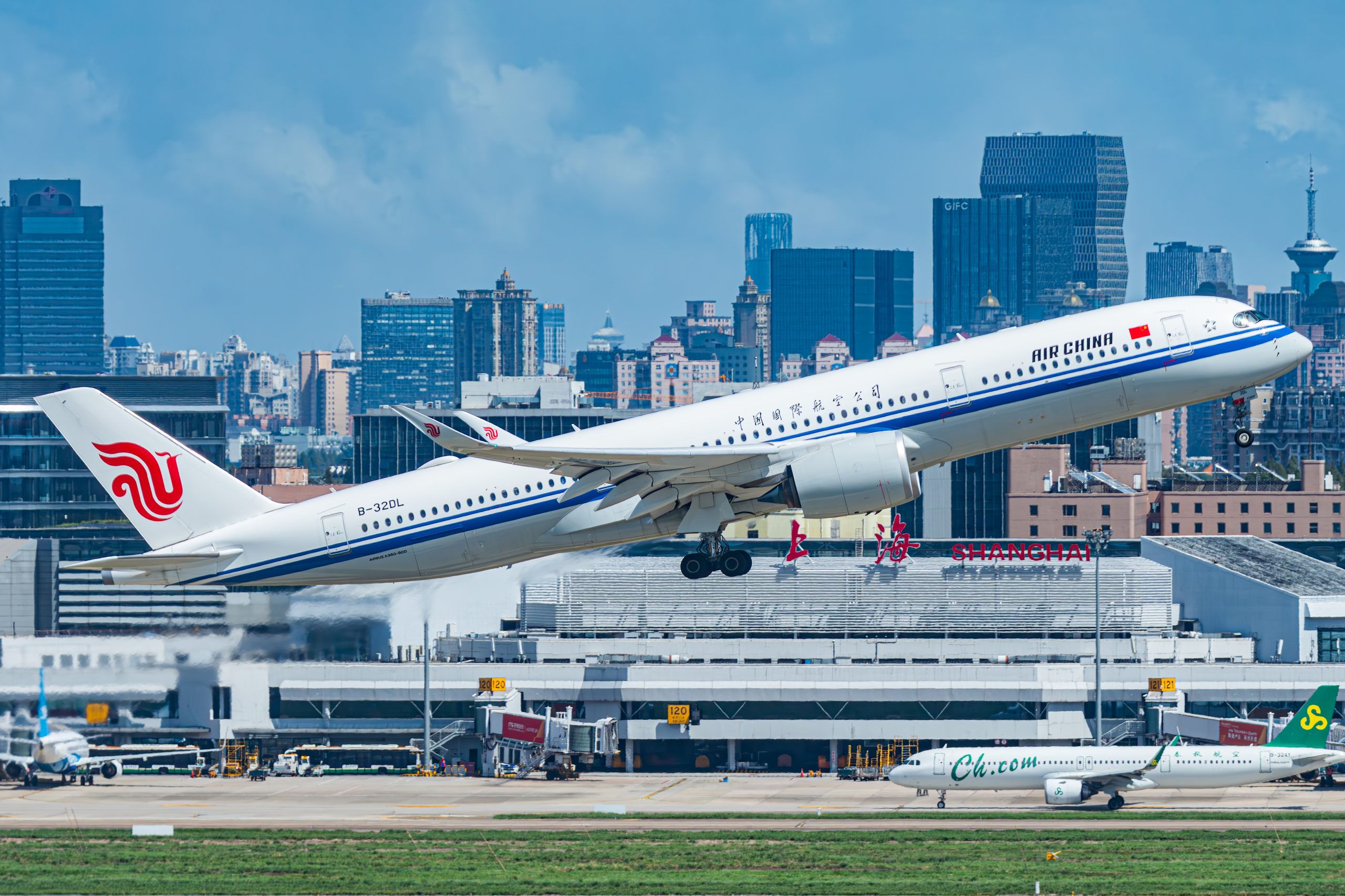
China’s three largest state-owned airlines—Air China, China Eastern Airlines, and China Southern Airlines—have issued warnings of combined first-half losses reaching $1.33 billion. Driven by surging jet fuel costs and weakening passenger demand, the financial downturn marks a sharp reversal from the profitable performance seen during the Lunar New Year season.
A Sharp Reversal in Airline Earnings
China’s aviation giants are facing a grim mid-year reality as they grapple with a volatile economic climate. On July 14, Air China, China Eastern Airlines, and China Southern Airlines successively released warnings indicating that their first-half performance has deteriorated significantly.

This news follows a first quarter where these same companies had collectively returned to profitability, buoyed by strong travel demand during the Lunar New Year. However, the momentum stalled as the second quarter took hold.
Fuel Costs and the Middle East Conflict
The primary culprit behind this financial slide is the rapid, sustained increase in jet fuel prices. The escalation of geopolitical tensions in the Middle East, which intensified in mid-March, triggered a surge in global oil prices that directly impacted carrier margins.
Unlike many international competitors, Chinese airlines have historically utilized minimal fuel hedging, leaving them exposed to price spikes.
Consumer Behavior and Weakening Demand
Beyond the cost of fuel, the airlines are struggling with a negative wealth effect
that is altering how Chinese consumers spend. As airlines raise ticket prices to cover their fuel bills, they inadvertently drive customers toward alternatives like high-speed rail for shorter domestic trips.
The industry data reflects this cooling interest. Aviation firm Flight Master projects that passenger traffic on domestic and international routes will decline by 3.6% year-on-year during the peak summer months of July and August. If realized, this would mark the first contraction in the peak season since 2022.
Divergence in the Market
While the “Big Three” state-owned carriers face significant headwinds, the broader market shows varying levels of resilience. According to a report by Flightglobal, HSBC analysts note a widening “divergence” between the earnings of mainland carriers and Hong Kong-based Cathay Pacific. Cathay remains better insulated due to its strength in cargo operations and robust premium long-haul demand.

| Carrier | Reported First-Half Loss Forecast (Approx.) |
|---|---|
| Air China | $310.4M – $384.3M |
| China Eastern | $266.0M – $354.7M |
| China Southern | $513.3M – $587.2M |
The situation for the mainland carriers is further complicated by international route competition.
Uncertainty for the Summer Peak
The third quarter is historically the most profitable period for Chinese airlines, but executives and analysts alike are tempering expectations. With fuel prices unlikely to reach pre-war normalization in the immediate future, industry experts warn that the pressure on margins will persist throughout the summer peak season.
As the airlines look toward their official interim reports, stakeholders are watching to see if the carriers can maintain capacity discipline to support load factors, or if the current market conditions will necessitate further cost-cutting measures beyond their existing fuel-price task forces.
=== END ARTICLE ===
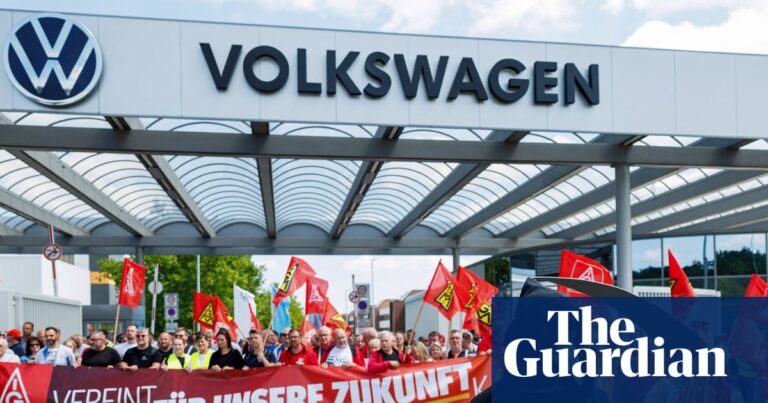
Volkswagen Supervisory Board Approves Plan to Cut 100,000 Jobs by 2030
The restructuring addresses fierce competition from Chinese automakers, falling profits, and heavy U.S. import tariffs.

South African Business Delegation Visits New Delhi to Address Trade Deficit
A South African business delegation is visiting New Delhi to explore opportunities for expanding economic ties with India...

Impala Platinum Reports Surging Annual Profit on Higher Metal Prices
Impala Platinum reported a net profit of 31.04 billion South African rand, equivalent to $1.93 billion, for the...

SEC Preps Proposal to Widen Retail Investor Access to Private Markets
The US Securities and Exchange Commission submitted a planned proposal to the White House Office of Management and...