A United Nations human rights expert concluded that United States military attacks on suspected drug boats in the Caribbean Sea and Pacific Ocean violate international law and may amount to crimes against humanity, following a series of strikes that have killed at least 223 people over the past year.
UN Report Targets 68 Strikes in International Waters
The legal assessment, published in a report by the UN special rapporteur on human rights and counterterrorism, Ben Saul, examines 68 U.S. military strikes carried out against vessels in international waters between September 2025 and August this year. According to the UN report detailing the operations, the attacks have resulted in at least 223 deaths.
A strike in the Caribbean Sea killed four people, bringing the total number of people who have been killed in boat strikes by the U.S. military to at least 231 in 69 strikes since the Trump administration began targeting those it calls narcoterrorists about one year ago.
The Trump administration has consistently defended the ongoing campaign as a necessary escalation against designated terrorist organisations and drug smugglers. President Donald Trump told Congress that the operations reflect a state of armed conflict with designated “terrorist” organisations, framing the strikes as self-defence to stem the flow of drugs into the U.S. and fatal overdoses claiming American lives.
Legal Justification Rejected Under International Law
The UN report explicitly rejects the self-defence justification put forward by Washington. The assessment argues that drug trafficking does not meet the legal threshold of an “armed attackthat would trigger a right to self-defence, noting that international law only permits self-defence against non-state actors sent by a state, but that thereappears to be no factual basisthat some of the groups designated asterrorists” by the U.S., such as Tren de Aragua, were acting as armed proxies of the Venezuelan state.
“The United States military attacks are… contrary to international law, violate the human right to life, and plausibly constitute crimes against humanity.”Ben Saul, UN special rapporteur on human rights and counterterrorism
The findings build on prior characterisations by international law experts, lawyers, and human rights groups who previously described the bombings as extrajudicial killings. Secretary of State Marco Rubio.
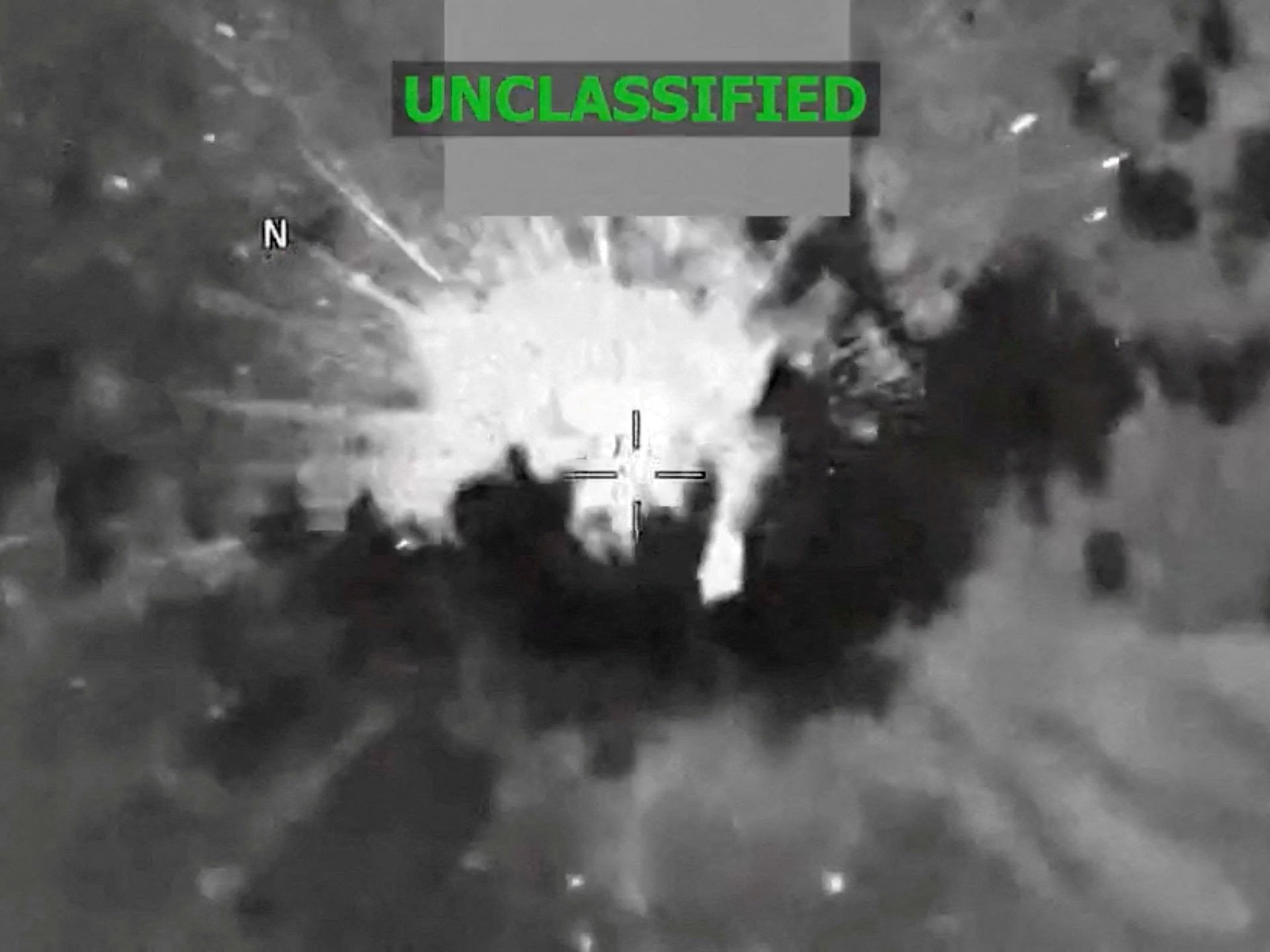
Military announcements accompanying the strikes often include brief statements and grainy video from U.S. Southern Command. In one recent operation, Southern Command reported that it had executed a lethal, kinetic strike on a go-fast vessel operating along established narco-trafficking routes in the Caribbean, stating that confirmed intelligence revealed the vessel’s active involvement in narco-trafficking and that the operation killed four narco-terrorists. As has become standard in announcements of such attacks, the U.S. did not identify the victims or provide any details about the alleged intelligence that supposedly confirmed their involvement in drug trafficking.
Tactical Strategy and Escalation Concerns
Legal scrutiny has also focused on the tactical execution of the campaign. Investigative details previously disclosed by sources speaking with CBS News revealed that in the very first attack, conducted on Sept. 2, 2025, the same boat was struck twice, or what has been described as a “double tap” or follow-on strike. Sources previously told CBS News that the follow-on strike killed two people who had survived the first strike and were waving overhead, with a total of 11 people killed by both strikes according to the U.S. military. Some lawmakers and legal experts have questioned the legality of the strikes and have said the so-called “double-tap” may have constituted a war crime.
UN Condemns US Strikes on Alleged Drug Smuggling Boats
Beyond maritime operations, the Trump administration is pursuing deals with allied nations to extend its offensive to land across multiple Latin American countries. Defense Secretary Pete Hegseth said during a visit to Panama last month that Colombia, Guatemala and Honduras had agreed to allow the U.S. to carry out joint military operations against criminal groups on their soil. Southern Command.