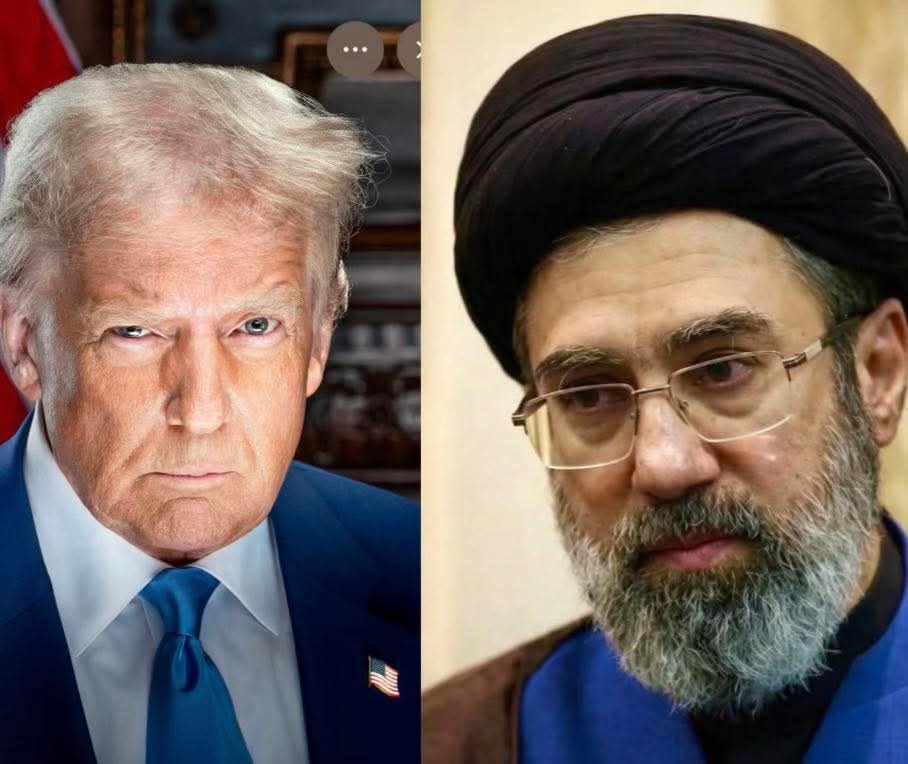
Egypt and Saudi Arabia Call for Urgent De-escalation
Egypt and Saudi Arabia have issued a joint call for an immediate de-escalation of hostilities following a fresh round of military exchanges between Iran and the United States. In a phone conversation between Egyptian Foreign Minister Badr Abdelatty and Saudi Foreign Minister Prince Faisal bin Farhan, the two officials emphasized the critical need to halt all actions that threaten regional stability.

The diplomatic push comes as tensions have intensified, with the United States conducting a series of strikes against Iran over the past week. The U.S. cited Iranian attacks on vessels navigating a U.S.-backed route through Omani waters as the justification for its military actions. In response to these strikes, Iran has targeted U.S. military bases located in neighbouring countries.
Protecting International Navigation and Global Energy Security
A primary concern for both Cairo and Riyadh is the safety of the Strait of Hormuz, a vital maritime corridor. During their discussions, the ministers stressed that safeguarding the freedom of navigation in the strait is essential and must be conducted in accordance with international law.
The ministers warned that any disruption to maritime traffic in this area would carry severe negative repercussions for the global economy and energy security. They reaffirmed the necessity of ensuring the unhindered movement of international shipping, rejecting any attempts to impose restrictions on these waterways.
Condemning Violations of State Sovereignty
In addition to the situation in the Strait of Hormuz, Egypt and Saudi Arabia have formally condemned a series of Iranian attacks targeting Gulf Arab states and Jordan. Specifically, the Egyptian Ministry of Foreign Affairs identified Kuwait, Bahrain, and Oman as targets of these repeated strikes, describing the actions as a blatant violation of state sovereignty.
The Egyptian government expressed full solidarity with the affected nations, rejecting practices that endanger regional populations or infrastructure. Saudi Foreign Minister Prince Faisal bin Farhan held separate consultations with counterparts from Qatar, Oman, Bahrain, Jordan, and Iraq to address these developments. Collectively, these nations have rejected any actions that undermine national sovereignty or threaten the security and stability of the region.
Diplomatic Efforts and the Role of the Regional Quartet
To address the widening conflict, the ministers are coordinating through established regional platforms. Egypt and Saudi Arabia highlighted the role of the “regional quartet”—a group comprising Egypt, Saudi Arabia, Türkiye, and Pakistan—as a key mechanism for consultation and containment of tensions.

These diplomatic efforts are complemented by bilateral engagements intended to foster regional stability. During a separate meeting in Muscat, the Saudi foreign minister and his Omani counterpart, Badr Albusaidi, reviewed regional developments, focusing on the importance of resolving disputes through dialogue and peaceful means. Furthermore, during talks with Iraqi officials, the importance of good neighbourliness and the principle of non-interference were reaffirmed, with Iraq committing to prevent its territory or airspace from being used as a launch point for attacks against Saudi Arabia or other regional states.
Summary of Regional Diplomatic Focus
| Key Objective | Primary Focus |
|---|---|
| Maritime Security | Protecting freedom of navigation in the Strait of Hormuz. |
| Regional Stability | Condemning attacks on sovereignty in Kuwait, Bahrain, Oman, and Jordan. |
| Conflict Resolution | Utilizing the regional quartet (Egypt, Saudi Arabia, Türkiye, Pakistan) for de-escalation. |
| Territorial Integrity | Enforcing principles of non-interference and good neighbourliness. |
Find more reporting in our World section.
Worth a look

Trump Announces Historic Deal to Control 65 Billion Barrels of Venezuelan Oil
US President Donald Trump announced that the United States has entered into an agreement with Venezuela to take...

Sudan and South Sudan Bishops Launch Three-Year Peace Plan
Catholic bishops across Sudan and South Sudan have launched a comprehensive three-year initiative to address interlocking humanitarian and...
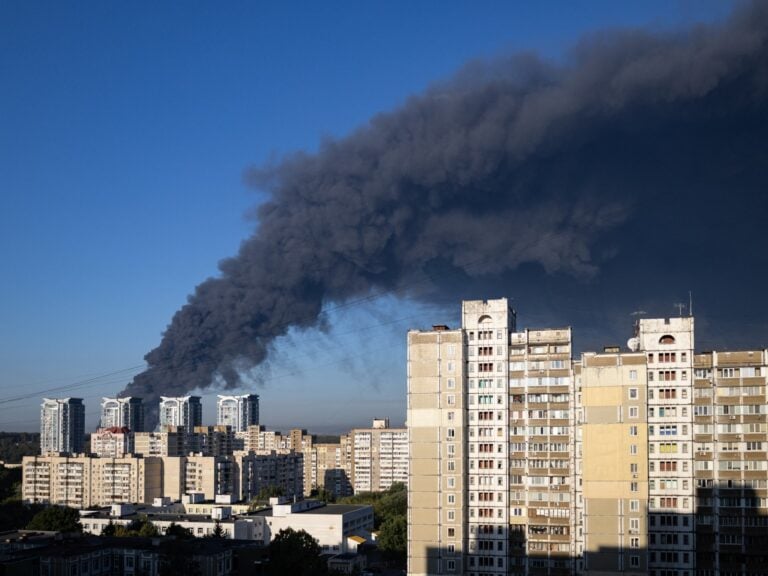
Russian Drone Strike Kills at Least 37 in Kyiv Region’s Bucha District
At least 37 people were killed after a Russian drone strike hit a munitions warehouse in the Bucha...

Starbucks Cold Drink Sales Now Account for Three Out of Four Total Orders
Starbucks is seeing a massive shift in customer habits as three out of four drink sales become cold...