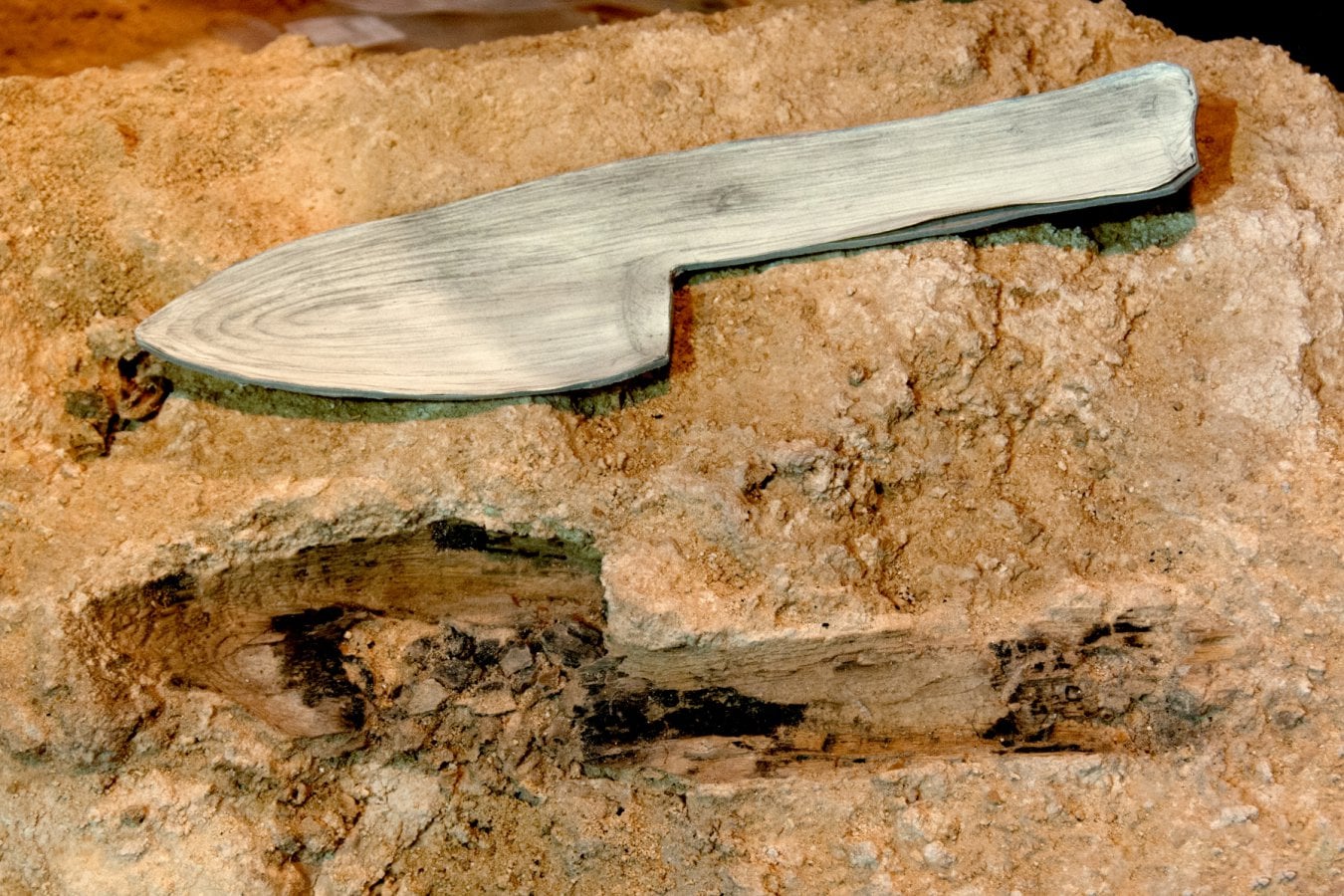
Archaeologists at the Abric Romaní rock shelter near Barcelona, Spain, have recovered nearly 600 wooden artifacts dating from 62,000 to 42,000 years ago. The discovery of tools, including spears, trays, and a wooden club, reveals that Neanderthals possessed sophisticated woodworking skills and used timber as a central component of their daily technology.
Evidence of Advanced Woodworking at Abric Romaní
For decades, the archaeological record of the Paleolithic era has been dominated by stone tools, leading to the assumption that Neanderthal technology was primarily lithic. The latest findings at Abric Romaní, a 300-square-meter rock shelter, challenge this bias. Periodic flooding played a key role, as slow-rising water covered pieces of wood, animal bone, and stone tools, shielding them from disturbance.
Maria Gema Chacón, a researcher at the institute, noted that the team was surprised by how complex Neanderthal woodworking could be and how well they understood the properties of wood. She highlighted that producing long, straight shafts and shaping them into pointed weapons required planning, skill, and careful selection of raw material. University of Reading archaeologist Annemieke Milks, who was not involved in the research, described the site as providing a rare window into the domestic lives of our closest relatives, noting that the evidence is pushing the boundaries of what can be determined from the archaeological record.
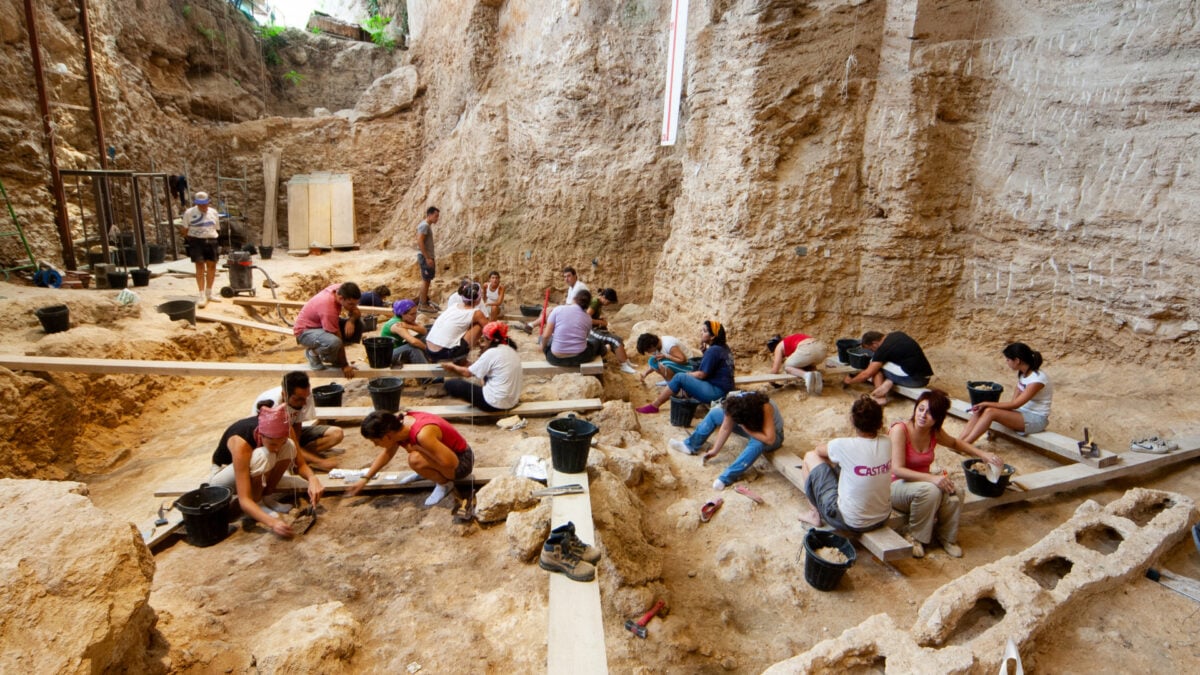
The Discovery of a Wooden Club
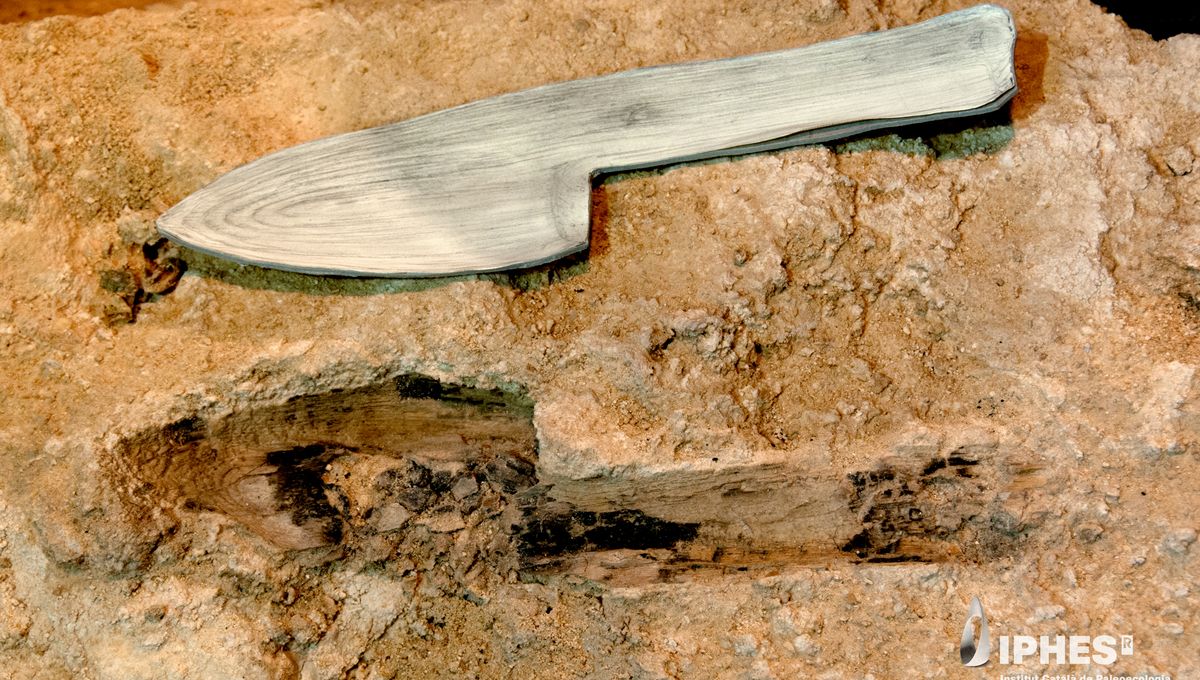
Among the most significant items is a club-like object. Palmira Saladié of the Catalan Institute of Human Palaeoecology and Social Evolution (IPHES-CERCA) notes that the wooden object is diverse in form, while study co-author Josep Vallverdú explains that the research highlights how Neanderthal technology relied on both wood and stone, noting that the archaeological record often provides a biased perspective because organic materials frequently disappear.
- Hunting spears: Two pointed shafts that demonstrate the deliberate shaping of long, straight wood.
- Containers: Trays fashioned from flexible bark, such as juniper or mulberry, potentially used for food transport, scooping, or collecting embers.
- Structural elements: Evidence of poles used to organize living spaces or create windbreaks.
- Tripods: Crossed wooden poles that may have served as equipment for food processing or cooking over hearths.
Neanderthals Used Wood for Hunting and Domestic Tasks
Uranium-series dates from the different layers show the site was occupied between 60,000 and 42,000 years ago, while core samples from lower, as-yet-unexcavated layers indicate people lived at the shelter as early as 110,000 years ago. Vallverdú stated that the site shows wood was a normal and important part of Neanderthals’ everyday life, used for hunting, domestic tasks, containers, and the organization of living spaces.
Naoki Morimoto at Kyoto University in Japan described the wooden objects as “remarkable,” adding that preserved organic materials are rare and reveal a hidden aspect of Neanderthals. According to the study published in Science Advances, the findings offer a fuller picture of Neanderthal technology. Now it looks like their behaviors were very close to those of Homo sapiens,
Chacón said. The researchers noted that while stone survives, wood usually does not, meaning there is an enormous part of the Neanderthal material world that researchers almost never get to see.
Challenges in Analyzing Decayed Materials
The researchers’ first task was to determine exactly which pieces were used or made by Neanderthals, finding that only 13 of the nearly 600 remains and imprints met the criteria for tools. Most of the remainder consist of trunks, branches, twigs, roots, and firewood accumulations. In 1995, researchers began noticing empty spaces where wood had left impressions in the surrounding sand before decaying. The team then poured resin into these hollow spaces to create casts. As excavations continue, the findings at Abric Romaní show that Neanderthals were versatile and adaptable, qualities researchers suggest are also found in modern humans.
Worth a look

North American Stargazers to See Saturn, Meteor Showers, and Moon in October 2026
October 2026 brings North American stargazers an unusually favorable combination of clear skies, comfortable autumn temperatures, and a...

Researchers Use Reef Soundscapes to Boost Coral Larvae Settlement
Marine researchers are deploying underwater speakers to play recordings of healthy reefs to coral larvae across the Caribbean...
Vitamin D2 Supplements Lower Natural Vitamin D3 Levels, Study Finds
While both supplement forms increase overall vitamin D status, researchers caution that D3 is more effective at raising...

NASA Selects GIMLI Project to Search Marius Lunar Pit for Potential Base Sites
NASA has selected a Planetary Science Institute team to lead the Geophysical Instruments for Marius Lunar Pit Investigation,...