
Apple’s first foldable smartphone, the iPhone Duo, saw its resale premiums in China collapse this week as supply began to stabilize. While the device launched to a frenzy of sell-outs and high markups on October 23, 2026, market data now shows prices approaching retail levels amid durability and software concerns.
Resale Market Shifts in Shenzhen and Online
The initial surge in demand for the iPhone Duo, which saw units trading for thousands of yuan above their retail price, has begun to wane. In Shenzhen’s Huaqiangbei electronics market, a vendor identified as Shen cut the premium on the popular 1TB black model by 2,800 yuan—approximately US$420—on Monday, October 26. This adjustment brought the asking price down to 24,300 yuan, marking a significant cooling from the highs seen shortly after the device hit shelves on October 23.
Similar trends are appearing on online secondary marketplaces. Listings on platforms like Idle Fish have seen markups shrink by 1,000 to 2,000 yuan, with some base models now trading only 300 yuan above their official retail price. This rapid decline contrasts sharply with the launch window, when the 1TB black model was trading on China’s Dewu platform for roughly 28,600 yuan—about 7,143 yuan, or nearly $1,000, above the manufacturer’s suggested price.
Manufacturing Yields and Initial Scarcity
The early resale frenzy was fueled by a combination of limited initial supply and high consumer interest. Apple opened preorders at $1,999 on October 16, with allocations selling out in minutes. By the October 23 retail launch, shipping estimates for many configurations had already slipped into January 2027. Some of this scarcity may be rooted in production challenges; industry reports from September suggested that final-assembly yields for the foldable device were only slightly above 60%.

Analysts note that while the sell-out appeared to be a massive demand signal, it functioned more as a measure of constrained supply. Sold out is a supply statement, not a demand count,
noted Ainvest, highlighting that the limited availability—rather than an overwhelming volume of orders—drove the early price hikes. As supply chains normalize and more units reach the market, the arbitrage opportunity for scalpers is evaporating.
Consumer Reception and Durability Concerns
The drop in market premiums also follows mixed feedback from early users. Reports of hinge fragility and software compatibility issues surfaced over the weekend, causing market momentum to stall. Ivan Lam, an analyst at Counterpoint Research, warned that sales could face further pressure as early adopters share their experiences with the hardware.
During the October 23 launch, Apple executives including John Ternus and Deirdre O’Brien oversaw demonstrations at stores, emphasizing new software features like Tips: What’s New in iOS 27 on iPhone.
Apple has maintained that it is working to increase availability, with
limited iPhone Duo available for walk-in customers, and we’re working hard to get this revolutionary new product into customers’ hands as quickly as possible.
Apple, official statement

Revenue Expectations for 2026 and Beyond
Counterpoint Research estimates that Apple will sell approximately 6 million units in 2026, which at a $1,999 starting price accounts for roughly $12 billion in revenue. While significant, this figure represents a small fraction of the company’s total earnings, which reached $109.4 billion in the June quarter alone.
Market watchers are now looking toward the company’s earnings call on November 2 for official guidance on how the foldable line is performing. The key indicator for the product’s long-term success will be whether foldable volume can scale toward tens of millions of units, potentially lifting the iPhone’s overall average selling price. Until then, the collapse of the scalper market is viewed by analysts not as a sign of failure, but as a return to a functioning, supply-driven retail environment.
Worth a look

Tohoku University and University of Tokyo Launch Curated Hydrogen Database
Published online on September 4, 2026, in Applied Physics A, researchers at Tohoku University and the University of...

r/opensource Bans AI Projects, Restricts Solo Developers
Reddit’s massive r/opensource developer community enacted an immediate ban on all artificial intelligence projects on October 24, 2026.
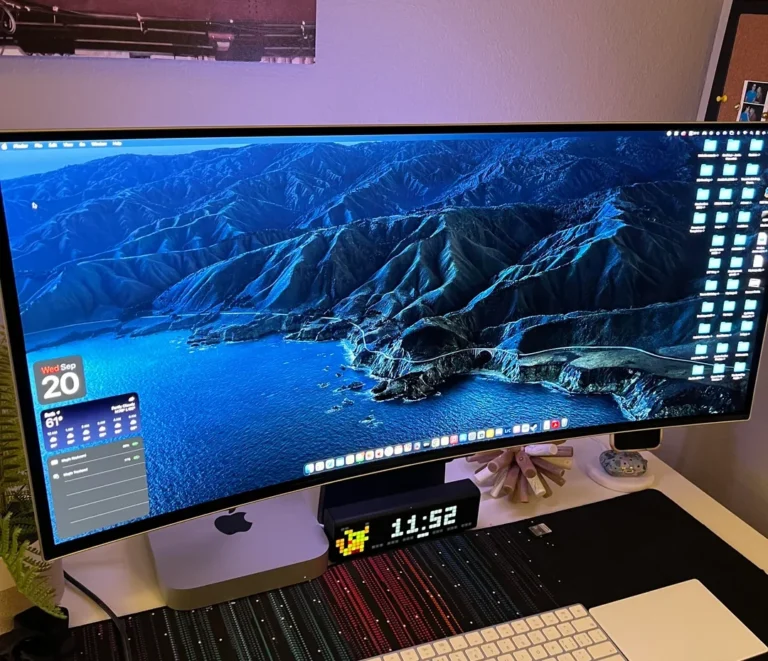
Mobile Pixels Crowdfunds $434,707 from 392 Backers for Prisma 40-inch Curved 5K Monitor
Mobile Pixels has introduced Prisma, a 40-inch curved 5K monitor featuring an integrated workspace hub designed for Apple...

Meta Shares Drop 17% Amid Cash Flow Concerns
Meta Platforms shares have slid 17% from their recent peak as heavy infrastructure spending and a first-ever negative...