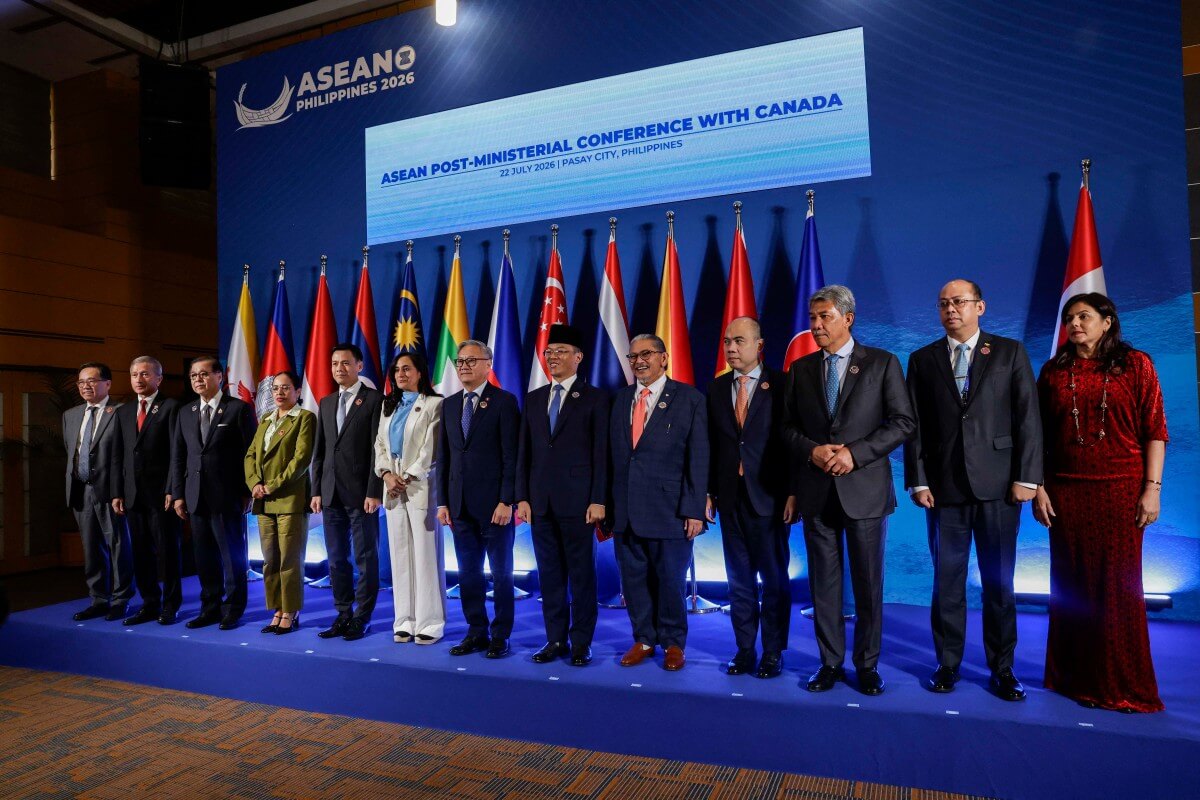
The Association of Southeast Asian Nations (ASEAN) officially designated Turkey as its 12th Dialogue Partner on Tuesday, July 21, 2026. The decision, finalized at the 59th ASEAN Foreign Ministers’ Meeting in Manila, upgrades Ankara’s institutional status and aims to deepen political, economic, and security cooperation between Turkey and the Southeast Asian bloc.
Ankara’s Institutional Upgrade
Turkey’s elevation to full Dialogue Partner status marks a significant milestone in its regional strategy, placing the nation in a category shared by only 11 other global powers, including the United States, Japan, China, and the United Kingdom.
The path to this partnership has been gradual. Turkey acceded to ASEAN’s Treaty of Amity and Cooperation (TAC) in 2010 and achieved Sectoral Dialogue Partner status in 2017. Ankara formally submitted its application for full partnership in 2024, receiving an agreement in principle from ASEAN in 2025. Foreign Minister Hakan Fidan noted on X that the designation reflects the success of Turkey’s multi-dimensional foreign policy under President Recep Tayyip Erdoğan, identifying the Asia-Pacific as a crucial eastern axis
of the country’s global diplomacy, as TRT World reported.
Regional Confidence and Vision 2045
Theresa Lazaro, who chaired the 59th ASEAN Foreign Ministers’ Meeting (AMM) at the Philippine International Convention Center, framed the decision as a vote of confidence in the bloc’s future. Addressing the plenary session on Tuesday, she emphasized that these partnerships are instrumental in achieving the goals of the ASEAN Community Vision 2045.

“This development demonstrates the continued confidence of our partners in ASEAN. We also view this as a positive step in realizing the aspirations laid down in the ASEAN Community Vision 2045.”
Ma. Theresa Lazaro, Philippine Foreign Secretary
While full Dialogue Partners engage in a broader range of high-level cooperation, Sectoral partners focus on specific fields. Germany received the status in recognition of its long-term support for the bloc, while Qatar was selected for its expanding collaboration in diplomacy, humanitarian assistance, and connectivity, Tempo noted.
Economic Ties and Middle East Stability
The expansion of ties comes as bilateral economic figures show steady growth. During recent high-level meetings, officials expressed optimism that these figures would continue to rise. In June, Malaysian Ambassador to Turkey Adlan Mohd Shaffieq noted that Malaysia and Turkey share a special relationship built upon mutual trust, respect, and a common aspiration for peace, prosperity, and development,
according to thestar.com.my.

Beyond economics, the ministers addressed regional security concerns. The AMM adopted a formal statement regarding the situation in the Middle East, specifically highlighting tensions between the United States and Iran. Secretary Lazaro explained that the statement, proposed by the Philippines, was designed to strengthen ASEAN’s collective position in maintaining peace and stability in the region.
Upcoming Diplomatic Milestones
The 59th AMM series continues throughout the week, serving as a platform for further engagement with external partners. A key upcoming event is the 50th anniversary of the Treaty of Amity and Cooperation (TAC) on July 24. On that date, Poland, Romania, Sweden, and Lithuania are expected to officially join the treaty, further broadening the bloc’s international engagement framework.
The week’s agenda also includes high-level discussions through the ASEAN Plus Three (APT), the ASEAN Regional Forum (ARF), and the East Asia Summit (EAS). These forums remain the primary mechanism for ASEAN to balance its regional development objectives with the shifting geopolitical interests of its new and existing partners.
Canada Seeks Unique EU Alliance Amid US Trade War
Canadian Prime Minister Mark Carney addressed reporters in Toronto on Sunday, outlining a new diplomatic and economic direction...
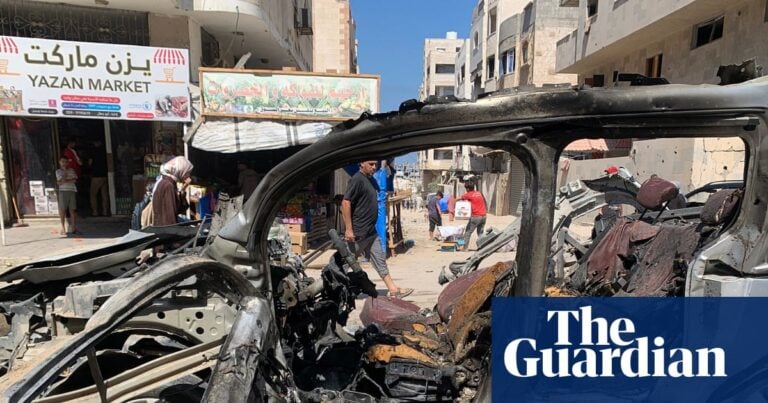
Israeli Attacks in Gaza Kill Pregnant Woman and 10 Others
A pregnant Palestinian woman was shot and killed by Israeli forces in southern Gaza as artillery shelling and...
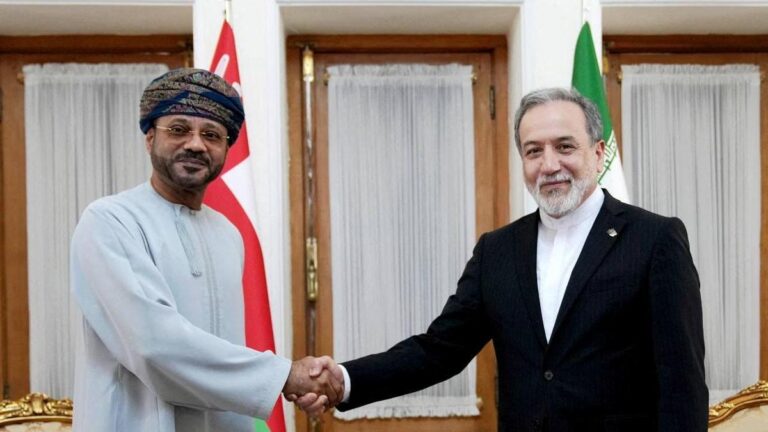
Iran and Gulf Nations Postpone Oman Talks Over Regional Consensus
The delay comes as oil prices fluctuate, U.S. economic sanctions expand, and military tensions in the region escalate...
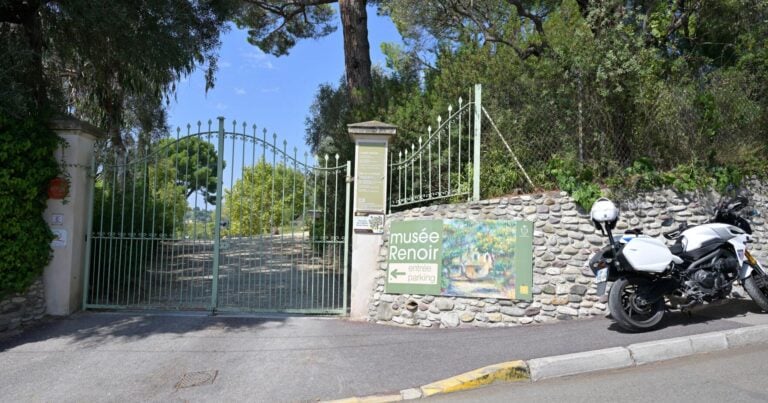
After Louvre Heist, Robberies Continue at French Museums
Following a dramatic daytime heist at the Louvre, a string of break-ins has struck museums and churches across...