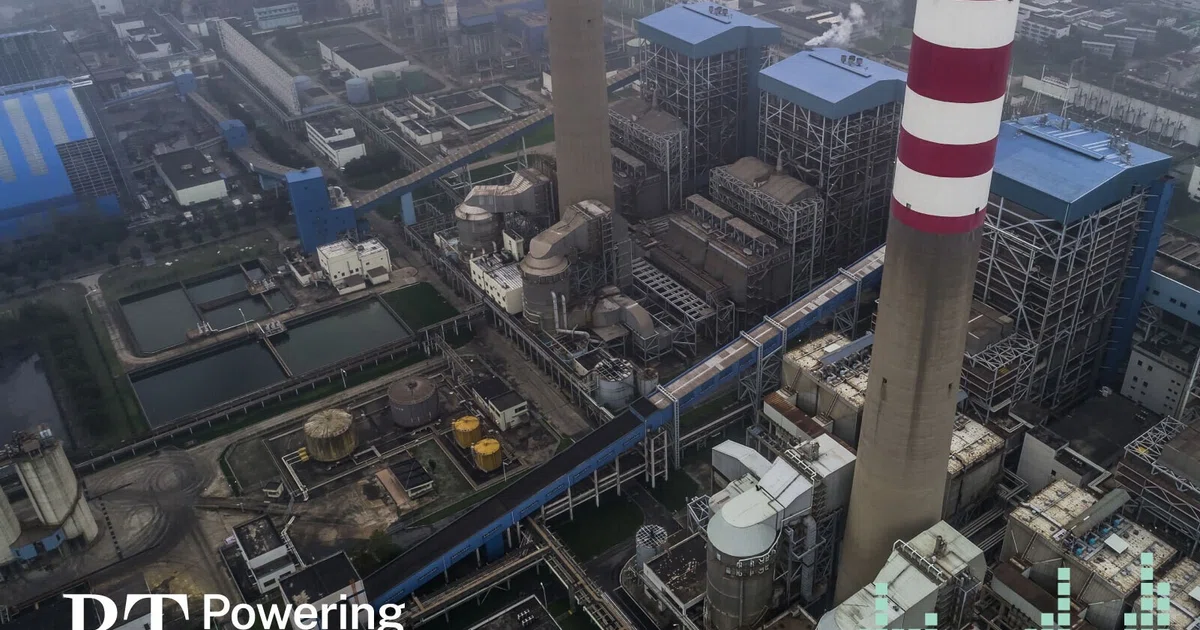
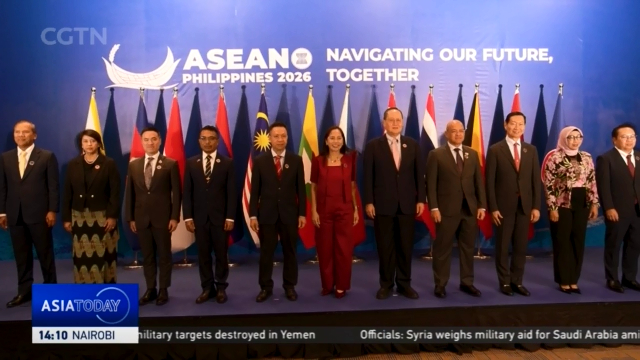
ASEAN energy ministers meeting in Manila are advancing the Association of Southeast Asian Nations’ Power Grid agreement amid rising fuel costs and transport protests. Officials and energy specialists warn that surging power demand from artificial intelligence and data centres could make cross-border renewable projects bankable if regulatory hurdles are cleared.
Southeast Asian energy ministers gathered in Manila for the 44th Asean Ministers on Energy Meeting, addressing regional fuel security, renewable energy targets, and cross-border electricity trade. The discussions, held from October 5 to 9, unfolded against a backdrop of transport protests in the Philippine capital.
“We are left with almost nothing. We pay for the boundary or lease of the jeepney and our food. There’s nothing left because of the high price of gas. They should remove the excise tax and the fare should increase.”
Edmundo Garcino, Jeepney Driver
While Philippine officials noted that domestic pump prices depend on global markets and relied on targeted fuel discounts and social welfare support, regional leaders at the ministerial meeting pushed for systemic reforms. ASEAN Secretary-General Kao Kim Hourn emphasized the urgency of regional cooperation following recent geopolitical supply disruptions.
“Recent geopolitical developments and supply disruptions have shown how quickly events beyond our region can affect energy markets supply chains and our daily lives of our people. These challenges has made preparedness and cooperation among ASEAN member states more important than ever.”
Kao Kim Hourn, ASEAN Secretary General
Power Grid Progress Encourages Regional Business Investment
At the center of the regional strategy is the enhanced Association of Southeast Asian Nations’ Power Grid agreement, an initiative conceived in 1997 under the ASEAN Vision 2020 blueprint to link member states’ electricity networks.
According to The Business Times Insights: Powering Asean’s Future 2026 poll released on October 12, over 70 per cent of 514 regional business leaders surveyed by BT said meaningful progress on the power grid would increase their willingness to invest and expand locally. Optimism ran highest in Indonesia at 84 per cent, followed by the Philippines and Malaysia at 70 per cent each.
Despite strong corporate sentiment, significant regulatory and transmission bottlenecks remain. Energy think tank Ember estimates that every year of delay on the regional power grid beyond 2035 will cost the region US$2.6 billion. Multilateral projects require intricate buy-in from third-party transit nations, as demonstrated by the Brunei-Indonesia-Malaysia-Philippines PIP.
Data Centre Demand Helps Fund Clean Energy Projects
Energy transition specialists speaking in Manila pointed out that surging electricity demand from artificial intelligence and data centres could provide the long-term purchase commitments required to make clean energy projects bankable. The International Energy Agency projects that Southeast Asian data centre electricity demand will more than double between 2024 and 2030, driven heavily by hubs in Singapore and southern Malaysia.
AI, new industries mean additional demand which should be supplied from renewable energy.
Ann Margret Francisco, Asia Pacific Director at the Global Wind Energy Council
Industry experts said policies must ensure clean supply arrives with adequate infrastructure and appropriate pricing. For instance, AirTrunk aims to match all electricity consumption at its sites with renewables by 2030, while Malaysia recently saw a 29.99 MWac solar project commence operations backed by a virtual power purchase agreement with ib vogt.
Ministerial Pledges on Coal, Methane, and Fossil Fuels
In their joint ministerial statement, ASEAN energy ministers supported regional power connectivity and renewable financing while maintaining a reliance on oil and gas for immediate energy security.
Reactions to the ministerial outcome were mixed among analysts.
“Keeping that momentum in itself is an achievement. It’s something that we shouldn’t take for granted.”
Monalisa Dimalanta, Former Chair and Chief Executive, Philippines’ Energy Regulatory Commission
As the Philippines prepares to hand over the ASEAN chairship to Singapore in 2027, organizations such as the Institute for Essential Services Reform emphasize that policy continuity, dedicated regional financing pools, and transparent regulations remain essential to bridging ambition and execution across Southeast Asia’s energy transition.
Worth a look

SG Enable Forms Advisory Committee to Standardize Disability Training
Singapore launched a new advisory committee on October 12, 2026, to standardize training and employment pathways for persons...

WEEE Data: Irish Consumers Fuel Fast-Tech Waste Surge With Disposable Gadgets
Almost half of people in Ireland discarded a low-cost fast-tech item within a month or after a single...

Brodie Kostecki Wins Bathurst 1000 After Anton De Pasquale Runs Out of Fuel
Brodie Kostecki and co-driver Todd Hazelwood claimed a dramatic victory at the 2026 Repco Bathurst 1000 on Sunday...
Pakistan Imposes Emergency and Governor’s Rule in Khyber Pakhtunkhwa
Pakistan declared a state of emergency in Khyber Pakhtunkhwa on Sunday, October 11, 2026, suspending the provincial government...