
Singapore launched a new advisory committee on October 12, 2026, to standardize training and employment pathways for persons with disabilities, accompanied by an upgraded national employment target of 40% by 2030, expanded wage subsidies, sector-specific training programs, and a dedicated support office at the Enabling Village.
National disability agency SG Enable established a 15-person advisory committee to review and align training programmes across providers, ensuring consistent standards for adult learners. The Advisory Committee on Continuing Education and Training for Persons with Disabilities was announced at the Inclusive Lifelong Learning Festival 2026, held at the Enabling Village in Redhill.
The committee aims to support persons with disabilities aged 18 and older who face uncertainty during the transition out of formal schooling, a period known locally as the post-18 cliff.
Nirmala Palaysamy, director of Enabling Academy, co-leads the committee alongside Ang Chiew Geok, group head of TOUCH Community Services’ special needs programme. Officials noted that training providers currently rely on disparate assessment methods and curricula.

The committee will ensure minimum standards for inclusive training.
Nirmala Palaysamy, director of Enabling Academy
All accredited courses are set to align with SG Enable’s Enabling Skills and Competencies Framework, which outlines independent living and workplace skills such as digital literacy, social interaction, and commuting. To ease financial barriers, SG Enable is extending its 95% Course Fee Grant to eligible mainstream training courses beyond its own network, allowing participants to upskill alongside peers without cost concerns. Training providers will also receive support through a capability development grant to equip their educators, improve learning environments, and adapt course materials for learners with disabilities. An adult educator capability development framework will be introduced to help educators supporting continuing education and training build skills in disability awareness and accessible teaching.
Advisory Committee Sets Standards for Training Pathways
The training reforms support Singapore’s official goal to reach a 40% employment rate for residents with disabilities by 2030, an increase from the current 34.7% baseline. The targets and underlying measures were detailed in a 67-page report released on October 4 by the Taskforce on Assurance for Families with Persons with Disabilities. The taskforce includes Rahayu Mahzam, Minister of State for Health; Eric Chua, Senior Parliamentary Secretary for Social and Family Development; Shawn Huang, Senior Parliamentary Secretary for Manpower; and Syed Harun Alhabsyi, Senior Parliamentary Secretary for Education.
Ministry of Manpower data from 2025 indicates that only around one in four employed residents with disabilities stayed with the same employer for at least a year, while just 2.2% remained with one employer for seven years or longer. To improve these outcomes, SG Enable’s Sector Train-and-Place programme—initially piloted in hospitality in 2025—is expanding into five additional industries: food and beverage, logistics, information and communications technology, healthcare, and human resources and administration.
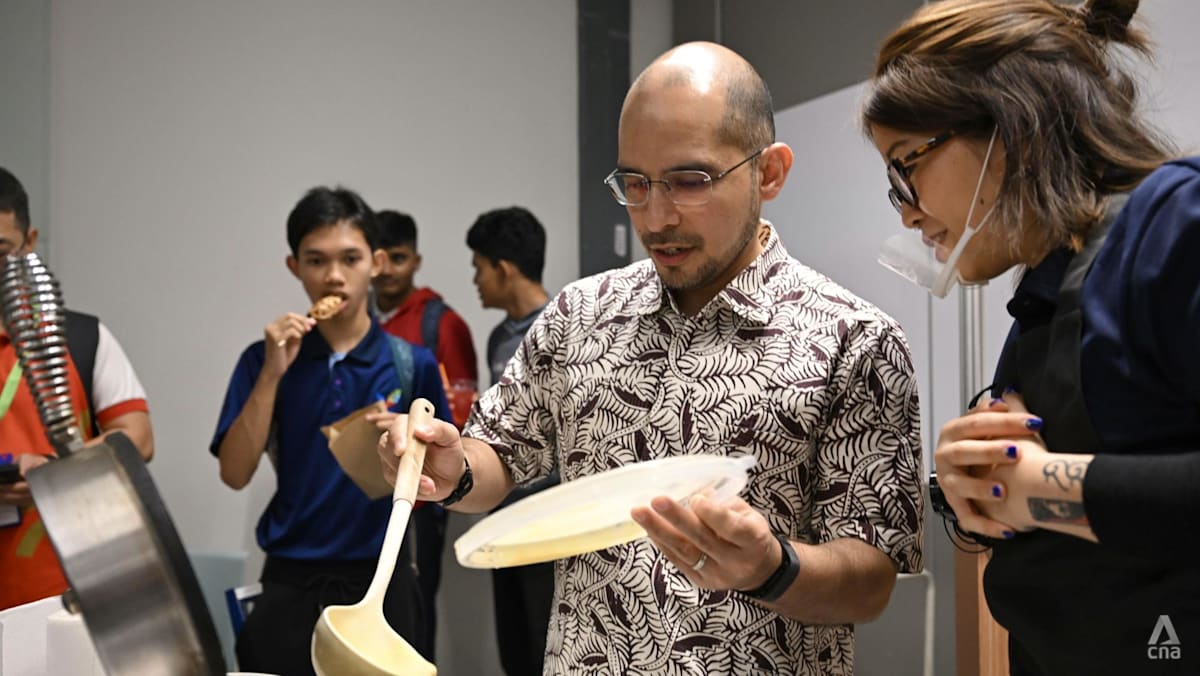
The Sector Train-and-Place initiative expects to train and support 800 workers between 2026 and 2030. Senior Parliamentary Secretary for Education Dr Syed Harun Alhabsyi reported that over three in four participants assessed as work-ready after completing the hospitality pilot successfully secured employment.
SG Enable Launches Support Office and Streamlined Grant
To assist hiring organizations, SG Enable will launch a dedicated Employment Support Office at the Enabling Village in Lengkok Bahru, scheduled for full operation in the second half of 2027. The office will provide long-term career support and help employers with workforce accommodations and role redesigns.
The government is consolidating three existing enterprise grants—the Open Door Programme Job Redesign Grant, the Open Door Programme Training Grant for Employers, and the Employer Development Grant—into a single Enabling Employment Grant. This streamlined fund will help businesses customize in-house training and deploy internal job coaches. A new Supported-Enterprise Enabling Grant will fund training officers, therapists, and psychologists for enterprises employing significant proportions of individuals with moderate support needs.
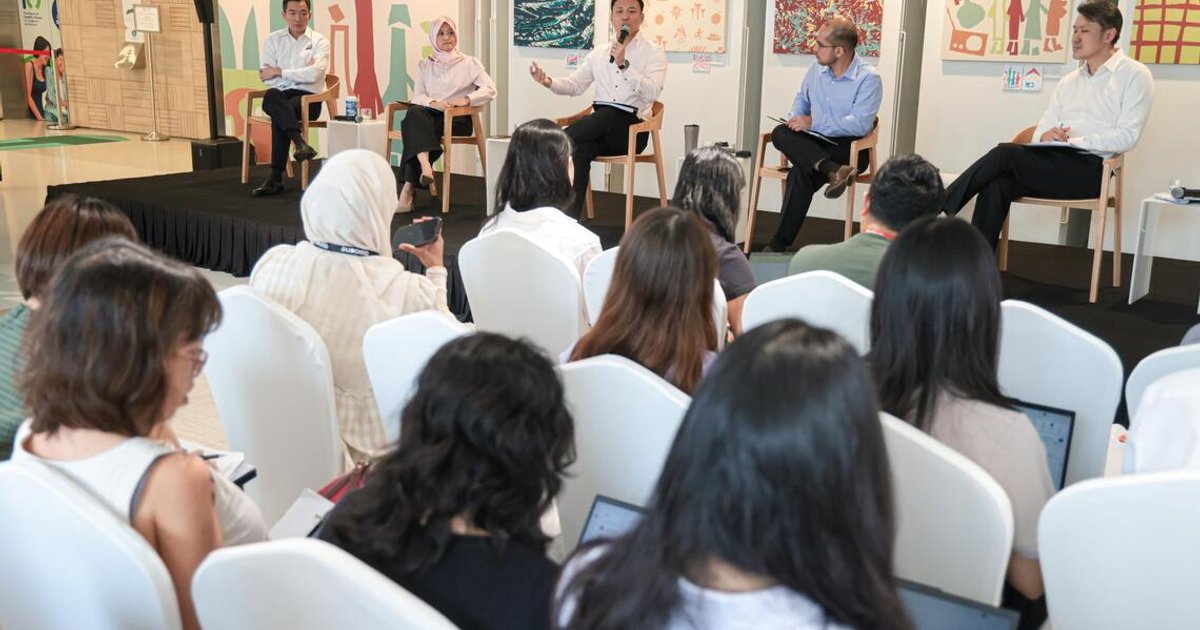
Wage support will increase through enhancements to the Enabling Employment Credit, which offsets wages for workers earning below S$4,000 monthly. The Ministry of Manpower will raise the income ceiling, increase the payout quantum, and extend the duration of temporary offsets, with specific figures to be released later in the year.
Special Education Schools Add Early Workplace Exposure
Education pathways are expanding upstream to begin during special education (SPED) schooling years. From 2027, the Ministry of Education will introduce targeted career guidance and work exposure activities, such as workplace learning journeys and job tasters, across SPED schools offering the national curriculum.
Between 2023 and 2025, students with disabilities accounted for approximately 2% of total annual enrolment across the Institute of Technical Education and polytechnics. Because an increasing number of SPED graduates are advancing to these post-secondary institutions, transition support programmes will be introduced to familiarize students with campus support officers and classrooms prior to their first term.
By strengthening support for inclusive training and creating clearer pathways from learning to employment, we are building a more connected ecosystem that enables persons with disabilities to continue learning, growing and contributing throughout their careers.
Ms Lee May Gee, CEO of SG Enable, via Channelnewsasia

WEEE Data: Irish Consumers Fuel Fast-Tech Waste Surge With Disposable Gadgets
Almost half of people in Ireland discarded a low-cost fast-tech item within a month or after a single...

Brodie Kostecki Wins Bathurst 1000 After Anton De Pasquale Runs Out of Fuel
Brodie Kostecki and co-driver Todd Hazelwood claimed a dramatic victory at the 2026 Repco Bathurst 1000 on Sunday...

Pakistan Imposes Emergency and Governor’s Rule in Khyber Pakhtunkhwa
Pakistan declared a state of emergency in Khyber Pakhtunkhwa on Sunday, October 11, 2026, suspending the provincial government...

Abiy Ahmed Sworn In as Prime Minister With Focus on Red Sea Access
Prime Minister Abiy Ahmed was sworn into a new five-year term on Monday, October 5, 2026, following his...