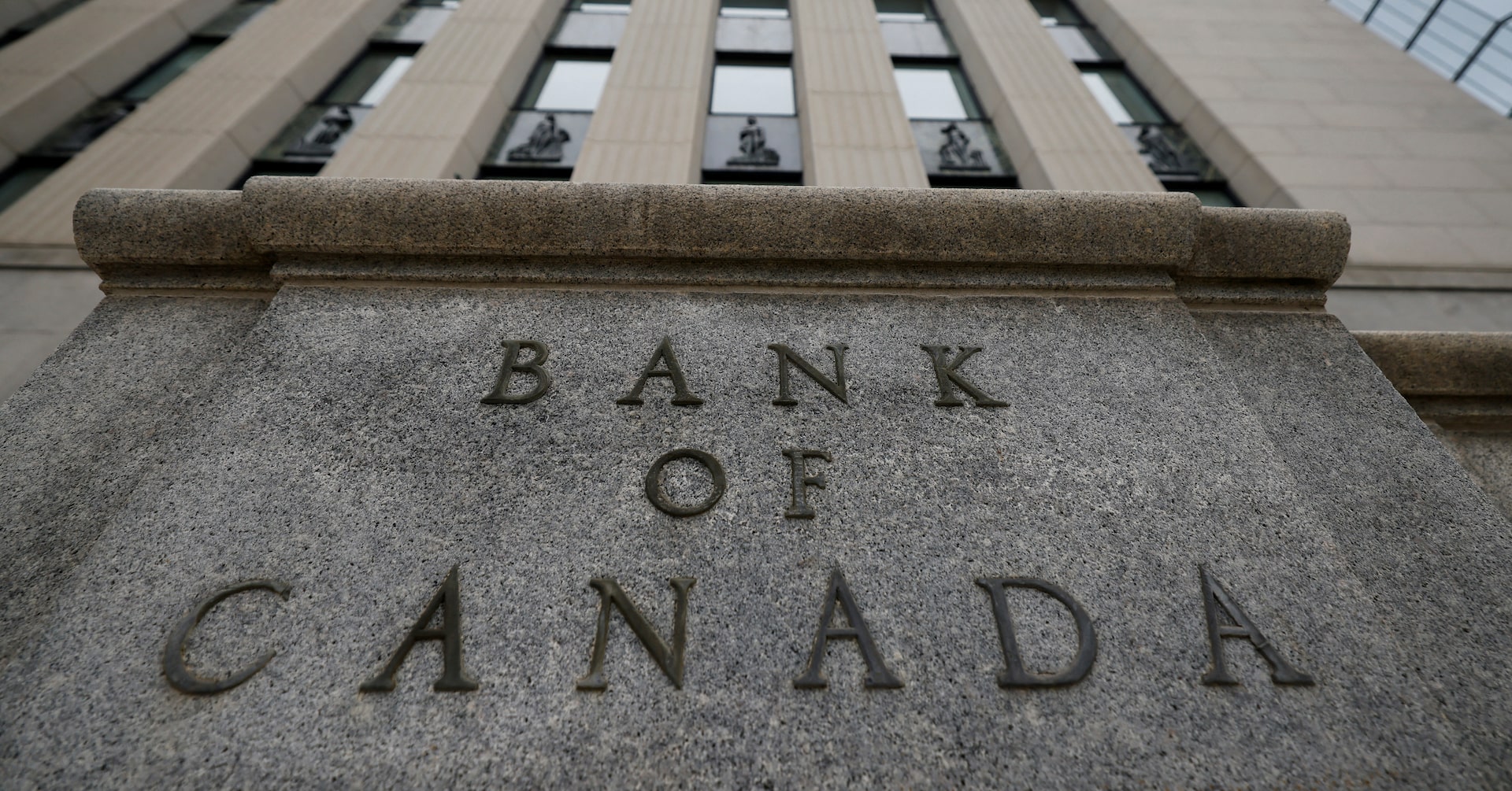
The Bank of Canada is widely expected to lift its benchmark interest rate by 25 basis points to 2.5% on Wednesday, marking its first policy tightening in almost a year amid mounting cost pressures driven by energy inflation and escalating North American trade tensions.
Financial markets have priced in a roughly 77% probability of the quarter-point increase ahead of the central bank’s scheduled announcement, according to reporting from Reuters. A rate hike would lift the overnight rate from 2.25%, where it has remained following a series of holds after a 25-basis-point cut in October 2025.
Energy Costs and Trade Fraying Drive Inflation Expectations Up
Annual inflation climbed to 3.1% in September, pushed higher by energy prices. West Texas Intermediate crude sat at about $90 a barrel in early September. Those elevated energy costs have rippled through transportation and production networks, prompting economists to warn of second-round effects on prices and wages across the domestic economy. Fuel oil used to heat homes in Atlantic Canada was up 57.8%, while gasoline prices jumped 27.8% year over year.

The deteriorating trade relationship between Ottawa and Washington has compounded those pricing pressures. Following the collapse of Canada-U.S. trade negotiations on August 21 and the subsequent introduction of Canadian counter-tariffs, business sentiment and long-term inflation expectations deteriorated. According to a quarterly Bank of Canada business outlook survey, roughly half of surveyed firms intend to pass those tariff and energy cost increases directly onto consumers.
Household long-term inflation expectations rose to 3.91% in the third-quarter survey by the Bank of Canada, landing above the central bank’s target range, Yahoo! Finance Canada reported. National Bank of Canada economists Taylor Schleich and Ethan Currie noted that Governor Tiff Macklem expressed clear discomfort with high crude prices as early as September, exhausting the central bank’s patience as energy inflation threatened to broaden.
A Pivotal Decision That Threatens Household Budgets and Borrowers
While central bankers focus on anchoring consumer price expectations, a higher policy rate carries immediate consequences for indebted households and a slowing labor market. Statistics Canada data shows that the national unemployment rate stands at 6.5%, with the economy having lost about 68,000 jobs in September following a decline of 42,000 in the previous month. Consumer debt loads across the country have reached a record $2.64-trillion, with TransUnion figures pointing to record consumer debt weighing on balance sheets.

Higher interest rates will immediately translate into costlier mortgages and steeper bank lending rates. Analysts note that chasing a 2% inflation target in the current geopolitical environment risks squeezing living standards further as a larger share of disposable income goes toward debt servicing rather than consumer spending. Food bank usage has seen mounting pressure, with Food Banks Canada reporting 2.35 million visits a month, and almost 20 percent of people utilizing food banks currently holding jobs.
The tariffs are also dampening business sentiment, weakening outlooks for exports and investment, and putting upward pressure on costs and prices.
Bank of Canada, via third-quarter survey releases
Markets Watch for Hawkish Guidance and Revised Inflation Forecasts
Alongside its policy announcement on Wednesday, the central bank will release its quarterly Monetary Policy Report. Economists widely anticipate sharp upward revisions to the bank’s inflation forecast for coming quarters, replacing previous projections as headline inflation sits at 3.1%. Bank of Canada Governor Tiff Macklem warned at International Monetary Fund meetings that the central bank was getting wary of sustained higher crude oil prices and the risks that their impact might broaden.
Foreign exchange and fixed-income traders will scrutinize the accompanying monetary policy guidance to determine whether policymakers intend to signal further tightening.
Keep reading

$80,000: Rare Brian Jones Letter to Charlie Watts Up for Auction
The 1962 Brian Jones Letter Seeking a Rolling Stones Drummer Hits the Auction Block A handwritten 1962 letter...

Russell Brand Denies Allegations as Trial Continues Following Reduced Charge
Russell Brand Testifies in London Trial as Prosecution Nears Close Russell Brand took center stage at London’s Southwark...

Claire Comstock-Gay notes mismatched energies for October 28, 2026
Mismatched Skies and Planetary Tensions Shape Daily Horoscopes for October 28, 2026 As Venus retrograde continues to challenge...

Tatum O’Neal Makes Rare Public Appearance With Cane After Near-Fatal Stroke
Tatum O’Neal Emerges in Los Angeles With Walking Cane Six Years After Near-Fatal Stroke Oscar-winning actress Tatum O’Neal...