
Basilan Governor Calls for Unity as BARMM Parliament Convenes
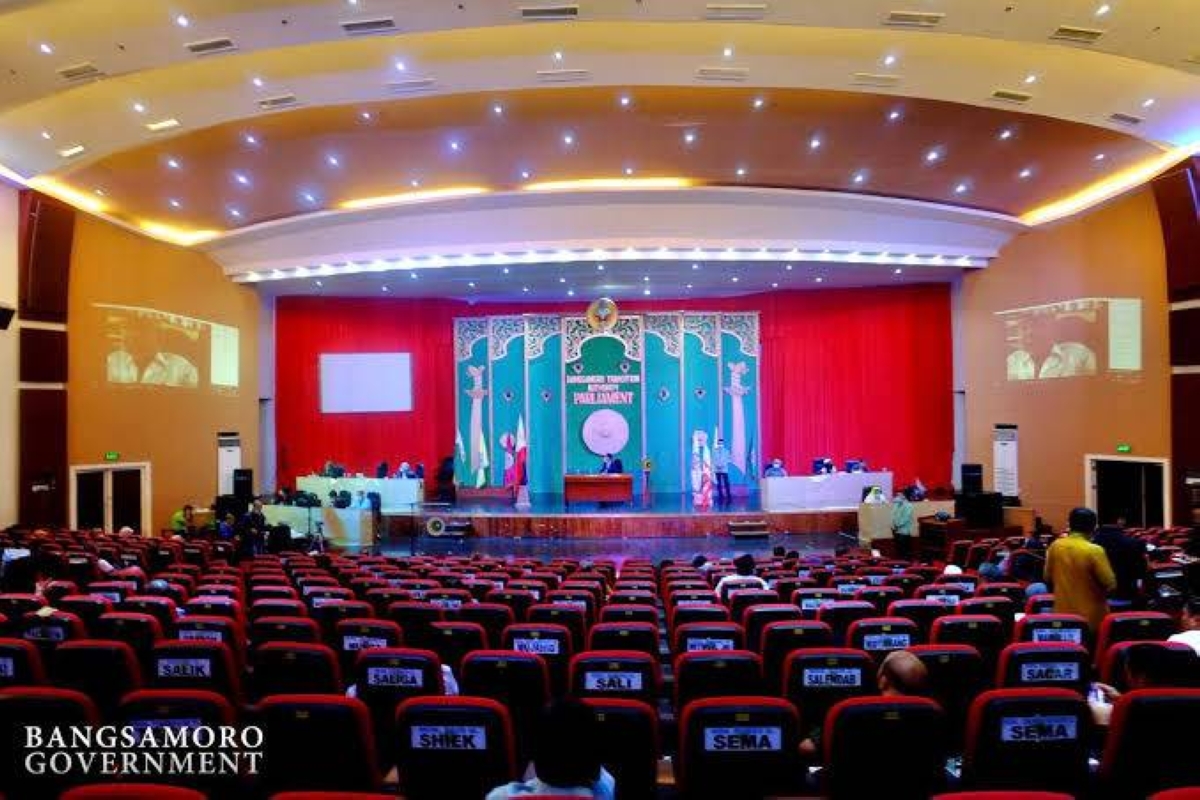
The political maneuvering that defined the region’s September elections has officially given way to the hard work of governance. Basilan Governor Mujiv Hataman called upon regional leaders to set aside political rifts and confront deep-seated socio-economic challenges, following the swearing-in of the inaugural regular Bangsamoro Parliament and the selection of Member of Parliament Abdulraof Macacua as chief minister.
Tapos na ang usapin kung sino ang mamumuno. Ang mas mahalagang tanong ngayon æ kung paano natin sama-samang paglingkuran ang Bangsamoro,
Hataman said in a statement, emphasizing that the question of leadership is settled and the focus must shift to collective service.
The inauguration on October 30 marks the formal end of the seven-year transition under the Bangsamoro Transition Authority. It establishes the region’s first regular parliamentary government, a milestone that was hailed during the opening session as a victory for the Bangsamoro people and the entire Filipino nation.
Navigating Leadership Shifts and Coalition Realities
The path to this regular parliament was anything but straightforward. The September 14 regional elections resulted in a hung parliament, forcing political parties into intense negotiations to form a governing majority. When the 80 newly elected members convened, the vote for chief minister pitted Macacua against Ahod Al Haj Murad
Ebrahim, the chairman of the Moro Islamic Liberation Front central committee. Macacua secured 51 votes to Murad’s 27.
The Hatamans eye two parliamentary seats of the region in Basilan with their scions running under the group of BARMM interim Chief Minister Abdulraof Macacua. #BARMMVote https://t.co/LDad84ux1o pic.twitter.com/ST9IwElHIz
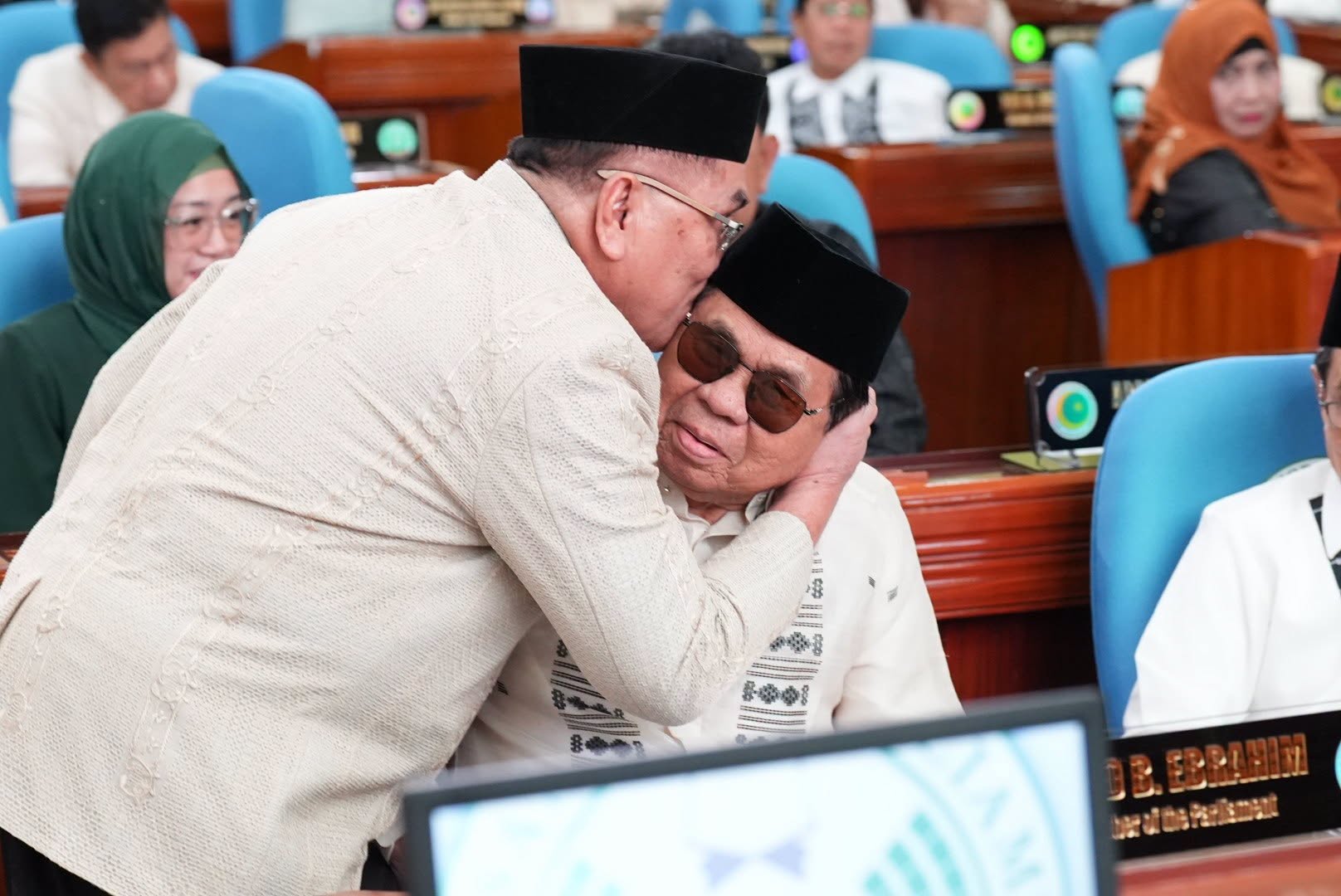
Despite a rocky political history that included Macacua’s suspension from his military post within the MILF and his subsequent run as chairman of the Bangsamoro Federalist Party, Macacua used his inaugural address to extend an olive branch to his predecessor. Standing before the parliament, he assured Murad that the moral governance agenda initiated under his leadership would remain central to the new administration.
The broader coalition behind the new government required heavy lifting from regional leaders. Five provincial governors—Tucao O. Mastura of Maguindanao del Norte, Ali O. Midtimbang of Maguindanao del Sur, Mamintal A. Adiong, Jr. of Lanao del Sur, Mujiv S. Hataman of Basilan, and Yshmael I. Sali of Tawi-Tawi—expressed support for Macacua to retain his seat as regional chief minister.
Tackling Urgent Socio-Economic Realities
With the leadership posts filled, Hataman pointed out that the ultimate measure of success will not be found in political victories, but in tangible improvements for ordinary families. The newly seated parliament, whose mandate runs until June 30, 2031, faces a daunting list of structural challenges.
Among the immediate crises demanding legislative attention are the anticipated agricultural impacts of El Niño, stubbornly high unemployment rates, and persistent gaps in basic and functional literacy. Compounding these issues are long-standing regional poverty and inadequate public service delivery.
At the end of the day, the success of this government will not be measured by who occupies positions of power, but by whether ordinary Bangsamoro families experience meaningful improvements in their daily lives, Hataman stated.
Leaders such as Lampa Pandi have emphasized that formulating comprehensive solutions for persistent issues within BARMM—specifically the prevalence of rido (clannish feuds) and the challenges of an unstable power supply across the autonomous territory—remains vital for regional security and stability.
Addressing these multi-layered challenges requires broad cooperation rather than sole reliance on the regional executive. Hataman called for a multi-sectoral approach involving local government units from the provincial down to the barangay level, civil society organizations, and the private sector, anchored firmly in transparency and fiscal accountability.
Related reading

Changi Airport Upgrades iFerret AI to Detect 4 cm Runway Debris
Changi Airport is upgrading its iFerret runway surveillance network with advanced artificial intelligence to detect foreign objects as...
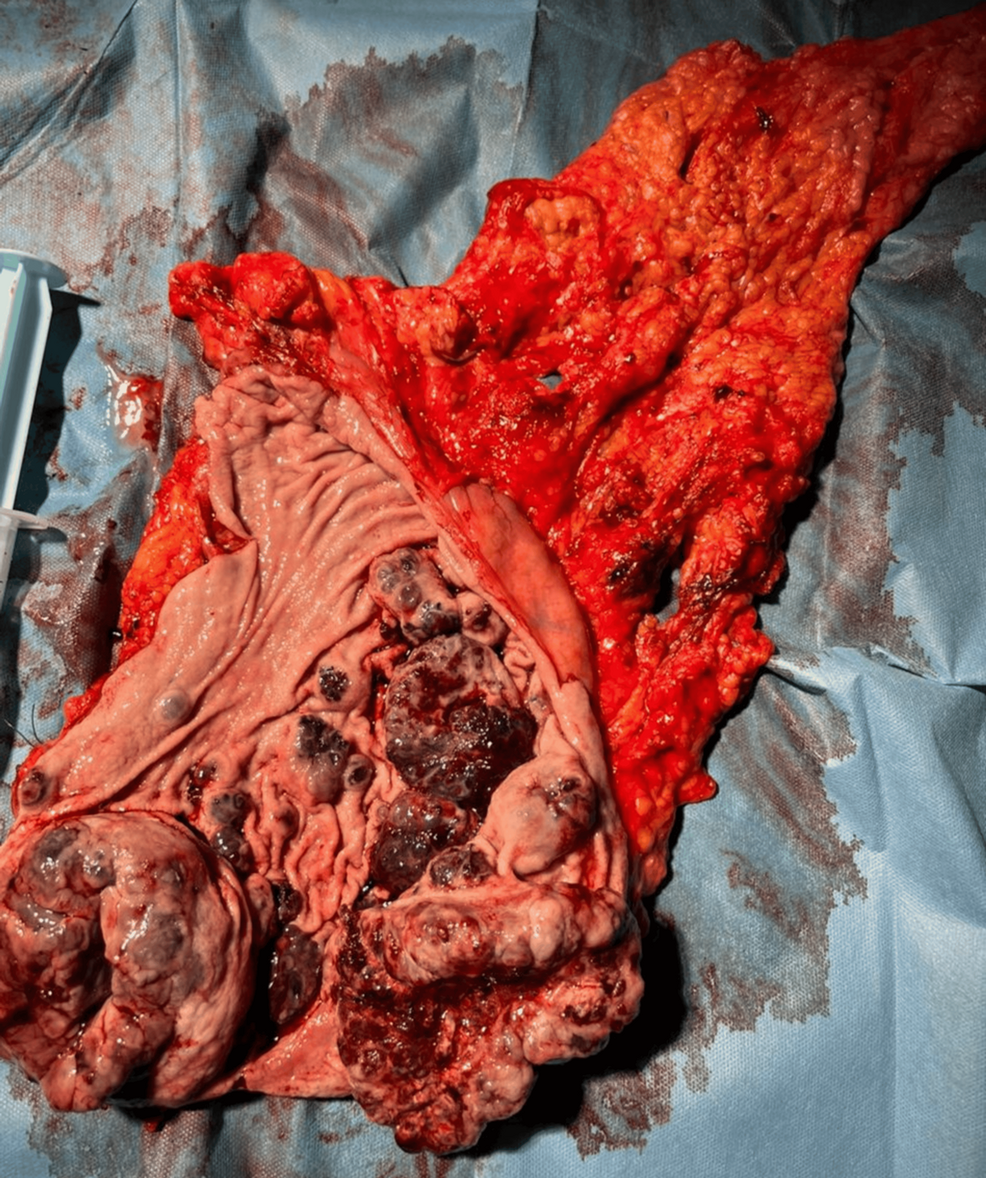
Primary Gastric Melanoma: A Rare Diagnostic Challenge With SOX10-Negative Phenotype
A 73-year-old man walked into an emergency room exhibiting severe gastrointestinal bleeding, yielding a remarkably rare medical case...

Irish troops to leave Lebanon as UN mission concludes in December
As 2026 draws to a close, Irish troops preparing to leave southern Lebanon face a starkly different operational...
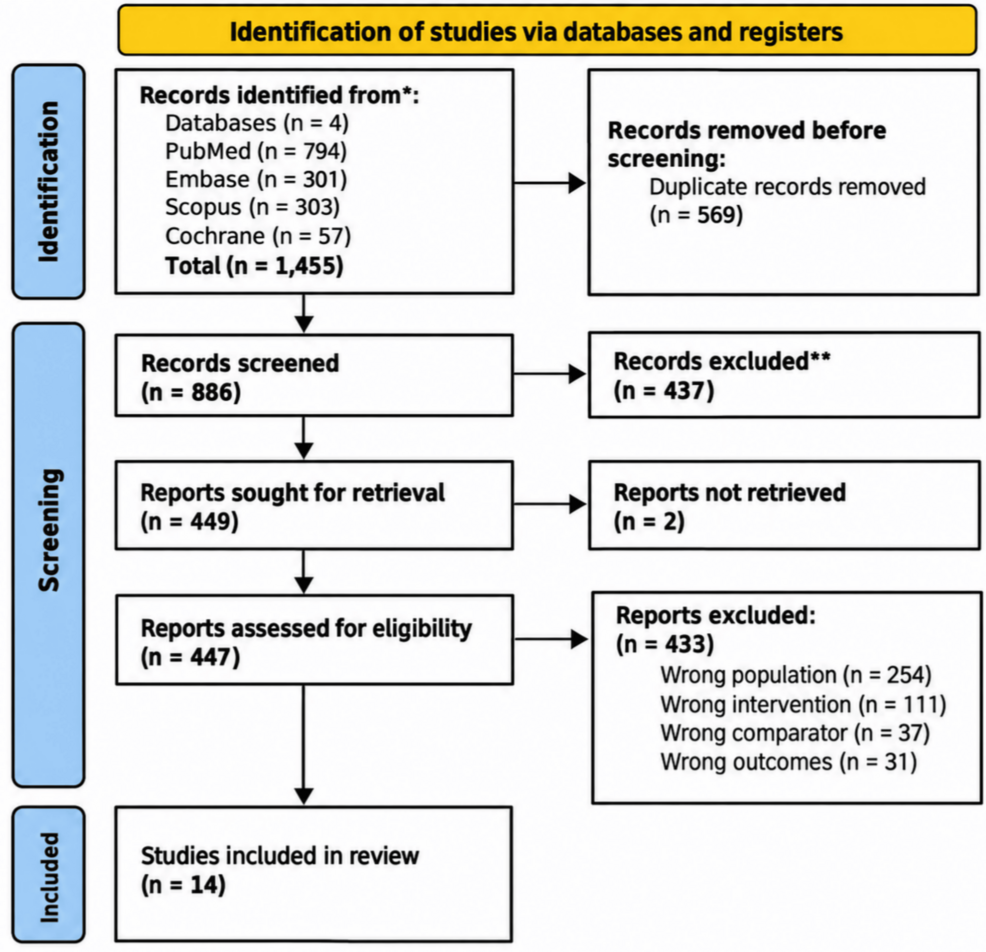
Efficacy and Perioperative Outcomes of Acute Normovolemic Hemodilution in Adult Cardiac Surgery: A Systematic Review and Meta-Analysis
Blood Conservation Strategy Cuts Red Cell Transfusions in Adult Cardiac Surgery Acute normovolemic hemodilution reduces the likelihood of...