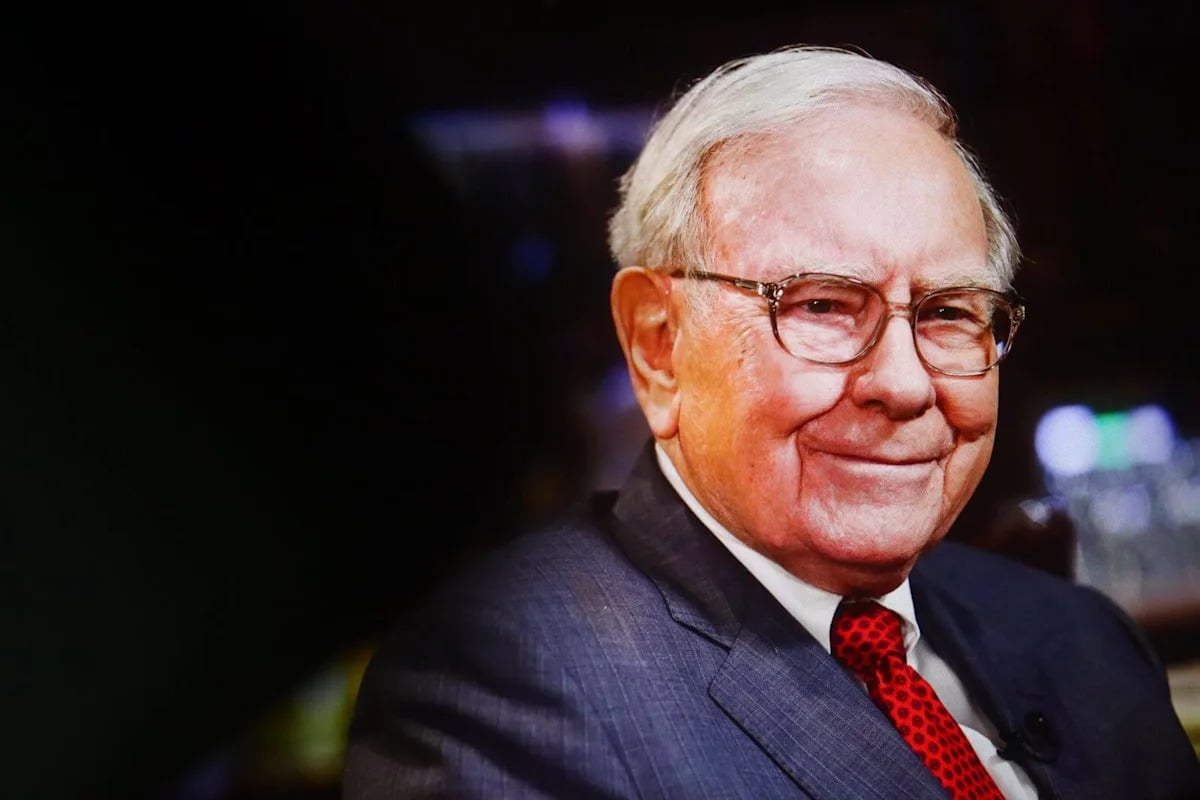
Berkshire Hathaway Class B shares reached $543.06 in New York, touching a fresh all-time high amid a broader technology sell-off. The milestone signals growing market confidence in CEO Greg Abel following Warren Buffett’s transition away from leadership roles at the Omaha-based conglomerate.
For months, the investment community weighed the shadow of an era ending. When legendary investor Warren Buffett announced on May 3, 2025, that he would step down as chief executive officer, Berkshire Hathaway shares drifted downward for the remainder of the year, slipping 1.9% while the broader S&P 500 climbed 21%. Greg Abel formally took the reins as CEO on January 1, 2026. Nearly ten months into his tenure, the Berkshire blues have lifted as the company’s Class B stock pushed past its previous peak from May 2025.
Greg Abel Deploys the Massive Cash Pile
Under Abel’s leadership, the conglomerate has broken away from the defensive holding pattern that defined its final years under Buffett. Berkshire broke a 14-quarter streak as a net seller of equities, purchasing $23.5 billion worth of stocks while selling $3.7 billion during the second quarter. Abel also executed a $6.8 billion acquisition of homebuilder Taylor Morrison Home Corp., established a $10 billion investment in Alphabet via a private placement, and bought back more than $4.5 billion of its own shares.
This decisive deployment of capital has reshaped market perceptions. While Berkshire held a staggering liquidity war chest of about $365 billion—including short-term Treasury bills—analysts note that higher short-term interest rates mean those cash reserves generate substantial interest income while management awaits further opportunities. Keefe, Bruyette & Woods analyst Meyer Shields pointed out that higher interest rates provide structural support for the company’s earnings power.
Semiconductor Sell-Off Triggers Dot-Com Era Divergence
The record highs coincide with a sharp rotation away from artificial intelligence and semiconductor stocks. Over a 12-trading-day span from October 2 to October 20, the return gap between Berkshire and the iShares Semiconductor ETF reached 22 percentage points. U.S. chip stocks dropped roughly 15%, while Berkshire gained 7%.
Market historians note that a divergence of this magnitude has few precedents. Before October 2026, the last time semiconductor stocks fell at least 14% while Berkshire rose at least 7% over a 12-session window was October 3, 2001, in the turbulent aftermath of the dot-com crash. During October trading, the PHLX Semiconductor Index suffered steep losses while Berkshire notched its first 10-day winning streak since 2018.

Portfolio Holdings and Third-Quarter Earnings on the Horizon
Beyond its cash reserves and recent tech investments, Berkshire’s core equity portfolio continues to benefit from strong performances across major positions. Apple and Coca-Cola—the latter of which surpassed Alphabet to become Berkshire’s third-largest holding—have enjoyed extended bull runs, while Chevron gained from elevated oil prices. Reflecting this fundamental strength, UBS recently raised its price target on Berkshire from $906,000 to $942,000.
The next major test for Abel’s executive team arrives on November 7, 2026, when Berkshire Hathaway is scheduled to release its third-quarter financial results. Wall Street consensus estimates project revenue of approximately $100.9 billion and earnings per share of about $5.91.
Worth a look
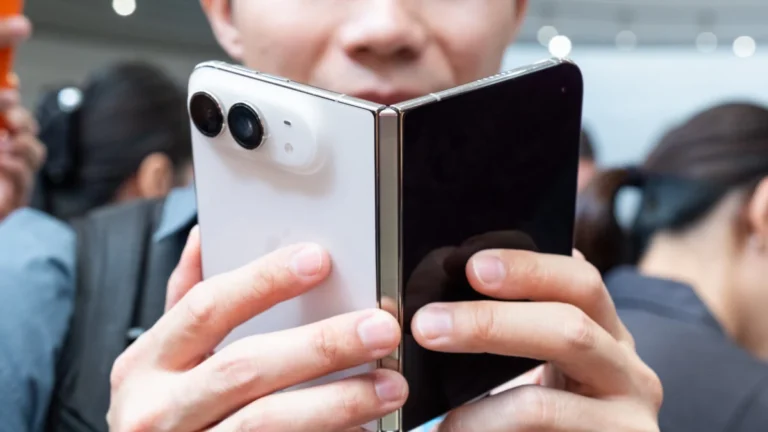
iPhone Duo Suffers Screen Failures After Launch
Apple’s first foldable phone, the iPhone Duo, launched on October 23, 2026, priced at $1,999 and up, as...
Samsung Brings Certified Re-Newed Galaxy Phones to Amazon
Samsung has expanded its Certified Re-Newed Galaxy program to Amazon for the first time, making 14 refurbished configurations...
Canva Launches AI Image Generator
Australian design platform Canva released its first in-house image generation model, Canva Craft, developed to compete with major...
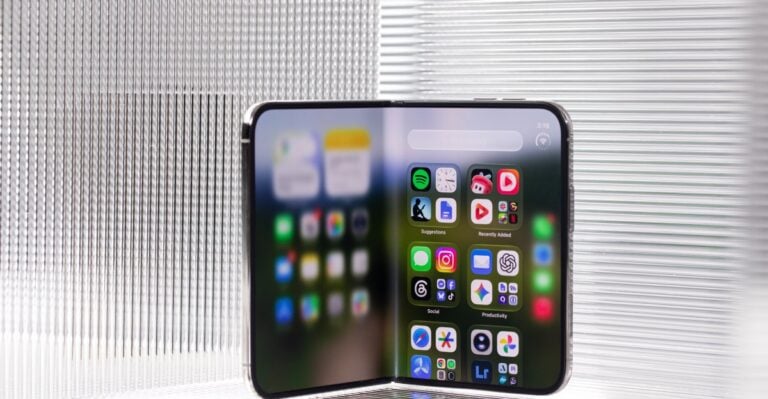
Apple Unveils iPhone Duo Folding Smartphone
Apple has launched its first folding smartphone, the iPhone Duo, priced from $1,999 with preorders pushing shipping dates...