Bolt brought its electric ride-hailing category to Johannesburg on October 21, 2026, partnering with the South African Meter Taxi and E-Hailing Association and BYD to target 500 electric vehicles nationwide by December 2026 as fuel costs climb past R30 per litre.
The boundary line between traditional meter taxis and app-based transport platforms in South Africa has changed. On October 21, 2026, Bolt officially launched its electric vehicle category in Johannesburg. This marked its second South African market following a May pilot in Cape Town with YugoRide.
Cape Town’s fleet relies on local firm YugoRide. The Johannesburg expansion brings in a heavyweight partner with deep roots in the metered transport sector: the South African Meter Taxi and E-Hailing Association, an affiliate of the South African National Taxi Council.
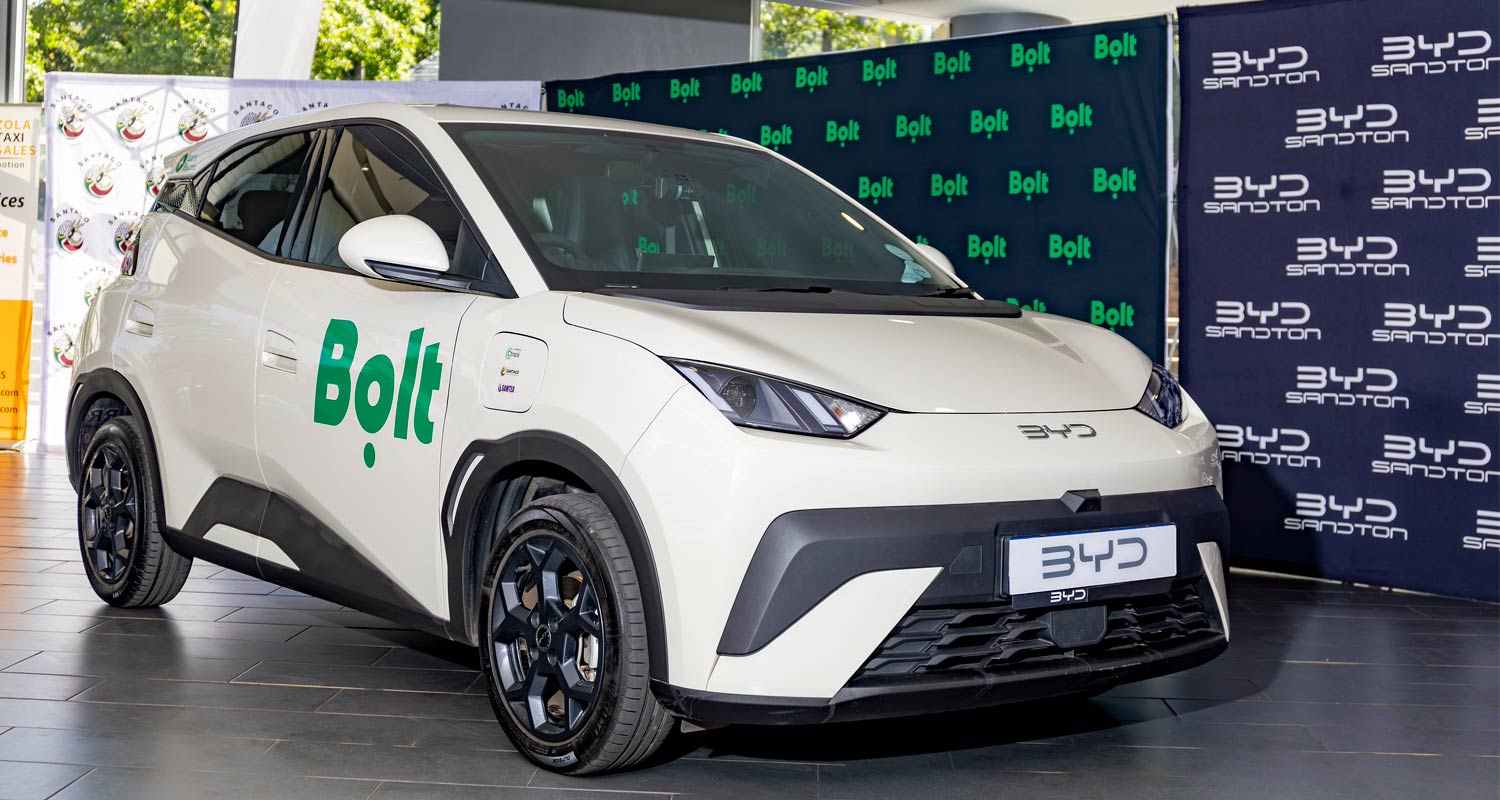
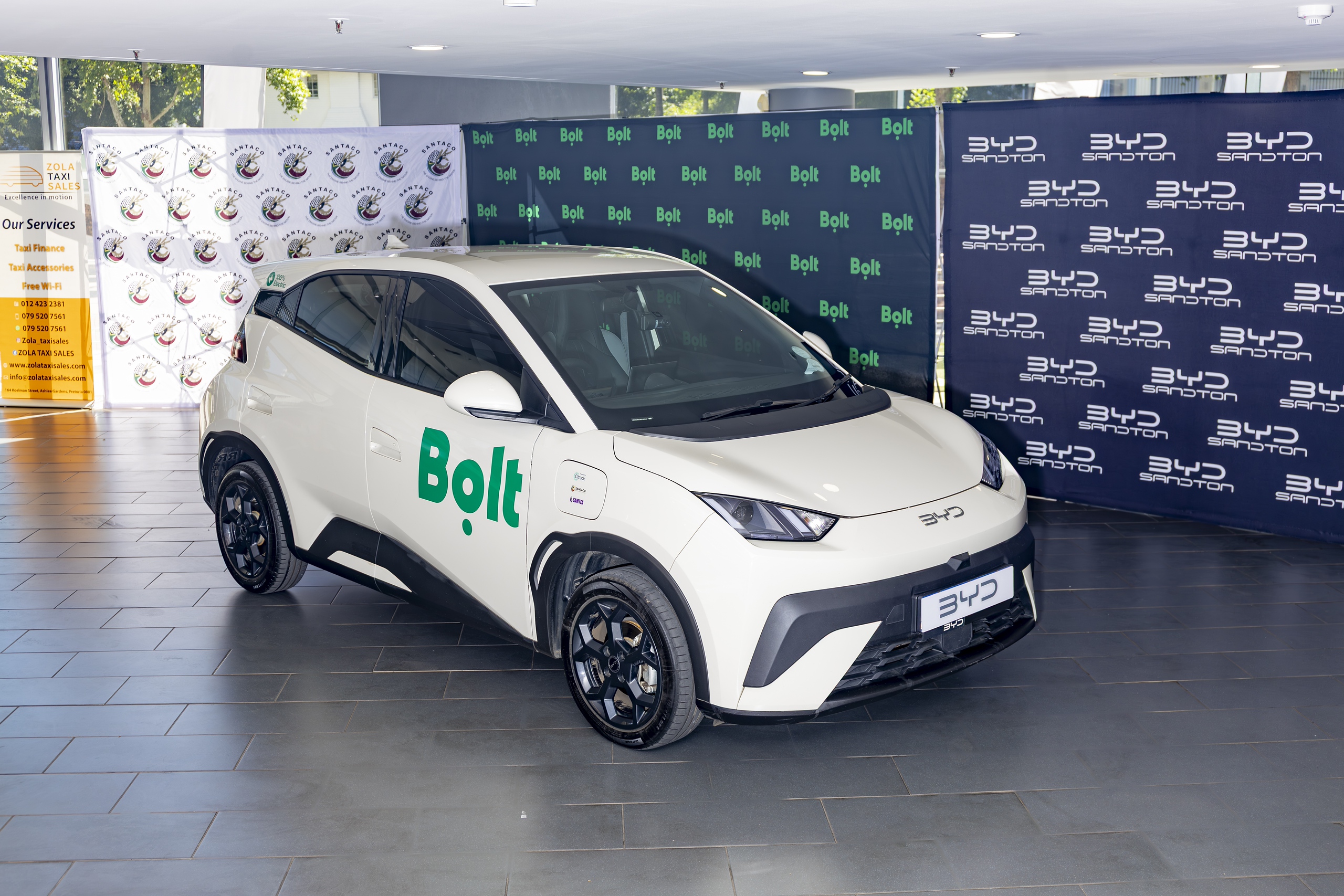
The collaborative fleet features BYD Dolphin Surf hatchbacks. These cars launched locally in September 2025 with a starting price of R339,900.
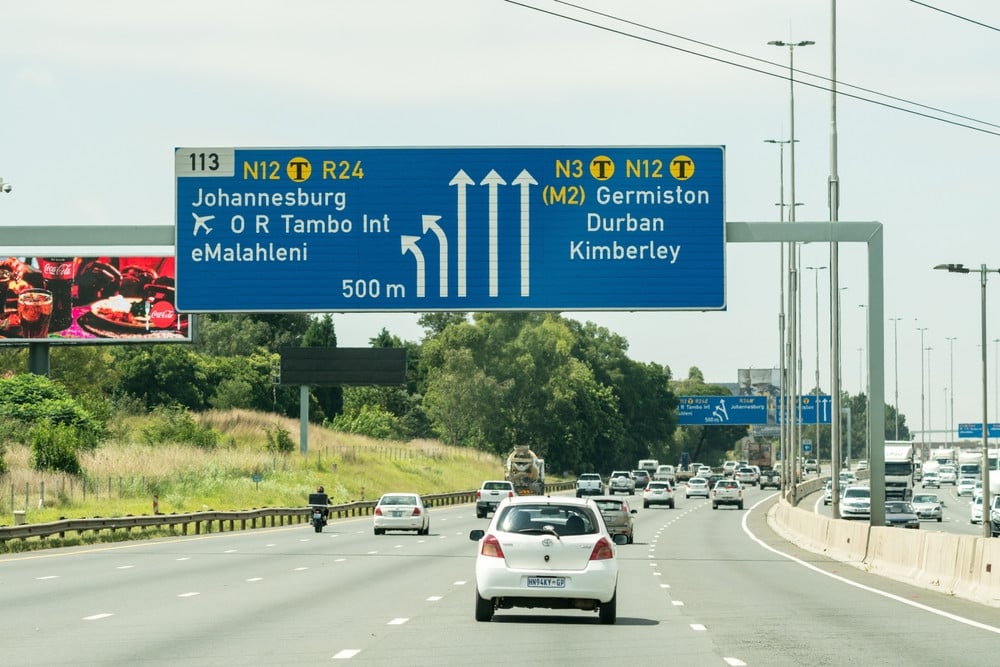
They operate in Sandton, along routes serving OR Tambo International Airport, and across parts of Johannesburg East. Rides in the new electric category are priced slightly above Bolt’s Standard tier.
Operators And E-Hailing Platforms Unite
When app-based transport platforms arrived a decade ago, traditional metered taxi drivers viewed them as an existential threat.
Tensions erupted into violence in 2016. Drivers assaulted then-Gauteng transport MEC Ismail Vadi after he announced plans to license Uber drivers.
Highway blockades occurred around OR Tambo International Airport in 2017.
Hostility has persisted in isolated bursts. Two e-hailing drivers were shot at and their vehicles torched in suspected taxi-industry violence in August 2025. Yet conditions changed following the 2020 Lekgotla resolution to integrate minibus and taxi formations.
There was a time when meter taxis and e-hailing were viewed as competitors, particularly as the market was disrupted and different parts of the sector responded in different ways. But through continued engagement, we have begun to find one another and recognise that many of the challenges facing the industry affect all of us, including our drivers.
Sibongiseni Shange, Chairperson of SAMTEA
Shange emphasised that operators must be part of a formalised industry to secure long-term sustainability and stronger worker protections.
Bolt Targets Fleet Expansion By December 2026
Rising operating expenses provide an urgent economic backdrop for the change.
Bolt South Africa general manager Graham Walker noted that electric fleets help cut maintenance and operating outlays while shrinking urban emissions. Electric mobility presents an important opportunity for South Africa,
Walker said. It can help reduce operating and maintenance costs for driver-partners and fleet operators, while contributing to cleaner urban transport.
Across all of its domestic markets, Bolt is targeting a total fleet of 500 electric vehicles by December 2026. The initiative involves coordination among Bolt, SAMTEA, SANTACO, BYD, and vehicle tracking provider Ctrack.
Infrastructure And Market Realities Face The Industry
Scaling electric mobility across South Africa faces structural barriers. Imported new energy vehicles carry a 25% customs duty, higher than the 18% tariff applied to combustion cars imported from the European Union. South Africa currently builds no fully electric vehicles domestically.
New energy vehicles accounted for just 2.8% of the country’s new-car market in 2025.
Operators must contend with scarce public charging infrastructure outside major urban centers and historical concerns regarding power grid reliability. Competitors face similar operational hurdles. Uber launched its own electric category in Johannesburg in November 2025 alongside fleet partner Valternative Energy.
Uber deployed low-cost Henrey EV4 cars and constructed dedicated charging sites in the northern suburbs.
Mazolo stressed that the transition requires active participation across the entire EV value chain, including development finance, realistic energy planning, and dedicated charging infrastructure at local taxi ranks and depots. The infrastructure that will power them matters, because you cannot have a vehicle that you cannot absolutely utilise,
Mazolo stated during the pilot launch events in October Transport Month.
Keep reading

South African Road Agency Warns of Sophisticated Smishing Scams
Mass smishing campaigns targeting South African motorists use roughly 200 cloned domains mimicking traffic authorities and petrol brands.

Guernsey introduces £10 weekly savings for children in care
A new government savings scheme will set aside £10 a week for children in care in Guernsey, giving...

Stocks Rise as AI Earnings Boost Markets, France’s Bond Yield Hits 5%
Global stock markets climbed on Wednesday as strong corporate earnings countered French 10-year bond yields hitting 5% for...

Abbott Cuts 2026 Sales View, Plans Spin-Off by 2027
Abbott Laboratories lowered its full-year 2026 sales growth forecast on Wednesday and announced plans to spin off its...