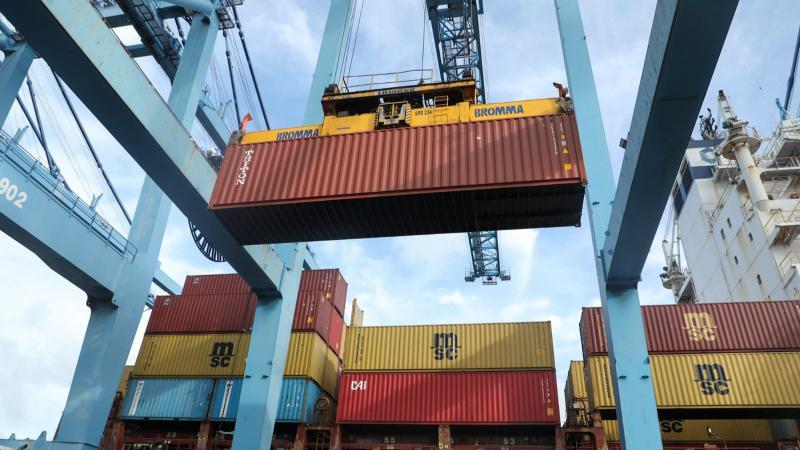
Kenya has secured access to China’s market for dried chillies, announced by KEPHIS, allowing producers to diversify exports. Exporters must comply with stringent food safety and plant health rules, including facility registrations, strict residue limits, and prohibitions on pests and Salmonella contamination.
Kenyan farmers, processors, and exporters have gained a major new avenue for agricultural trade following the official opening of the Chinese market to the country’s dried chilli producers. The development, which broadens export options beyond traditional destinations, was announced by the Kenya Plant Health Inspectorate Service in a public notice dated October 16, 2026, and detailed in statements issued on Thursday, October 22, 2026.
For agricultural stakeholders, the approval arrives as Kenya secures market access for the export of dried chillies to China.
Facility Inspections and General Administration of Customs Registration Requirements
Accessing the Chinese consumer base requires dealing with a multi-layered regulatory framework overseen by both Kenyan and Chinese authorities. Exporters cannot simply dispatch goods upon harvest; every facility involved in handling the crop must undergo rigorous vetting.
Under the established procedures, processing and packing facilities must be registered with China’s General Administration of Customs through KEPHIS. Before that international registration can take place, the facilities must first undergo physical inspection and approval by the Kenyan agency itself.
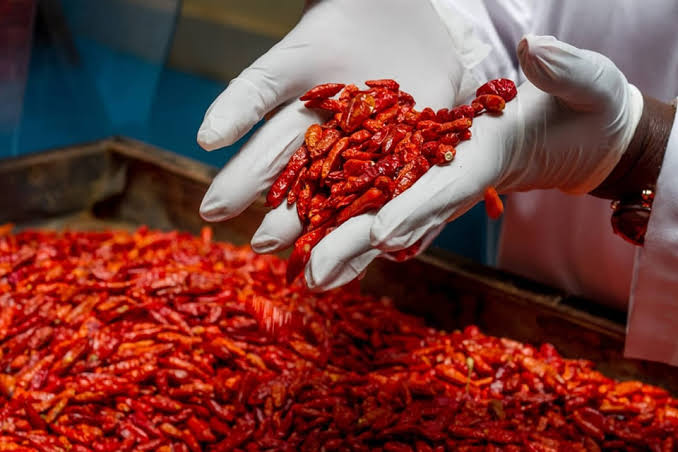
The administrative obligations extend directly to the farm gate. Producers, agricultural production sites, drying facilities, and packhouses are required to register with the inspectorate and meet specific export certification criteria. Furthermore, every single consignment destined for China must be accompanied by a phytosanitary certificate issued by KEPHIS confirming that the produce complies with prescribed plant health standards.
To satisfy traceability demands, industry players must adopt Good Agricultural Practices and Integrated Pest Management systems. Producers are explicitly directed to retain pest surveillance records for at least two years, ensuring regulators can trace any shipment back through its production lifecycle.
Exporters Adhere to Pesticide Limits and Microbiological Standards
Exporters must adhere strictly to established pesticide maximum residue limits, heavy metal restrictions, and aflatoxin B1 thresholds. Furthermore, Chinese import regulations prohibit Sudan dyes entirely and demand microbiological compliance, including the absolute absence of Salmonella.
Dried chillies must maintain a moisture content not exceeding 13 per cent while utilizing clean, appropriate packaging materials designed to maintain product safety and quality during handling and transportation.

The regulatory net also targets specific quarantine pests and pathogens that could threaten crops in destination markets. Shipments must remain entirely free of organisms such as the khapra beetle, cowpea weevil, and common bean bruchid, alongside destructive plant viruses and bacterial pathogens affecting staple crops.
| Compliance Category | Mandatory Requirement |
|---|---|
| Facility Approval | Inspection by KEPHIS and registration with China’s GACC |
| Traceability & Records | GAP and IPM implementation with two years of pest monitoring logs |
| Microbiological Standard | Zero tolerance for Salmonella and prohibition of Sudan dyes |
| Moisture Limit | Dried chilli consignments must not exceed 13 per cent moisture |
Broader Bilateral Trade Context and Outstanding Operational Timelines
The new agricultural opening arrives as Kenya builds on a broader trade arrangement with Beijing that provides duty-free access for about 98.2 percent of eligible Kenyan tariff lines. Since that framework took effect in May 2026, Kenya has reported upward momentum in agricultural shipments to China, particularly in commodities such as coffee and avocado oil.
KEPHIS Managing Director Prof. Theophilus Mutui has encouraged all interested farming groups, aggregators, processors, and industry associations to engage directly with the agency for technical guidance on registration and certification procedures.
The Kenya Plant Health Inspectorate Service (KEPHIS) wishes to inform farmers, exporters, processors, packers, producer organisations and other stakeholders that Kenya has secured market access for the export of dried chilies to the People’s Republic of China.
Theophilus Mutui, Managing Director, KEPHIS
Despite the official green light, key logistical details remain unannounced. As commercial stakeholders review the requirements, KEPHIS has not disclosed expected export volumes, projected earnings, or a timeline for when the first commercial shipments will actually depart under the newly established approval.
Worth a look

Typhoon Champi grounds nearly 1,000 flights, disrupts Taiwan
Typhoon Champi swept near northeastern Taiwan on October 23, 2026, prompting widespread shutdowns across the island.

Christa Pike Survives Botched Tennessee Execution Attempt
Death row inmate Christa Pike survived a botched execution attempt in Tennessee after staff struggled with intravenous lines,...

Wicknell Chivayo Gave Sugar Sugar Unregistered Toyota Fortuner
Zimbabwean businessman Wicknell Chivayo’s death has left a tangled web of unpaid car dealer debts and unresolved gifts,...

Haines hit in critical condition
Independent Australian MP Helen Haines remains in critical condition following a deliberate car attack outside her Wangaratta office...