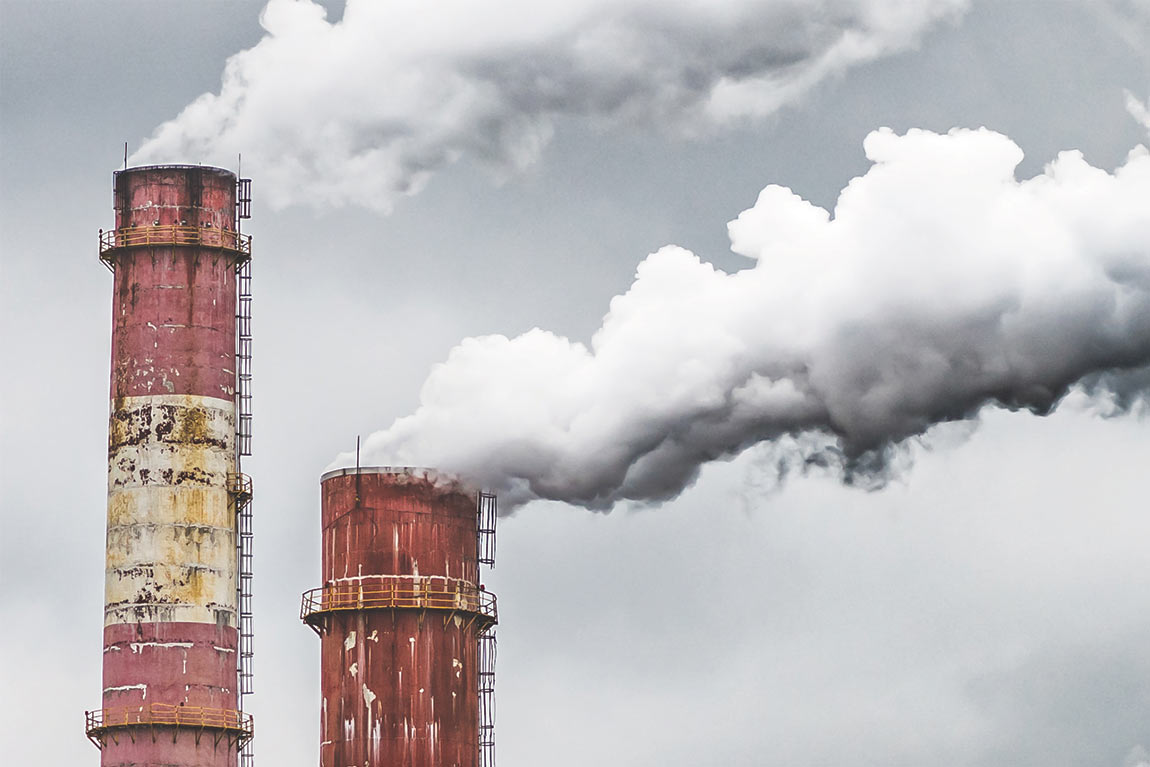
An Observer Research Foundation Middle East report released in November 2026 maps how the expanded BRICS+ bloc is structuring cooperation to cut emissions from iron and steel, cement, aluminium and chemicals, four hard-to-abate sectors examined in the report.
Expanded bloc, concentrated emissions
The grouping accounts for over 40 percent of global CO₂ output, the report notes.
CBAM and steel quotas sharpen the trade risk
The European Union’s Carbon Border Adjustment Mechanism already covers aluminium, cement, electricity, fertiliser, hydrogen, and iron and steel, with coverage expected to expand over time, the report notes. For BRICS+ economies, the combination raises compliance costs for carbon‑intensive output while rewarding early investment in low‑emission technologies.

Net-zero targets and power mixes vary widely across Brazil, Russia and India
Net‑zero pledges range from Brazil’s 2050 and Russia’s 2060 to India’s 2070.
Electricity systems reflect that spread: Brazil relies on Hydropower (51.7 percent) plus Wind (15.0 percent) and Solar (11.4 percent); Russia runs on Natural gas (45.3 percent) backed by Coal (18.2 percent), Nuclear (17.5 percent) and Hydropower (17.3 percent); India still draws 72.3 percent of its primary electricity sources from Coal, alongside Hydropower (7.7 percent), Solar (7.1 percent), Wind (4.6 percent) and Natural gas (2.9 percent). Industrial decarbonisation differs fundamentally from power-sector decarbonisation.
Institutional scaffolding takes shape
The New Delhi Declaration highlights the members’ commitment to advancing industrialisation in an environmentally sustainable manner. A BRICS Joint Report on Hydrogen Value Chains and interoperable standards and certification frameworks for low-emission hydrogen are also under development.
SMEs flagged as the missing link
The sector accounts for almost 90 percent of businesses and over half of employment, and SMEs must be central to the industrial planning process.
“A just and inclusive transition must remain central to this agenda,” the report says.
Worth a look

Irish-Medium Education Bill Set to Fail After DUP Stormont Veto
A Sinn Féin bill requiring a workforce plan for Irish-medium schools is expected to fail in a Stormont...

ASEAN Specialists Tour Moscow ATOM Museum During Fellowship
Specialists from five ASEAN countries toured the ATOM Museum at VDNKh in Moscow this week as part of...

Guterres Ends UN Term With 2024 at 1.55°C, 2025 Renewables Cheaper
António Guterres ends his UN term with the World Meteorological Organization reporting 2024 averaged about 1.55 °C above...

BRI Diplomatic Missions Endorse Hong Kong’s First Five-Year Plan and Policy Address
Diplomatic missions of Belt and Road Initiative countries in Hong Kong have endorsed the city's first Five-year Plan...