
“A British citizen currently in the DR Congo has tested positive for Ebola.” So confirmed a UK government spokesperson, as reported by RTE.ie. The patient, a healthcare worker, is being flown back to the UK for treatment today, a move that activates the nation’s well-established protocols for handling such high-consequence infectious diseases.
A Worker on the Frontline
The individual is understood to be a member of a humanitarian organization sent to assist in the response to the ongoing outbreak. This case marks a significant and somber milestone: it is the first time a British national has contracted Ebola during the current crisis, which is centered in the Democratic Republic of the Congo.
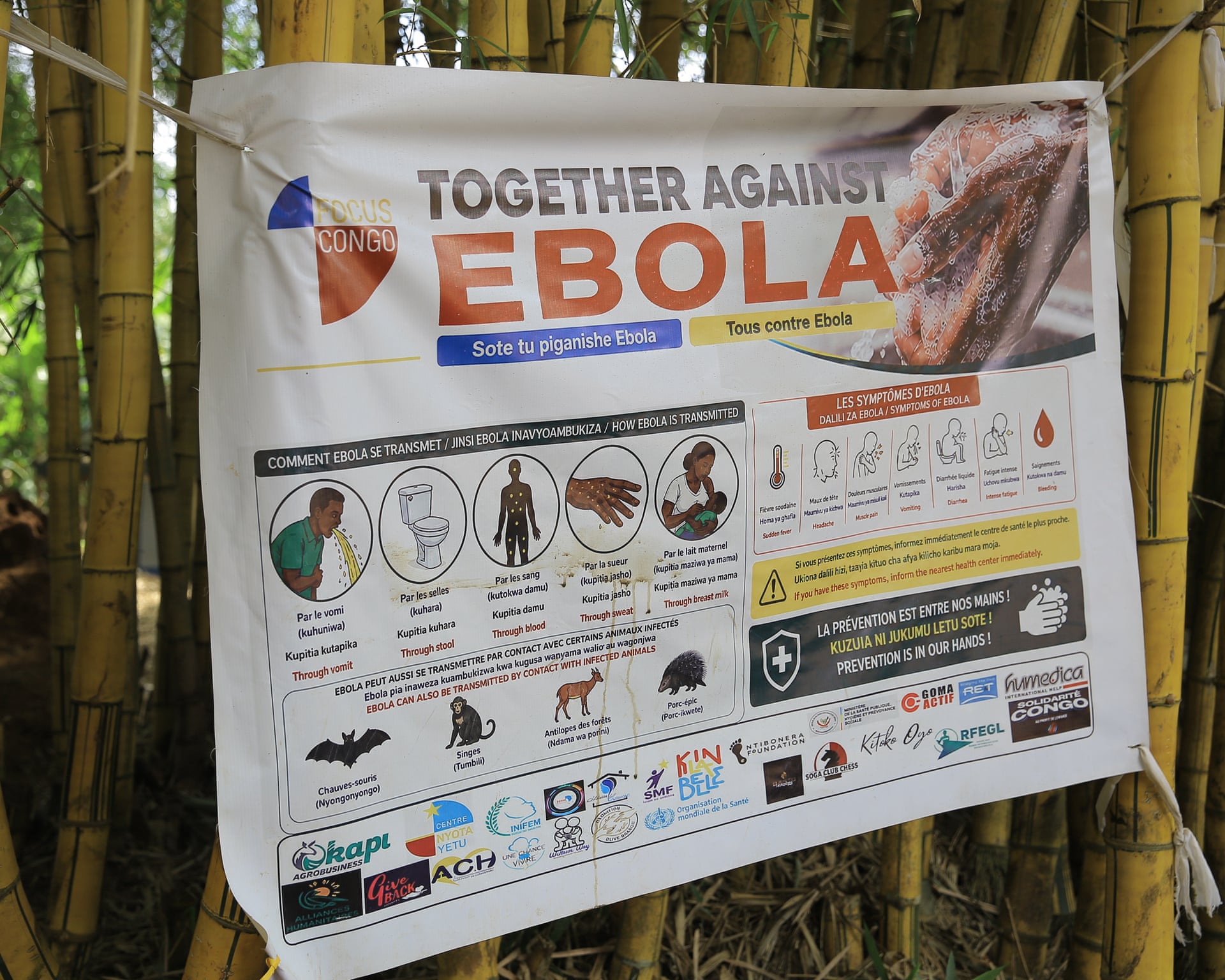
The outbreak itself, declared by the DRC’s health ministry, has become the largest and deadliest in the country’s history, surpassing 10,000 cases and resulting in 5,000 deaths, according to figures reported by The Guardian. The virus responsible is the Bundibugyo virus, and its unprecedented geographic spread has been a cause for global concern. It has reached Kenya, Uganda, and even Nigeria, where a case was confirmed in the capital, Abuja, last month after a woman arrived from Uganda.
A Specialized Mission
Once on UK soil, the patient will be transported in a specialist ambulance to a “high consequence” infectious disease unit. The destination is almost certain to be the Royal Free Hospital in London, one of only two hospitals in the country equipped with a high-level isolation unit for diseases like Ebola. The other is the Royal Victoria Hospital in Newcastle.
The Royal Free’s unit is a fortress of modern medicine. Run by a dedicated team of doctors, nurses, and lab staff, it features a special tent with controlled ventilation that allows care to be provided while containing the threat. All air leaving the unit is meticulously cleaned, ensuring zero risk to anyone inside or outside the hospital. The team has a proven track record, having previously treated patients with Lassa fever, Ebola, and Crimean-Congo haemorrhagic fever.
“The UK is extremely well prepared to care for patients with Ebola. Although Bundibugyo virus… can cause severe disease and is highly infectious through direct contact with infected bodily fluids, the Royal Free has state-of-the-art isolation facilities and highly experienced clinical teams. Strict protocols are in place to protect healthcare workers and prevent onward transmission. The risk to the wider UK public is extremely low.”
Why This Feels Different
The medical evacuation is a routine, yet stark, reminder of the dangers healthcare workers face. Dr. Damien Tully, an infectious disease expert from the London School of Hygiene & Tropical Medicine, put the situation into perspective for The Guardian.
“The infection of a British healthcare worker with Ebola is deeply concerning, but it is not entirely unexpected. Healthcare workers are on the frontline of these outbreaks, often treating severely ill patients under extremely challenging conditions. Even with rigorous protective measures, accidental exposures can occur.”
His analysis highlights a critical point: the risk to the general public in the UK is exceptionally low. Unlike airborne viruses such as Covid-19 or influenza, Ebola spreads primarily through direct contact with infected bodily fluids. A person is not generally contagious until they begin to show symptoms, which typically appear two to 21 days after exposure. This fact makes identifying and isolating cases a highly effective strategy for preventing onward transmission.
The Global Picture
This case is part of a larger, interconnected story of global health response. Dr. Jean Kaseya, the director general of the Africa Centres for Disease Control and Prevention, warned last month that the “unprecedented” spread of this outbreak meant no country was truly safe.
“We want all countries to know that they are not safe if they don’t take appropriate measures,” he told The Guardian. “Each country, not only in the African region, but all continents, must now increase the preparedness level and the possibility for treatment. It is the first time three African regions have been affected [by Ebola].”
UK FOREIGN MINISTRY: A BRITISH CITIZEN CURRENTLY IN DR CONGO HAS TESTED POSITIVE FOR EBOLA
The UK’s response, while confident, exists within this global context. This evacuation is not an isolated incident. Since the start of the DRC outbreak, other patients have been medically evacuated to Germany, the Netherlands, and Switzerland. A case was also reported in France in July. The UK Health Security Agency notes that there have only been four confirmed cases of Ebola in Britain since 1976, showing that prevention protocols and specialized care are effective.
For the British public, the immediate takeaway is one of calm but watchful concern. The systems are in place. The experts are ready. The risk, as they have been repeatedly assured, remains low. But for the healthcare worker in that isolation unit, and for the thousands still battling the outbreak in the DRC, the stakes are profoundly personal and immeasurably high.
Worth a look
Former Partner of Greens Senator Jordon Steele-John Charged With Stalking and Extortion
A 40-year-old Perth woman has been charged with aggravated stalking and demanding property by written threats in connection...
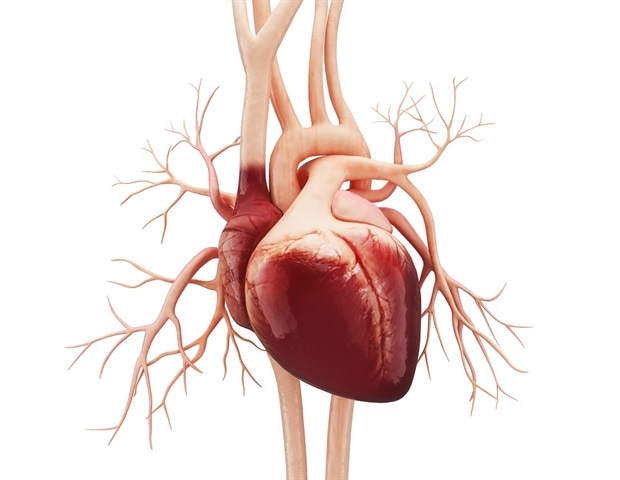
Right Ventricular Remodeling in Pulmonary Arterial Hypertension: Mechanisms and Therapies
A New Lens on a Silent Killer: Unraveling the Heart's Struggle in Pulmonary Hypertension Imagine a heart, forced...

Court of Appeal reviews Vickrum Digwa’s sentence for Henry Nowak’s murder
A 21-Year Sentence Under the Microscope The family of Henry Nowak watched from the gallery as the man...

Durvalumab and FLOT show promise for gastroesophageal cancer
How New Cancer Therapies Are Forging a New Standard for Gastroesophageal Cancer A new treatment approach for gastroesophageal...