NASA Discovers McGetchin, Largest Newly Formed Lunar Crater
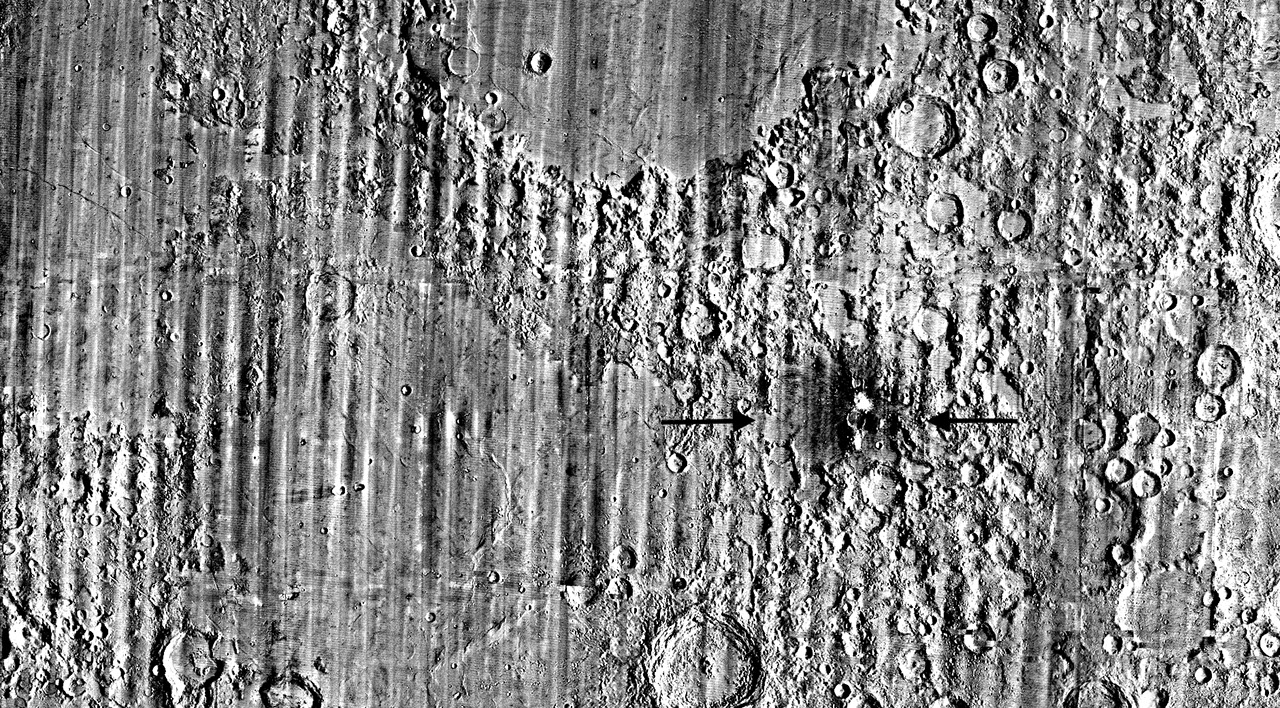
NASA’s Lunar Reconnaissance Orbiter has discovered McGetchin, the largest newly formed lunar crater ever found in the solar system.
Research, space, climate, health technology, and scientific discoveries with public impact.
NASA’s Lunar Reconnaissance Orbiter has discovered McGetchin, the largest newly formed lunar crater ever found in the solar system.

Human-induced climate change contributed significantly to the catastrophic glacier collapse and subsequent flash floods on the Nepal-Tibet border, according to a scientific study…

NASA researcher Robert Wagner has discovered a massive, 730-foot-wide lunar crater named McGetchin.
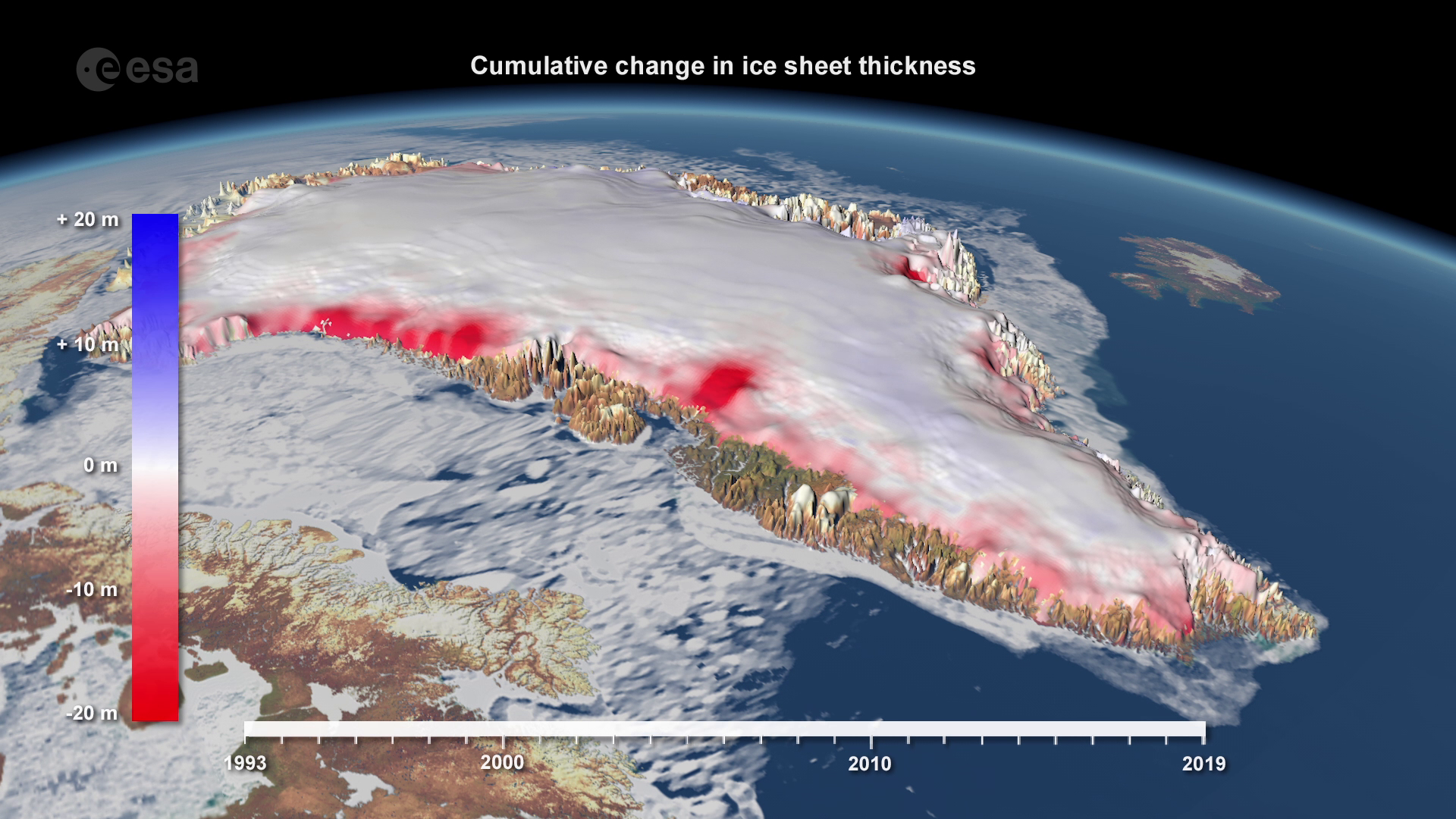
Satellite observations reveal that Greenland and Antarctica have shed massive amounts of ice since 1979.
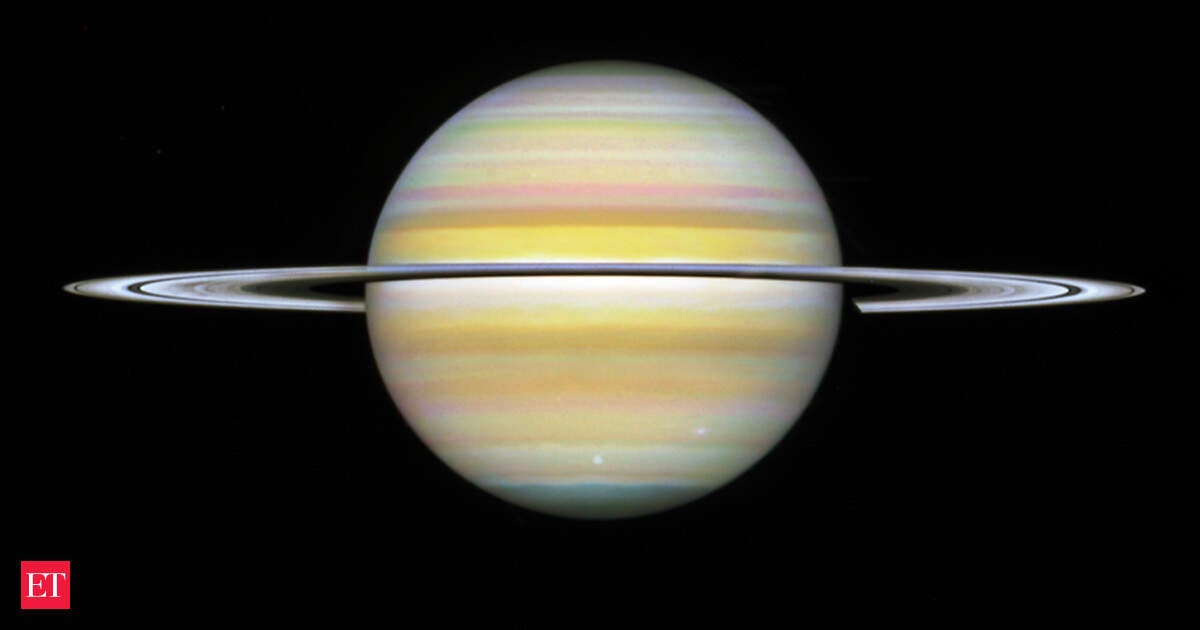
Astronomers using the Hubble Space Telescope have discovered a massive, 10-sided atmospheric wave pattern encircling Saturn’s south pole.

In a first for scientific history, researchers have discovered Antarctic krill utilizing deep-sea hydrothermal vents as a habitat, according to a paper published in Communications…

Unearthed in Montana’s Hell Creek Formation, a fossilized dinosaur dropping preserved an exquisite feather belonging to a prehistoric diving bird.
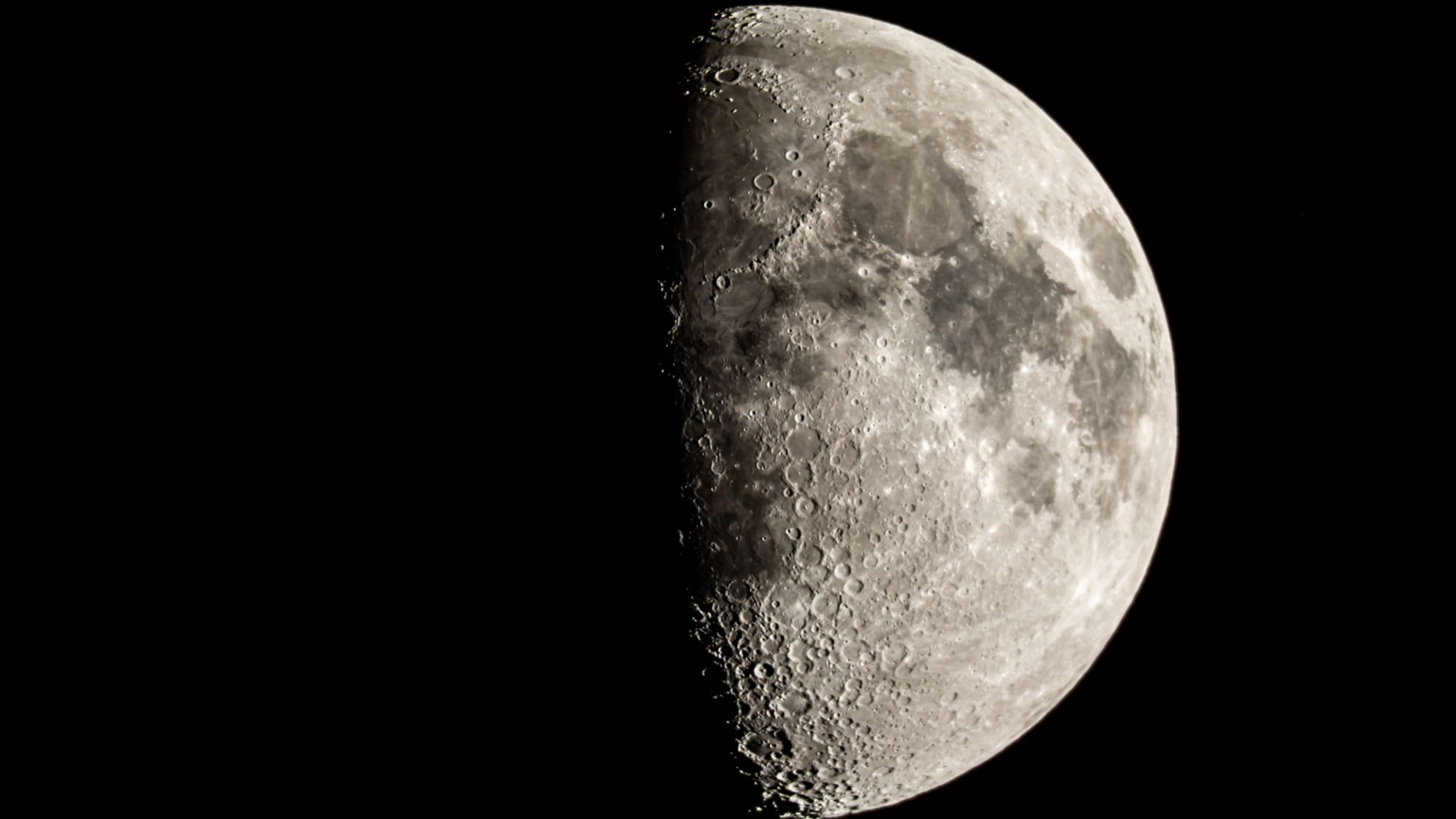
International Observe the Moon Night returns on Saturday, September 19, 2026, bringing together astronomy enthusiasts, local communities, and science organizations worldwide.
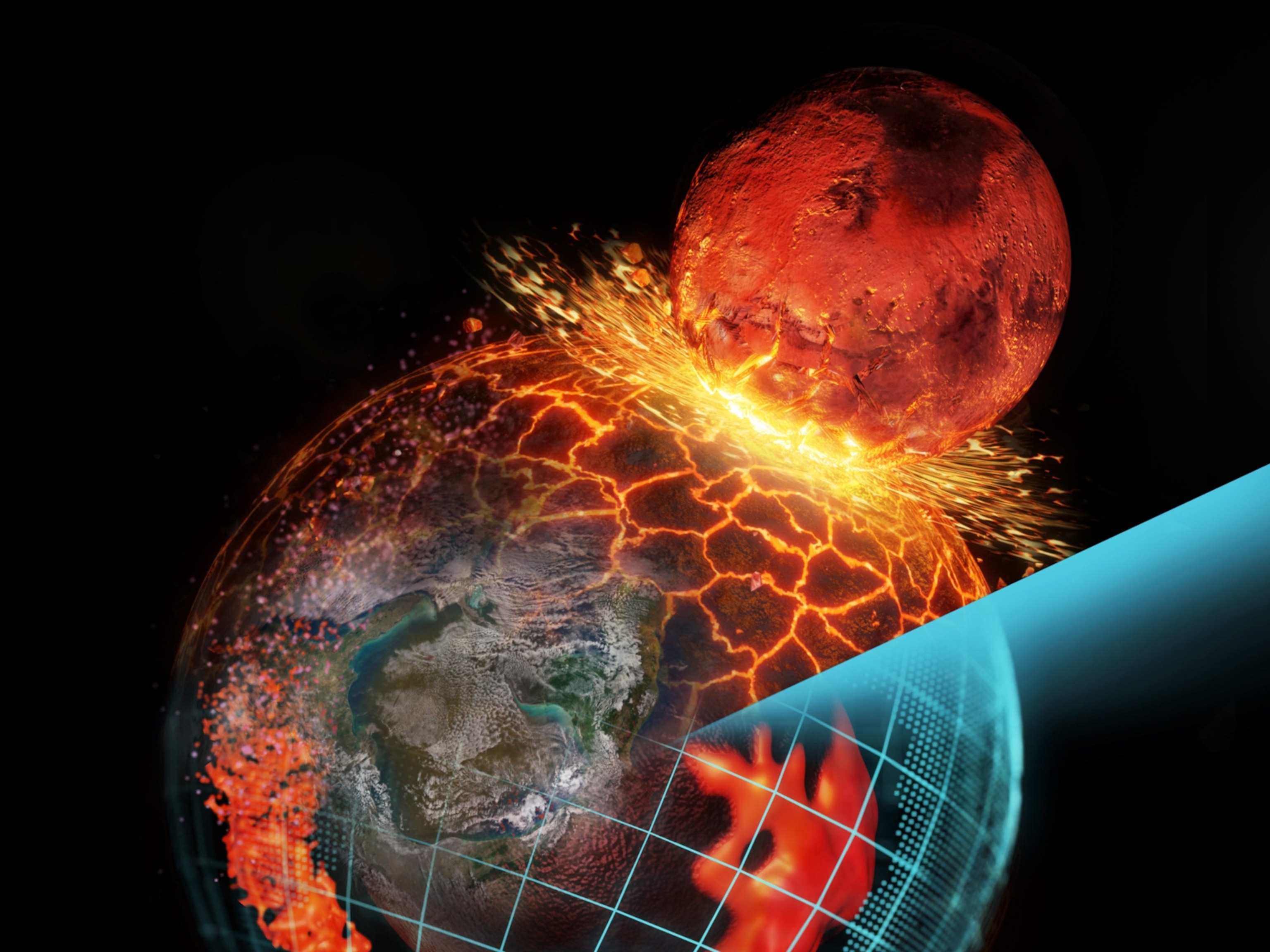
Venus may have once possessed a natural satellite capable of surviving for up to 1.7 billion years before its slow inward migration pushed it past the Roche limit.
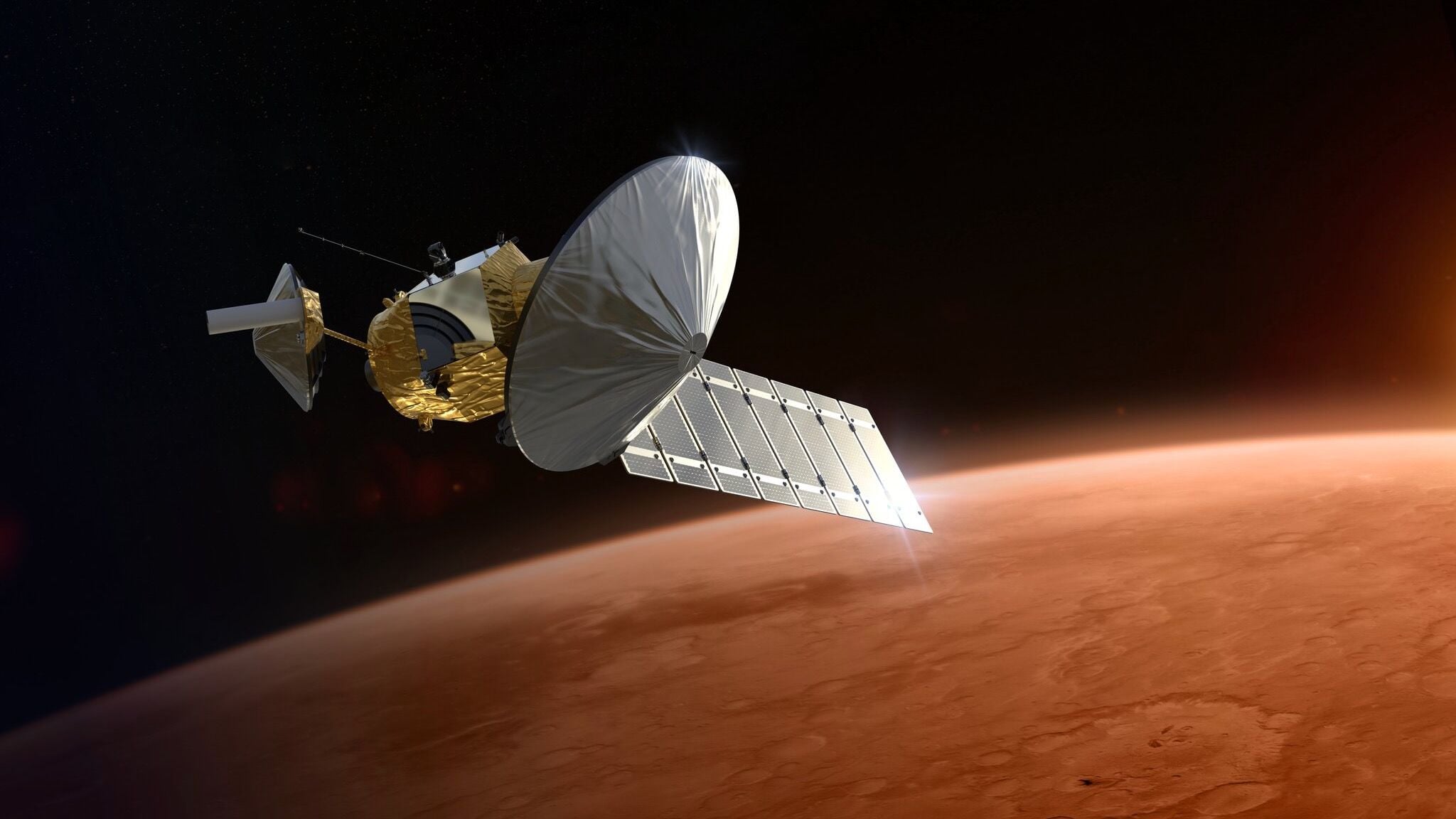
Rocket Lab filed a formal protest with the Government Accountability Office on September 11, 2026, challenging NASA’s decision to award Blue Origin a $700 million contract for the…
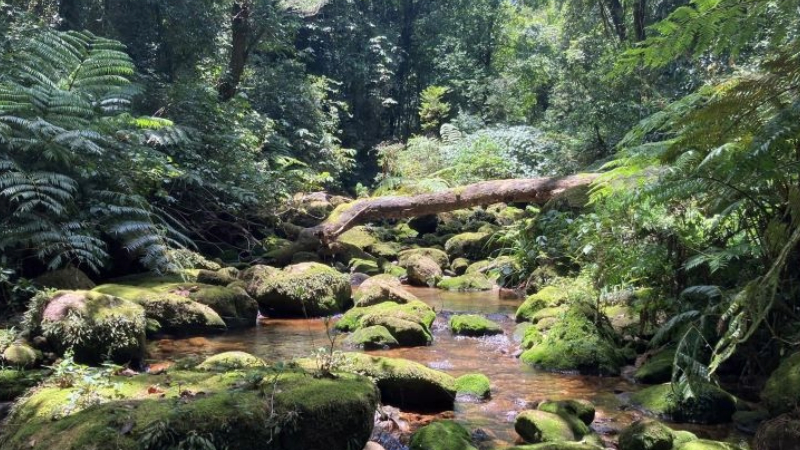
Mozambique formally protected the 9,341-hectare Mount Mabu area in the Lugela district on August 24, granting land stewardship to local communities.
Researchers analyzing bones and stone tools from Bianfu Cave in China’s Yunnan Province have identified seven Denisovan remains dating back up to 167,000 years.
We use cookies to run this site, measure traffic and — with your consent — to personalize ads. See our Cookie Policy.