Researchers Identify Denisovan Remains and Tools in China’s Bianfu Cave
Researchers analyzing bones and stone tools from Bianfu Cave in China’s Yunnan Province have identified seven Denisovan remains dating back up to 167,000 years.
Research, space, climate, health technology, and scientific discoveries with public impact.
Researchers analyzing bones and stone tools from Bianfu Cave in China’s Yunnan Province have identified seven Denisovan remains dating back up to 167,000 years.
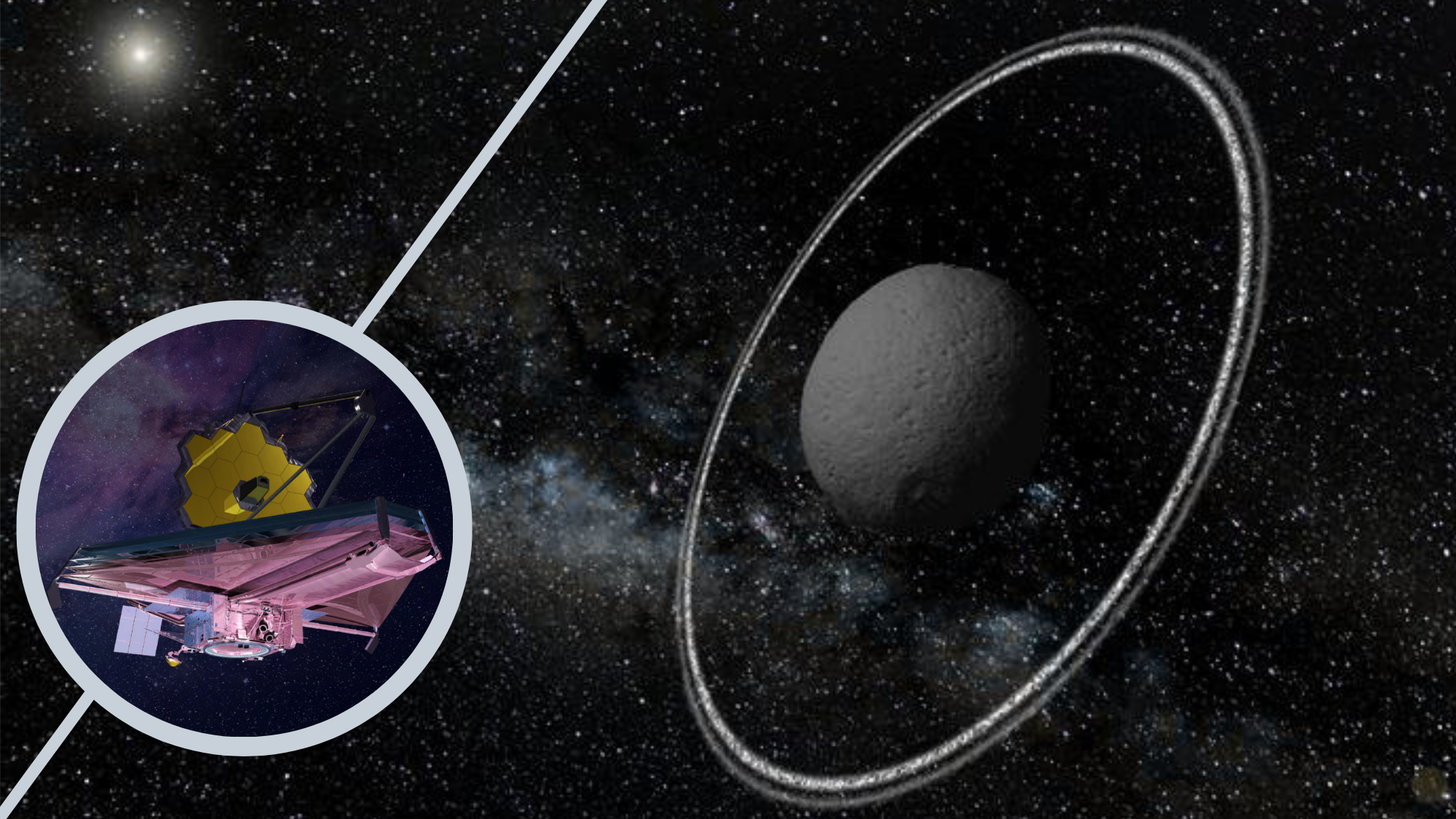
Astronomers using the James Webb Space Telescope (JWST) have discovered that the two narrow rings surrounding the distant solar system body Chariklo are changing over timescales…

SpaceX successfully launched the final three O3b mPOWER satellites for SES on September 13, 2026, from Cape Canaveral Space Force Station.
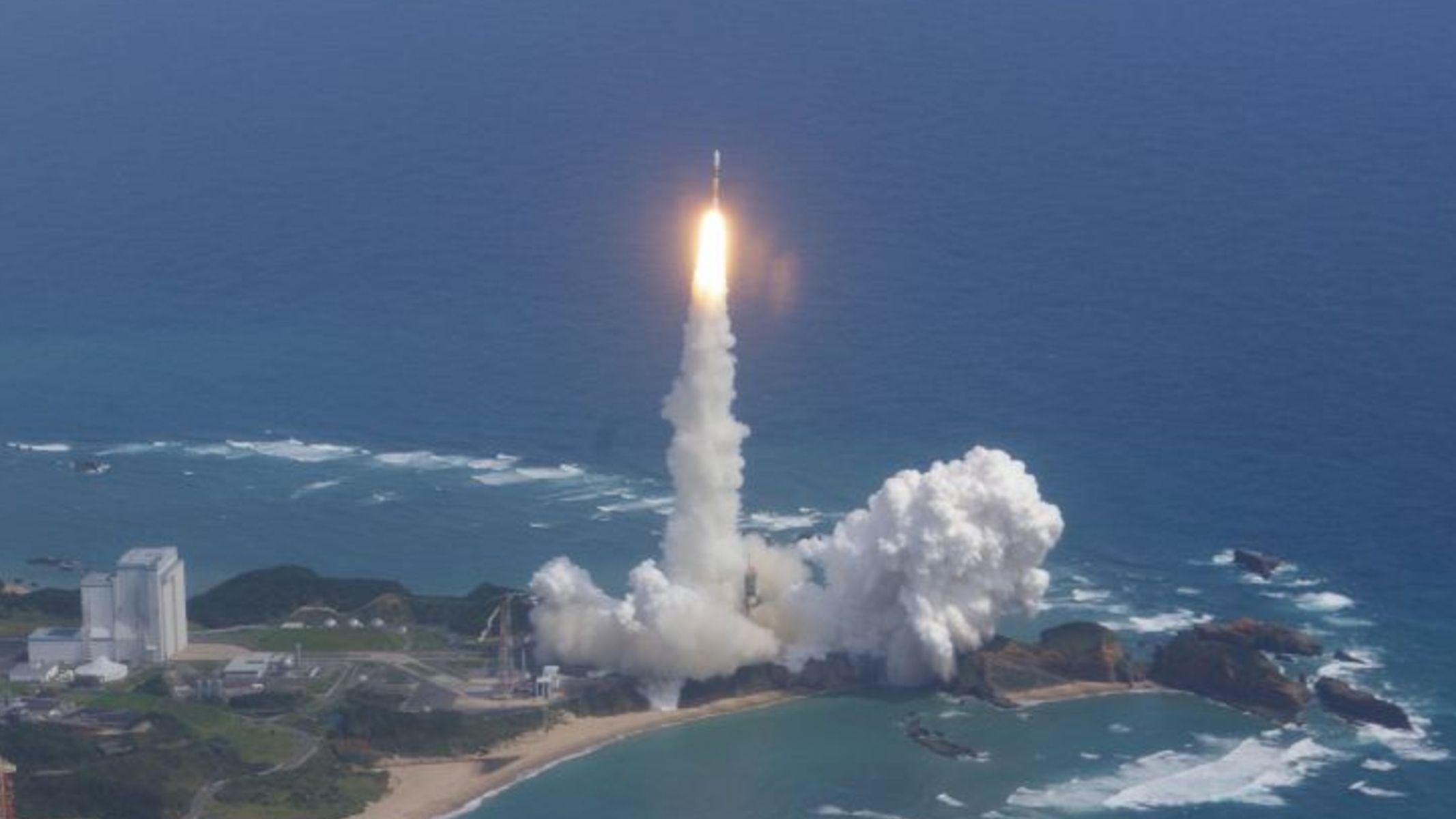
On September 13, 2007, Japan launched its advanced Kaguya spacecraft from the Tanegashima Space Centre aboard an H-IIA rocket.

Astronomers have identified Eos, a massive molecular-hydrogen cloud located roughly 300 light-years away and spanning 40 full-Moon widths across the sky.
Researchers zapping synthetic diamond plates with a powerful ultraviolet laser discovered the mineral’s melting point is more than 1,300 degrees Fahrenheit lower than previously…
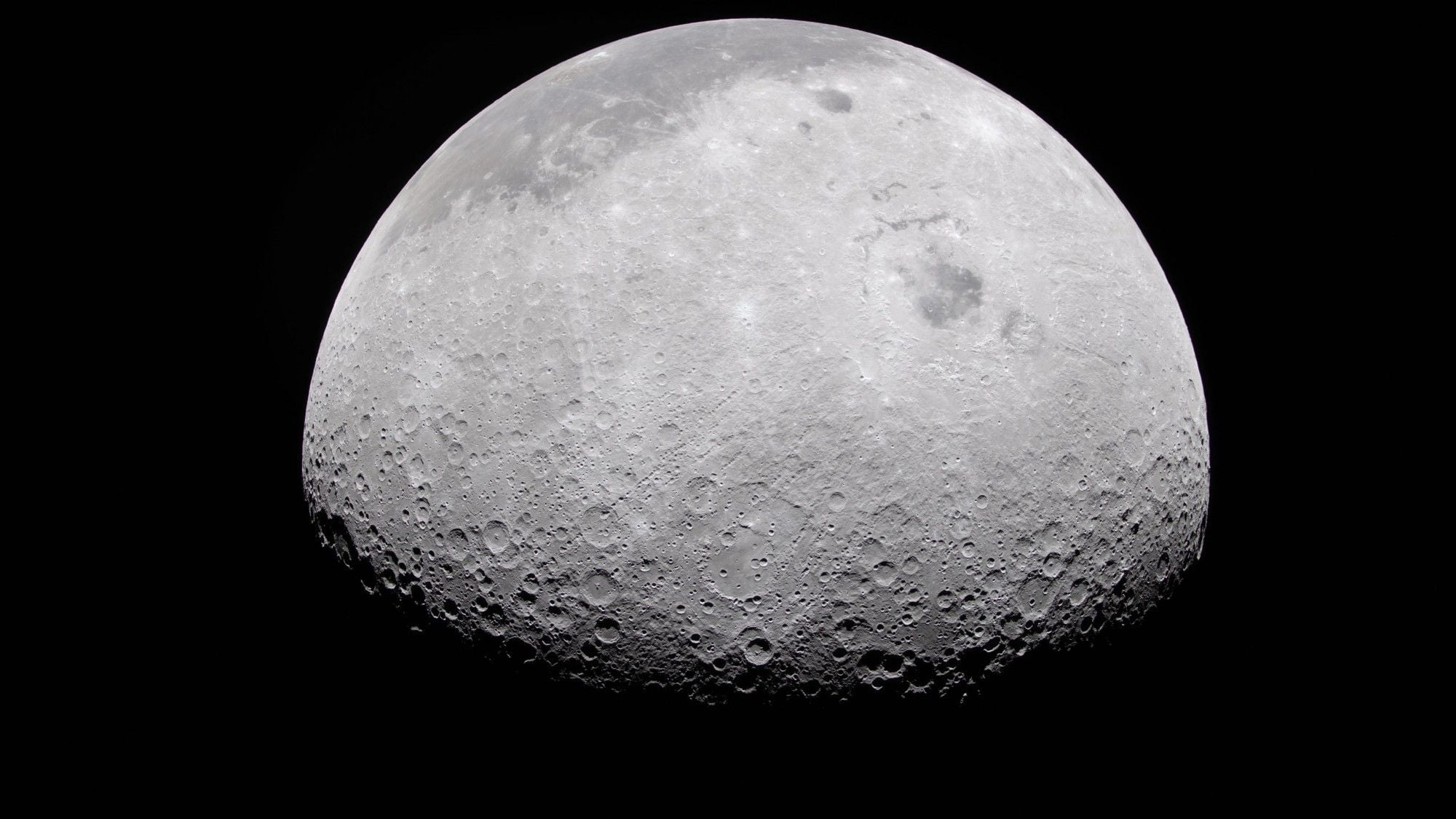
NASA and IBM released the NASA-IBM Lunar Foundation Model on Thursday, September 10.

Astronomers releasing a unified catalogue of 2,884 exploding stars have added fresh weight to signs that dark energy shifts over time rather than remaining constant.

Social media claims alleging Kalimantan forest fires are caused naturally by subterranean coal evaporation have been debunked by hydrological experts and geospatial mapping.

Deep learning now underlies most of the routine tasks in a modern imaging pipeline, from finding individual cells in a crowded field of view to restoring signal in noisy…
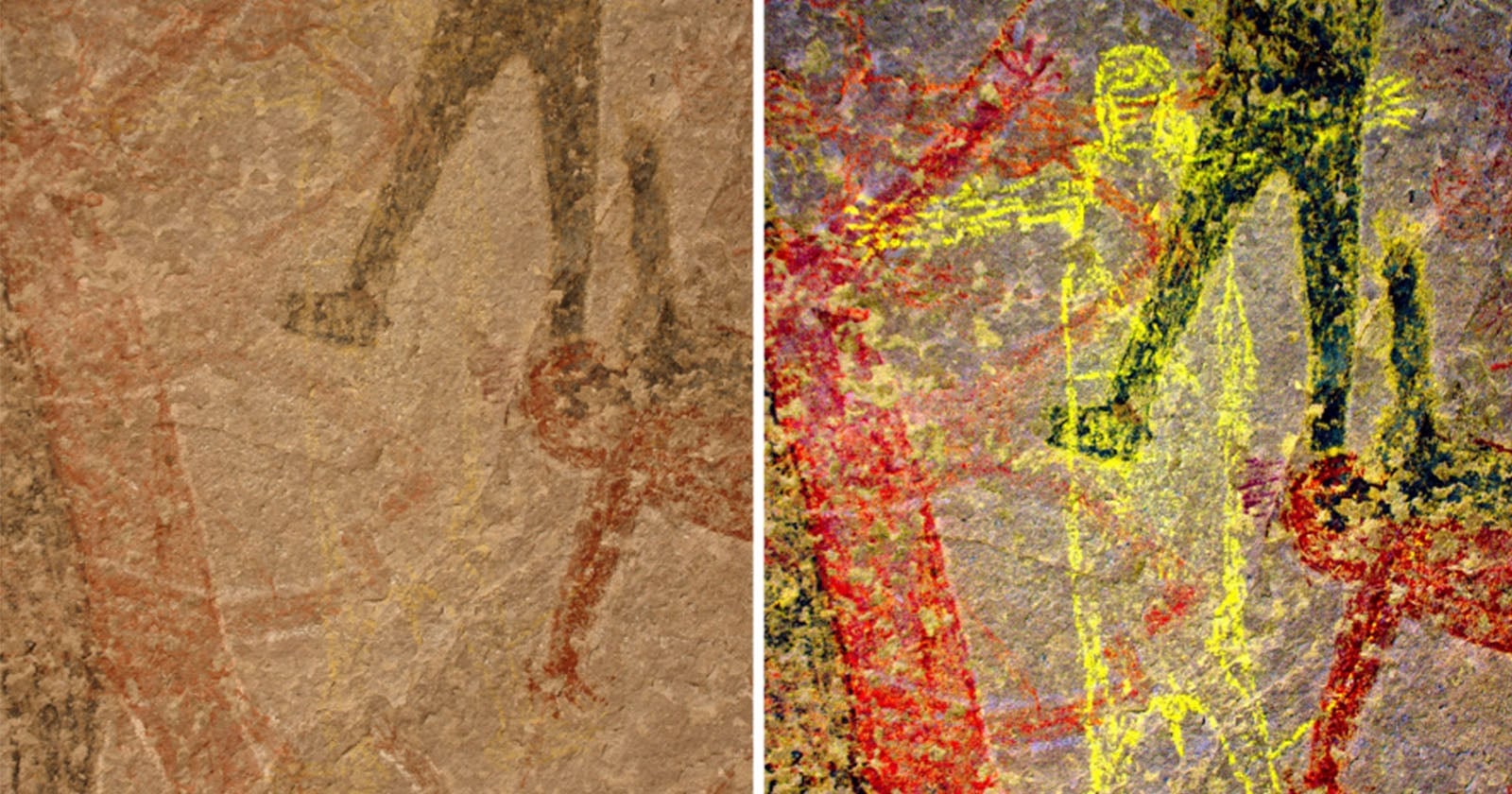
Originally engineered in 1978 for high-correlation remote sensing and satellite imagery, a NASA photo-processing method called decorrelation stretch is now unearthing faded rock…

Published in Nature on September 2, 2026, a sweeping study pooling data from over one million people has identified more than 1,260 common genetic variants tied to the Big Five…
We use cookies to run this site, measure traffic and — with your consent — to personalize ads. See our Cookie Policy.