JWST Finds Planet Formation Is a Race Against Time in 72 Young Star Systems

Using the James Webb Space Telescope (JWST), astronomers have studied 72 young, sun-like stars to investigate how protoplanetary disks lose material.
Research, space, climate, health technology, and scientific discoveries with public impact.
Using the James Webb Space Telescope (JWST), astronomers have studied 72 young, sun-like stars to investigate how protoplanetary disks lose material.
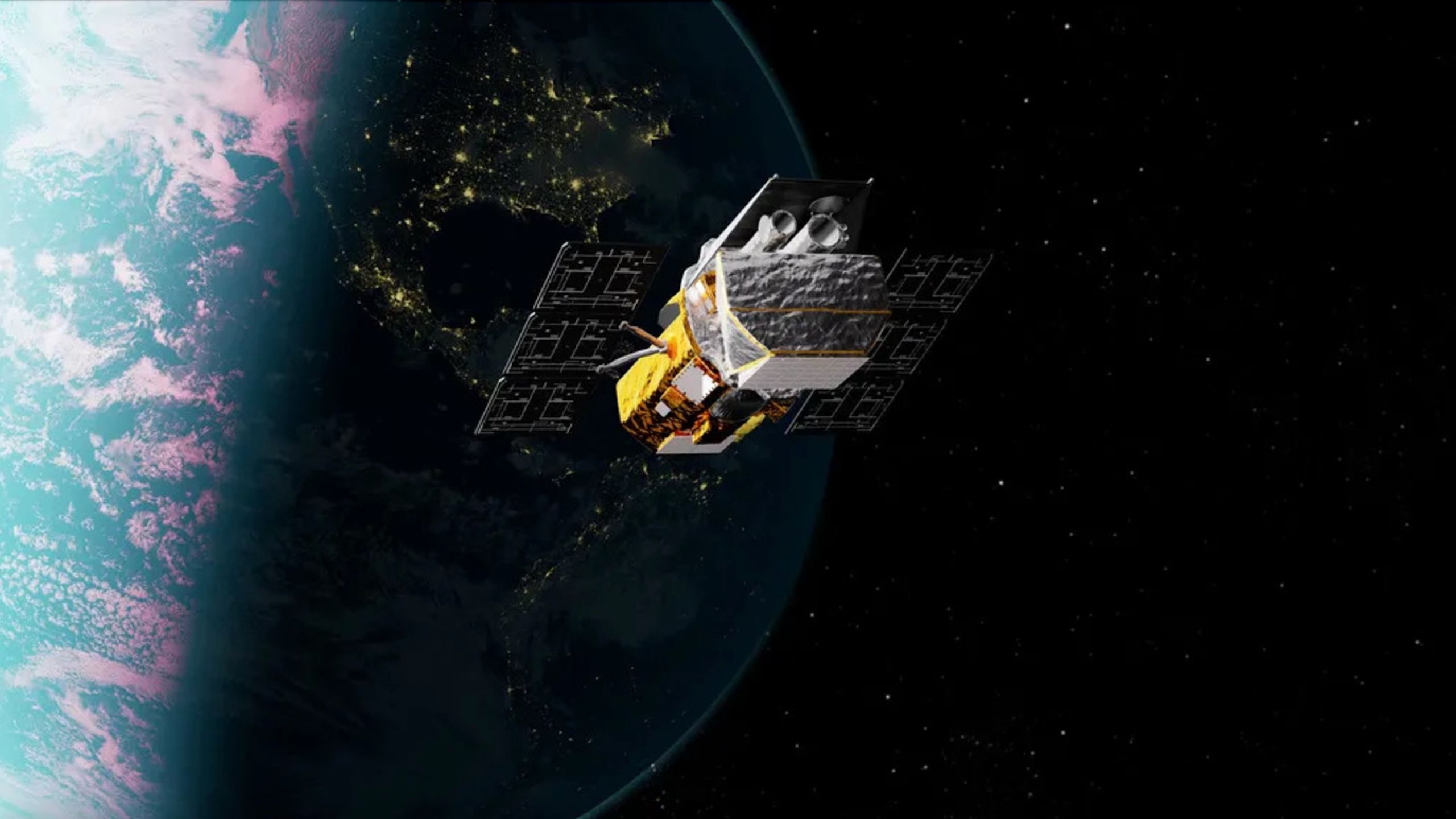
NASA’s aging Neil Gehrels Swift Observatory is set to plunge into Earth’s atmosphere later this year after a private rescue mission failed.
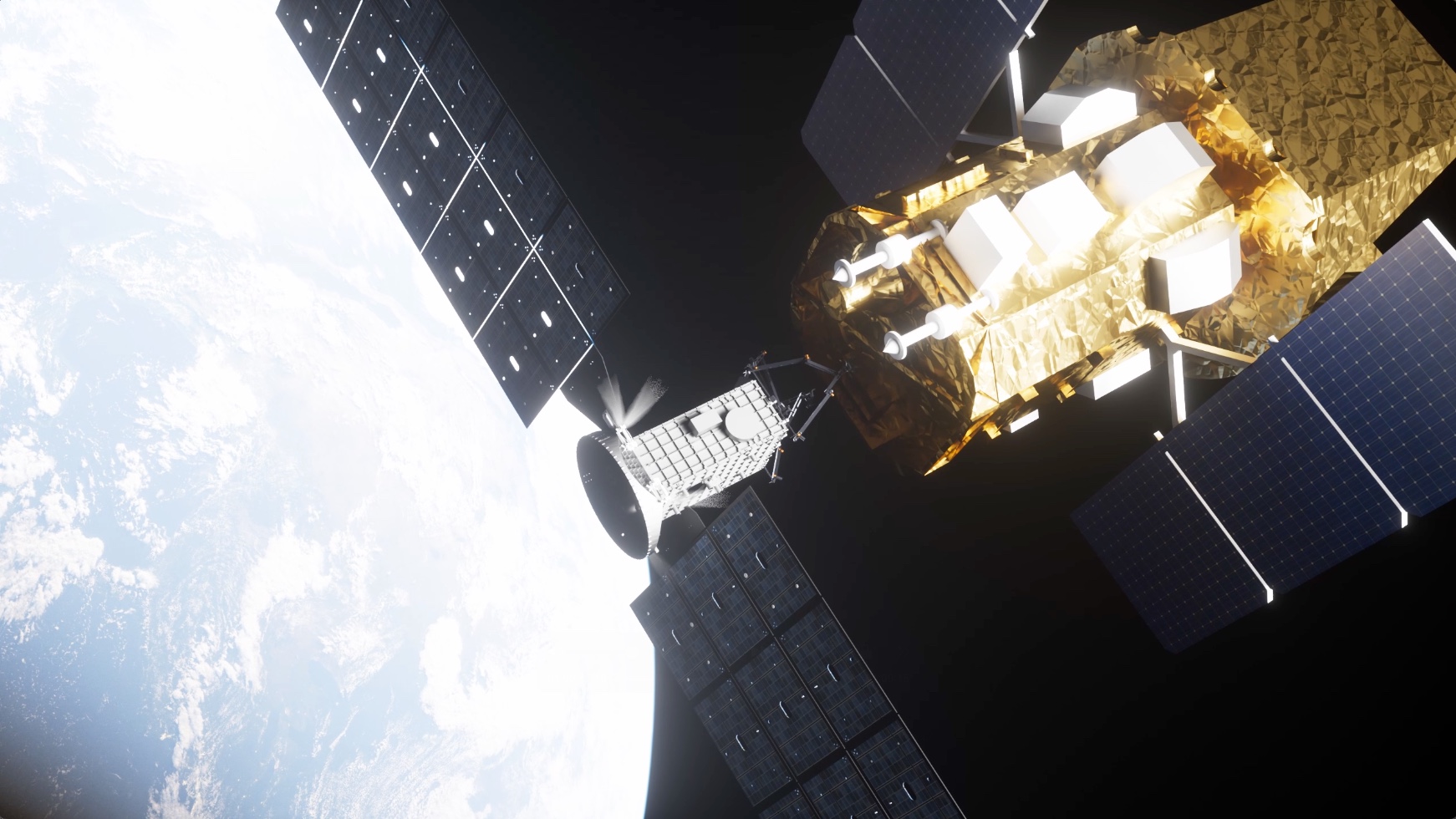
NASA and Katalyst Space announced they have abandoned plans to use a commercial spacecraft to boost the ailing Neil Gehrels Swift Observatory into a higher orbit.
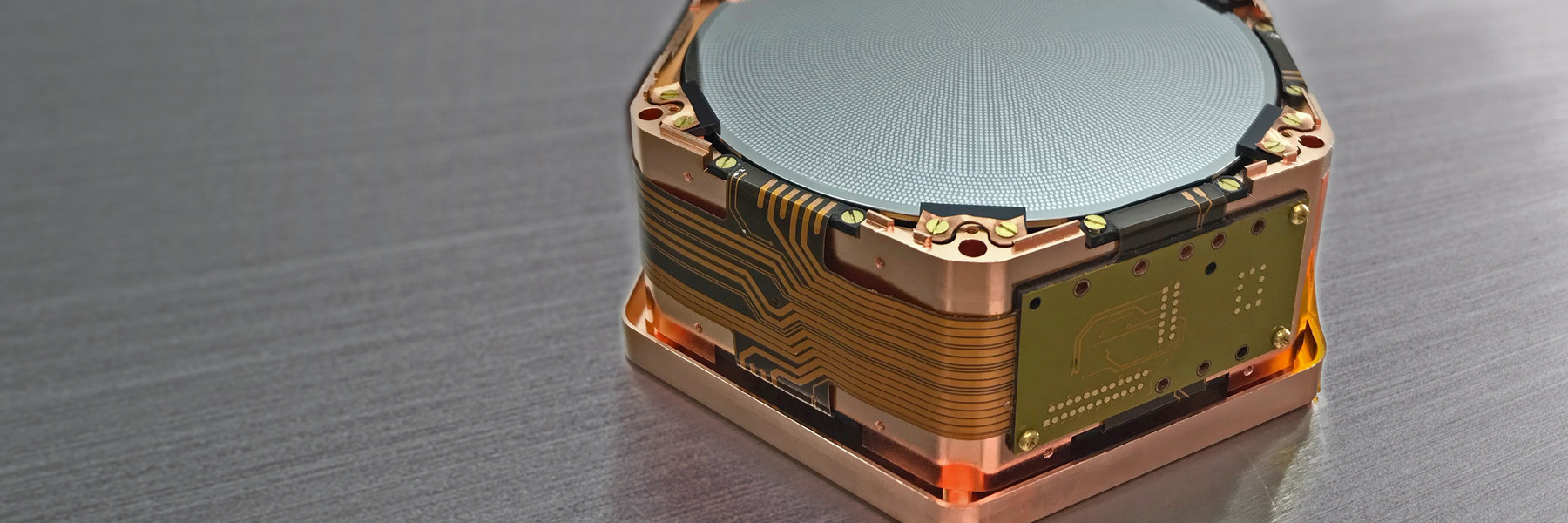
Scientists conducting the Super Cryogenic Dark Matter Search (SuperCDMS) experiment at SNOLAB have begun collecting their very first scientific data.

NASA’s Nancy Grace Roman Space Telescope has arrived at its SpaceX hangar at Launch Complex 39A at NASA’s Kennedy Space Center in Florida on Tuesday, Aug.
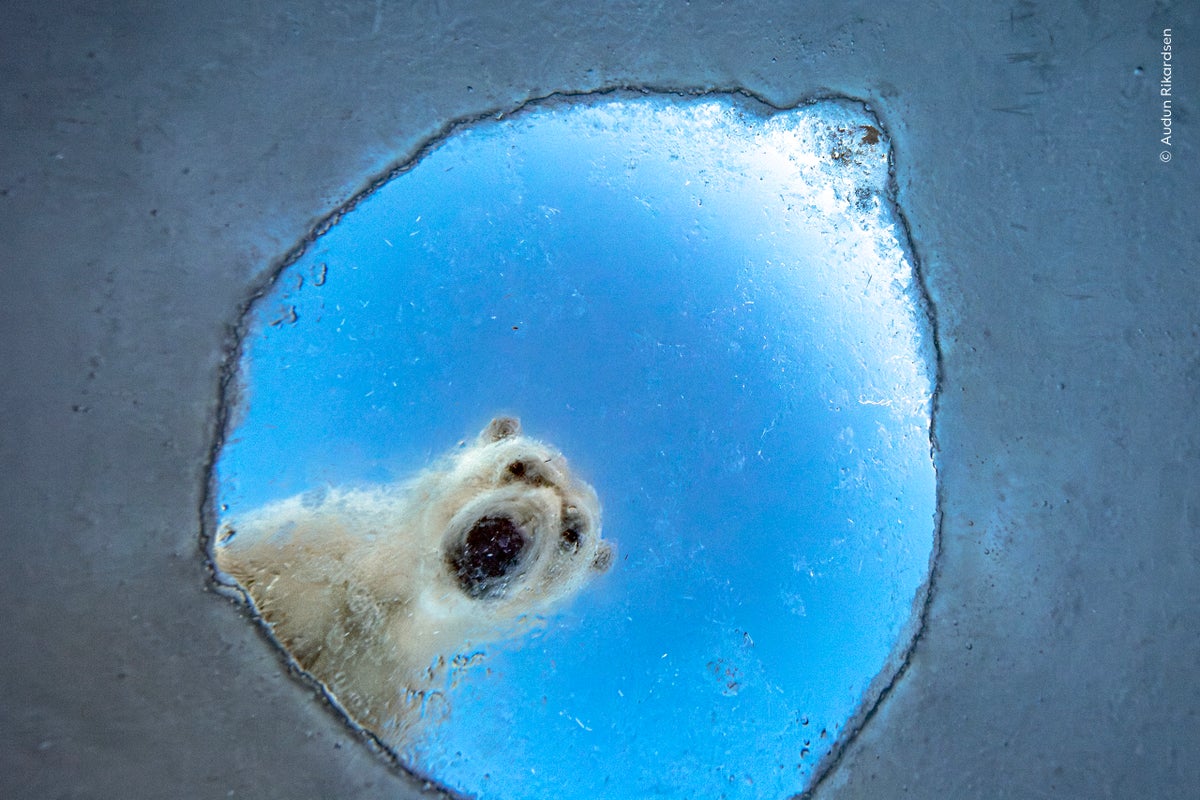
The Natural History Museum in London has released a preview of select winning and highly commended images for its 62nd annual Wildlife Photographer of the Year competition, which…

A Manhattan-sized ice island measuring 76.4 square kilometers broke away from Greenland’s Petermann Glacier on August 4, 2026.
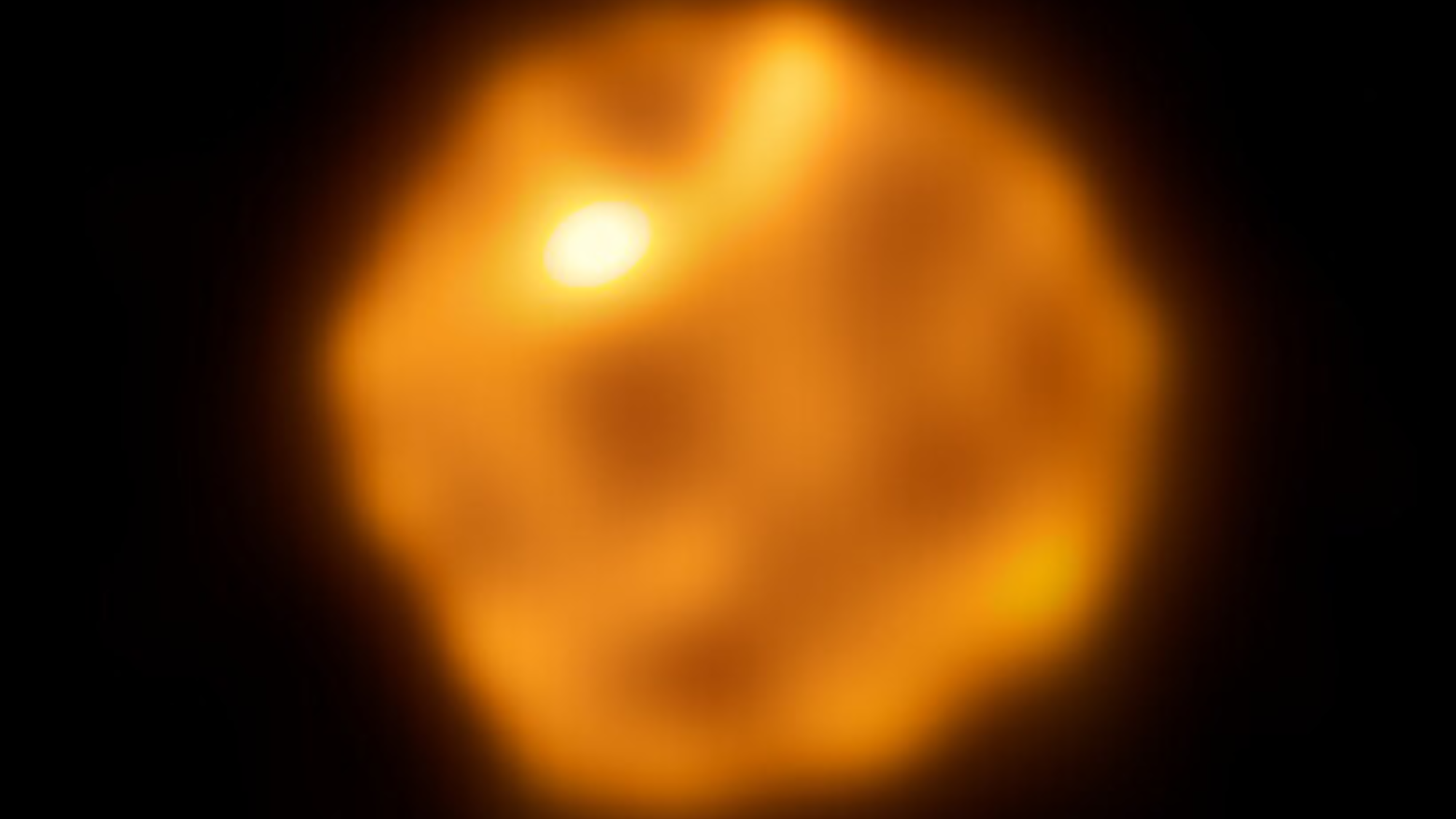
Astronomers using the Atacama Large Millimeter/submillimeter Array have captured images of Betelgeuse, revealing a corrugated surface and surprisingly persistent hotspots.

Researchers examining sustainable construction alternatives report that combining industrial iron processing waste with dynamically prepared magnetized water can significantly…
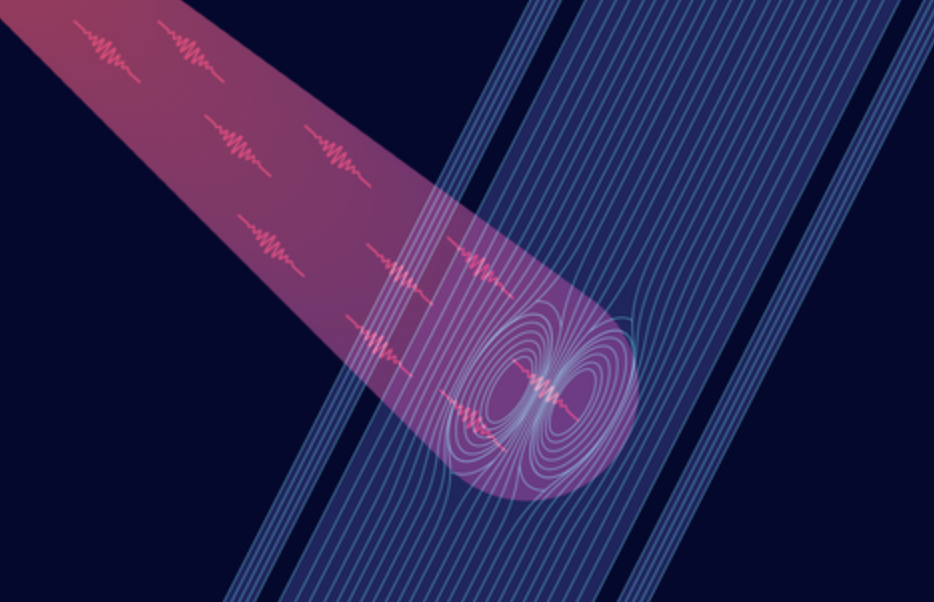
Researchers at the National Institute of Standards and Technology have developed a wider superconducting single-photon detector architecture using superconducting rails to…
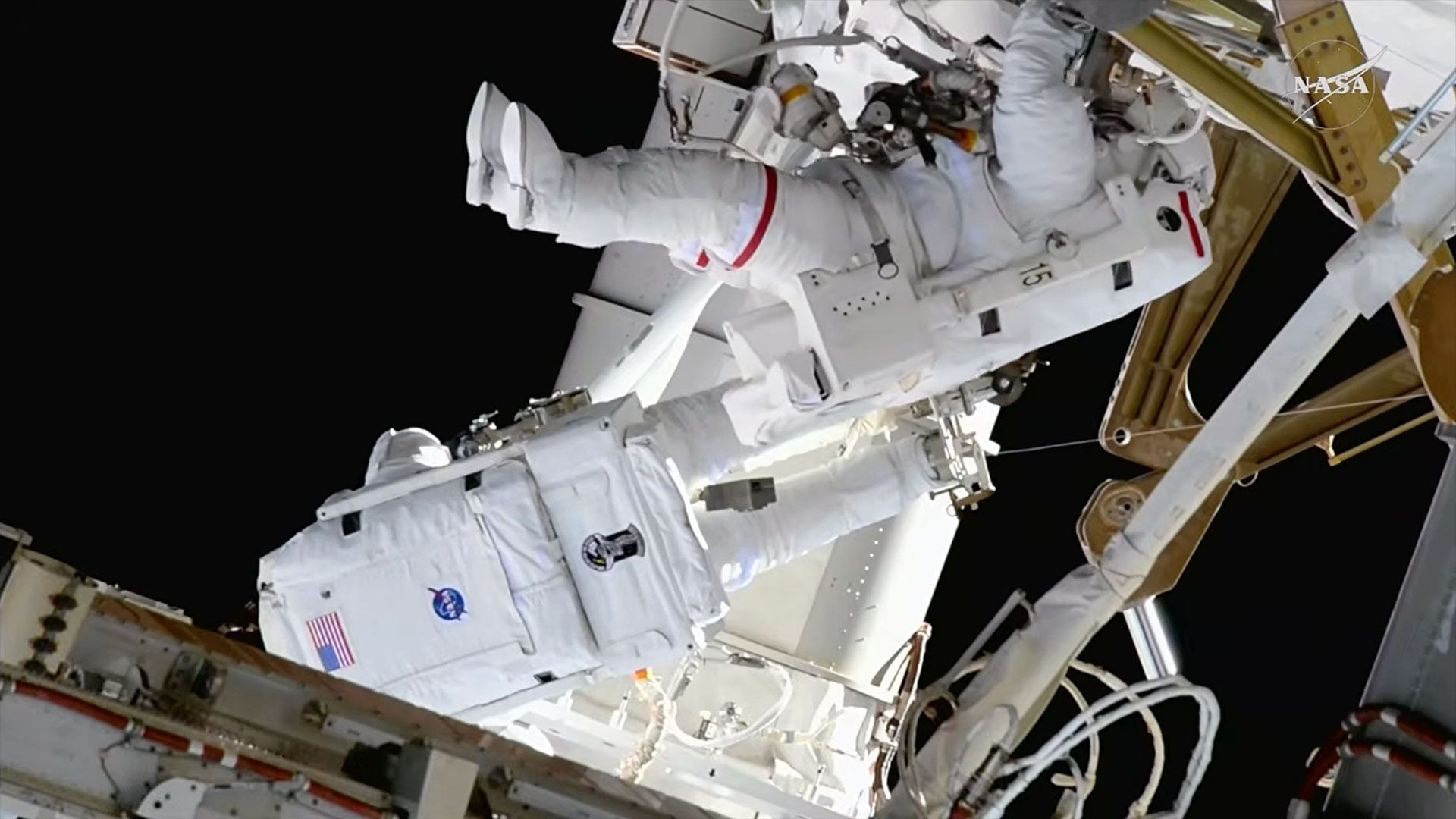
On August 25, 2026, NASA astronaut Anil Menon and ESA astronaut Sophie Adenot ventured outside the International Space Station (ISS) to finish installing a critical communication…
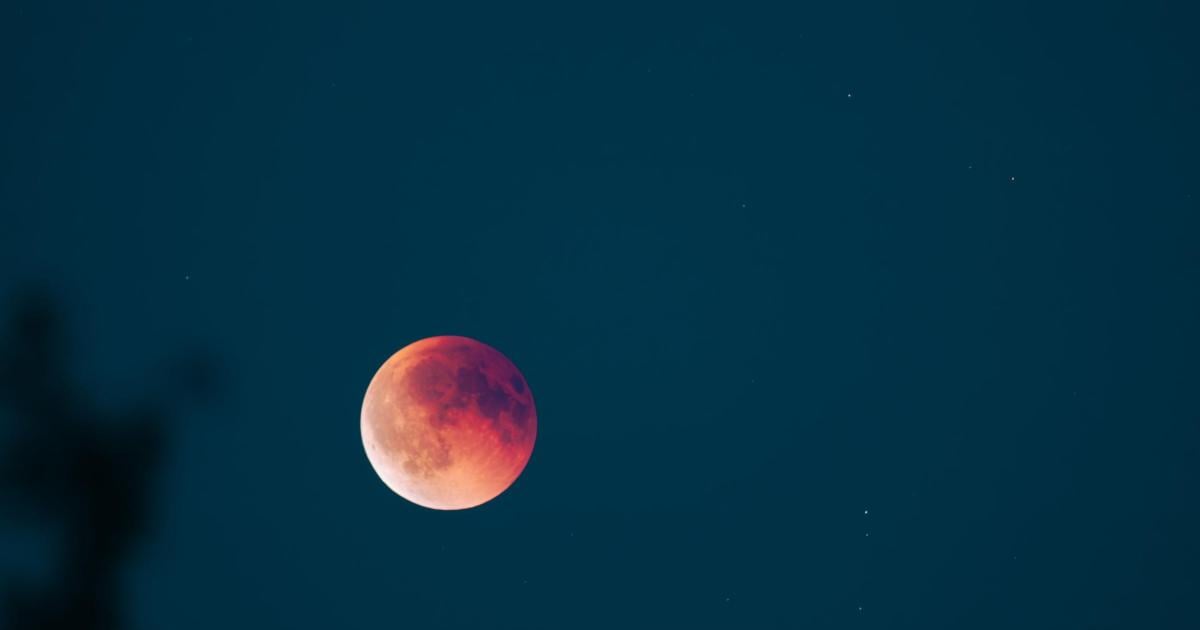
North American stargazers and early-rising British observers can view a rare partial lunar eclipse in the early hours of Friday, August 28, 2026.
We use cookies to run this site, measure traffic and — with your consent — to personalize ads. See our Cookie Policy.