
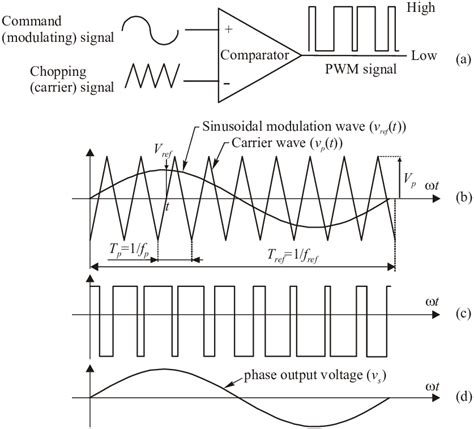
A new study published in the Proceedings of the National Academy of Sciences (PNAS) reveals that genes within the cell nucleus operate through an optimal switching principle, exhibiting random fluctuations at any given moment while maintaining precise control on average. This discovery suggests that cells utilize a mechanism analogous to pulse-width modulation, a technique used by engineers to regulate systems by rapidly alternating between “on” and “off” states.
The research, conducted by an international team including Professor Gašper Tkačik and Postdoc Alexis Bénichou from the Institute of Science and Technology Austria (ISTA), alongside Benjamin Zoller and Thomas Gregor of the Institut Pasteur and Princeton University, challenges long-standing assumptions about how biological processes are governed.
The Pulse-Width Modulation Analogy
To understand the complexity of gene regulation, researchers point to the analogy of an air conditioner. When a room needs to be maintained at a specific temperature, an air conditioner does not simply blow air at a constant, moderate temperature. Instead, it oscillates between being fully “on” and fully “off.” By modulating the duration of these two states, the system achieves a stable average temperature.
The study suggests that cells face a similar challenge. While classical models, such as the “telegraph model,” have long assumed that genes activate in random bursts, it remained unclear why cells would employ such a seemingly inefficient strategy. If a gene requires an activity level of 80 percent, traditional logic might suggest keeping it steadily active rather than flickering between zero and 100 percent. The new theoretical framework explains that while cells cannot dictate the exact timing of each switch, they can modulate the probability of switching to maintain precise functional levels.
The Role of Constant Correlation Time
A central finding of the study is the identification of a “correlation time,” denoted as “Tc.” According to Professor Tkačik, this is a constant characteristic timescale that governs the switching dynamics of genes.
“It remains constant no matter the desired expression level, enabling very precise expression control,” Tkačik explained. This discovery was described by the researchers as a significant surprise, as the existence of a constant correlation time is inconsistent with previously published models of gene regulation. By maintaining this invariant timescale, cells are able to manage gene activity with a level of accuracy that was previously difficult to explain.
Energy Consumption and Non-Equilibrium Dynamics
The study also provides a new perspective on the energetic costs of gene regulation. Classical models have historically described gene expression as a largely passive, equilibrium process, where transcription factors randomly bind and unbind to DNA without consuming energy.
However, the research team found that the constant correlation time observed in fruit fly data cannot be explained by these passive models. Instead, the results suggest that gene switching operates out of thermodynamic equilibrium. This implies that the process is actively powered and requires an investment of energy. The authors note that this energy-driven approach is essential for achieving the high fidelity of gene expression observed in living organisms.
Future Directions in Biological Research
The research team plans to build upon these findings by developing a fully mechanistic, physics-based model. Future work will focus on:
* Experimental Validation: Testing the prediction that gene regulation is a non-equilibrium, energy-consuming process.
* Molecular Mechanics: Investigating whether the observed stochastic on-off dynamics are caused by the physical positioning of gene regulation on the DNA polymer.
* Systemic Impact: Evaluating how these molecular-scale dynamics give rise to the highly precise gene-expression patterns observed across an entire organism.
By shifting the paradigm toward an energy-dependent model of gene control, this study offers new insights into cellular function, development, and the origins of biological complexity.

Find more reporting in our Science section.
Worth a look

President Daniel Chapo Urges Global Action on Climate Justice
Mozambican President Daniel Chapo called for strengthened international climate justice measures at a Maputo conference on October 14.

CHIME Telescope Detects Early Universe Hydrogen Signal Independently
Using only its own data, the Canadian Hydrogen Intensity Mapping Experiment (CHIME) telescope in British Columbia detected a...

NASA’s Perseverance Rover Breaks Opportunity’s Mars Mileage Record
NASA’s Perseverance rover has set a new off-world driving record on Mars, surpassing the mileage of its predecessor...

NASA and SpaceX to Launch Cargo and Solar Arrays to Space Station
NASA and SpaceX are targeting Tuesday, October 13, for the launch of the 35th commercial resupply mission to...