
University of Hull Lab Tests Reveal Duct Tape Outperforms Sandbags in Flood Defense
In controlled laboratory trials conducted at the University of Hull, researchers discovered that applying standard duct tape to the exterior of household doors reduced water leakage by 97 to 98 percent. Stuart McLelland, Deputy Director of the Energy and Environment Institute at the university, reported that the simple, low-cost measure dramatically cut down the volume of water entering a property during simulated flood conditions.
The study evaluated modern wooden, uPVC, and composite household doors installed by trade professionals. Researchers placed the doors inside a sealed laboratory enclosure and raised water depth in 5-centimeter increments up to a maximum depth of 60 centimeters. For unprotected doors, leakage frequently reached thousands of liters per hour at the maximum depth. Applying duct tape across the external door slashed those figures by 97 to 98 percent.
Research also noted that a flexible synthetic rubber tape performed slightly better, at about 99 percent, while specialist sealing tapes achieved even greater reductions. The tests also revealed that doors that open outward performed better than doors that open inward.
Sandbag Performance and the Economic Reality of Emergency Response
For decades, sandbags have been portrayed as the go-to emergency response for property owners facing rising water. However, the University of Hull tests highlighted significant practical shortcomings in traditional sandbag deployments. Researchers stacked 54 sandbags with plastic sheeting placed between the door and the sandbags during evaluation trials. At their most effective, the sandbags only reduced leakage by 70 percent compared to an unprotected door at the same water depth.
Beyond performance metrics, sandbags present logistical hurdles. They are heavy to transport, labor-intensive to deploy, and difficult to dispose of after contact with contaminated floodwater. Most households do not keep a ready supply of sandbags on hand. By contrast, a roll of duct tape costs €10 or less and is already stored in many household utility drawers or kitchen cabinets.
In the laboratory trials, it took about 10 to 20 minutes to apply the tape to each door. The cost difference between hauling heavy sacks and sealing gaps with adhesive strips is striking, though researchers emphasize that temporary tapes cannot replace permanent flood protection.
Limitations and the Wider Scope of Property Resilience
While the laboratory data confirms that sealing gaps prevents significant threshold seepage, experts caution against viewing adhesive tape as a comprehensive flood defense. McLelland pointed out that duct tape cannot replace a tailored property flood resilience plan, professional barriers, or specially designed flood doors.
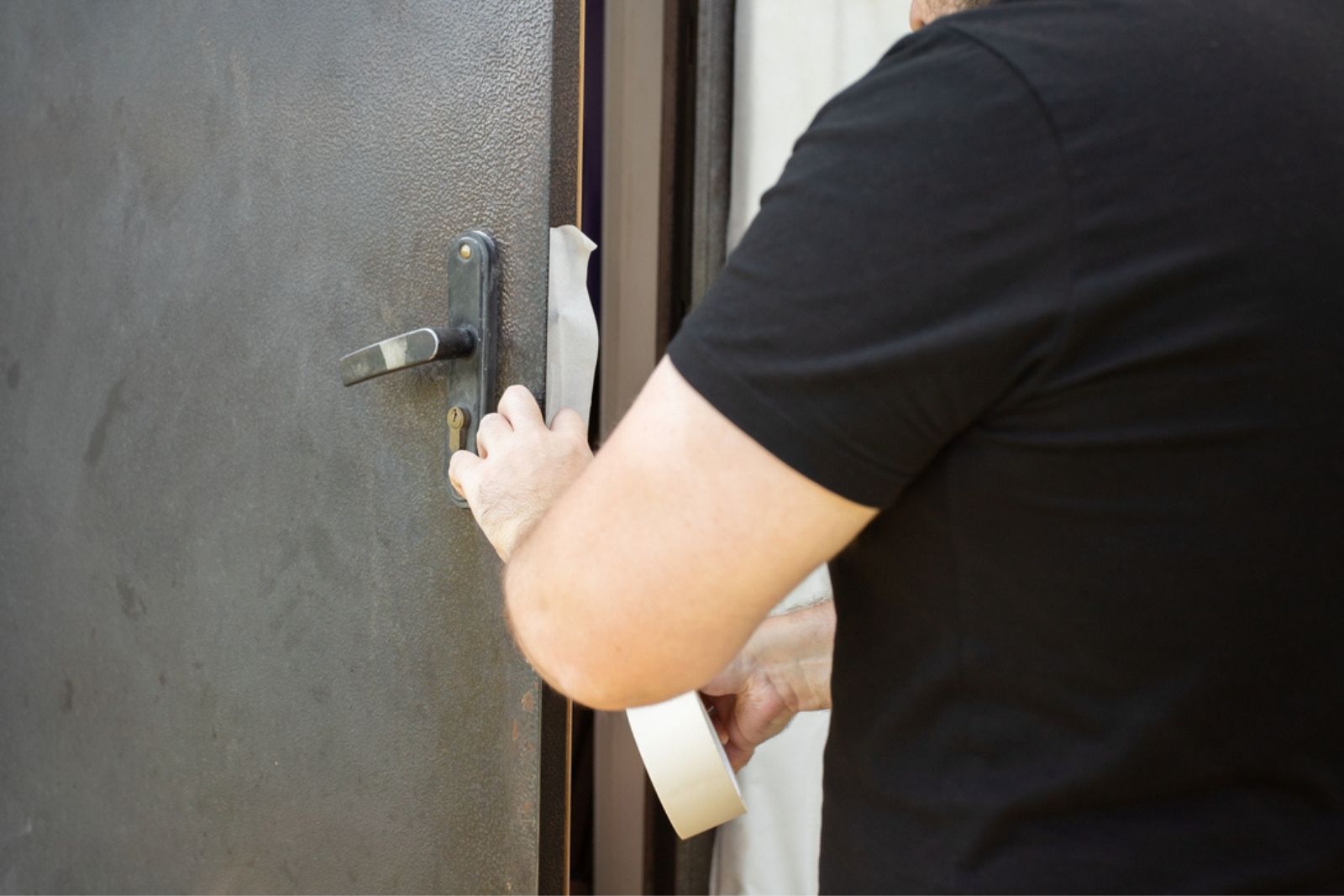
Water can still penetrate a home through vulnerable walls, floors, drains, and other routes that tape cannot reach. How well the seal works relies on flood conditions, the quality of the seal, the specific surfaces receiving the tape, and the overall condition of both the frame and door. For properties at significant flood risk, professionally assessed protection remains important.
For other homeowners, however, low-cost temporary measures provide an additional layer of protection. Resilient households think ahead, including monitoring flood warnings, protecting valuables, moving vehicles, and shutting off utilities if necessary. Adding a roll of duct tape to an emergency flood kit represents a minor step in a broader strategy, serving as a practical first line of defense when storms approach.

ESCAP CSD9 Session Tackles Poverty and Social Protection in Asia-Pacific
Ministers and ESCAP Convenes Ninth Session on Social Development As Mirage News noted, top policymakers, ministers, and specialists...

Democrats Seize Control of US Senate and House in Major Midterm Victory
The Democratic Party has captured control of the U.S. Senate, riding a national wave of support that saw...

Democrats projected to win US House majority as economic issues drive shift
Democrats Seize House Majority as Economic Frustration Drives Midterm Shift Democrats are poised to reclaim control of the...

Brunei Reaffirms Commitment to Regional Food Security at 48th AMAF Meeting
Brunei Targets Net Exporter Status via Agro-Tech and Trade Shifts Brunei Darussalam is pivoting its economic strategy to...