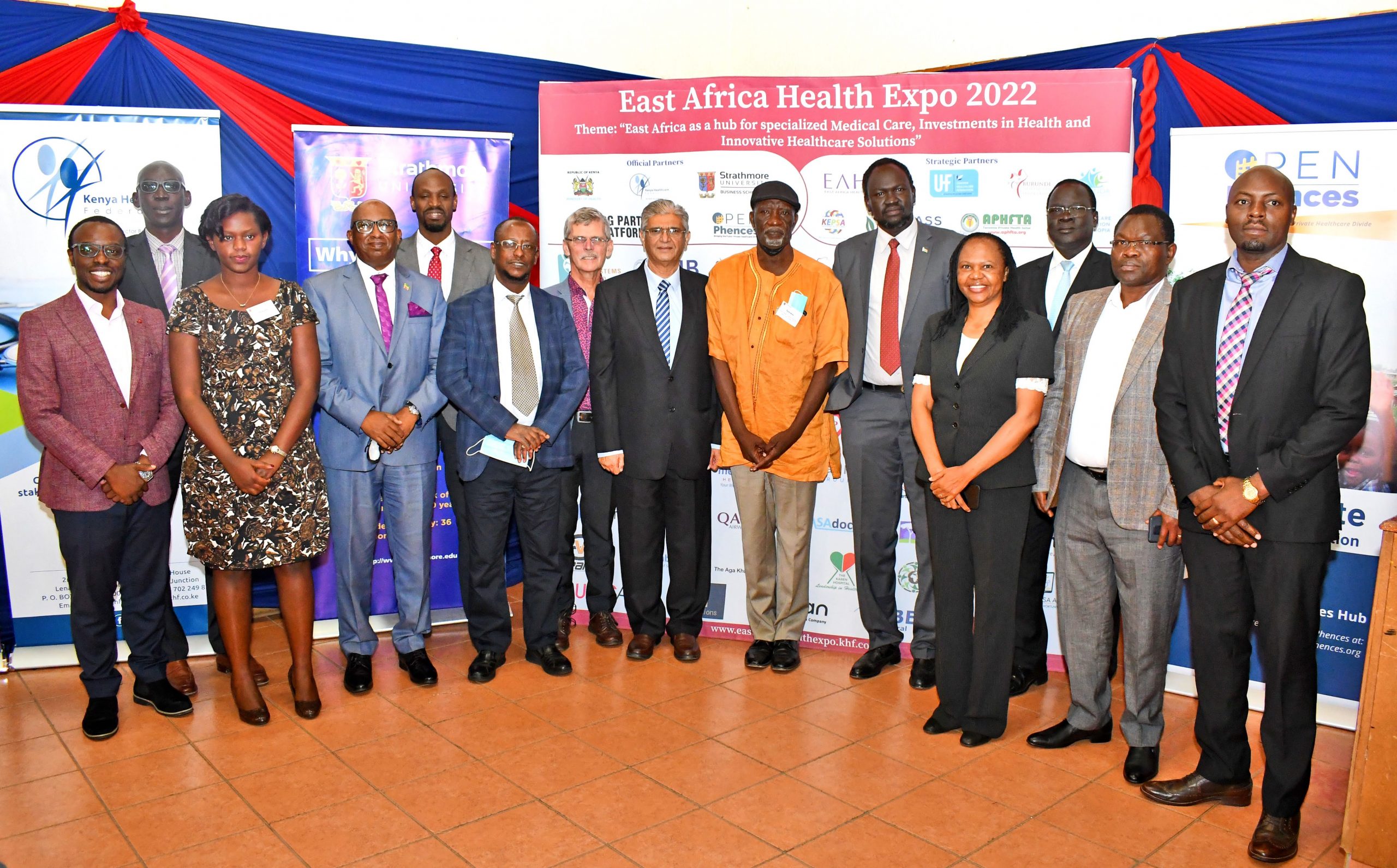
East African countries are actively seeking to position the region as a medical tourism destination by linking healthcare systems, sharing specialized expertise, and establishing common standards to boost patient confidence, according to China Daily. Health leaders and private sector representatives gathered in Addis Ababa, Ethiopia, during a side event at the 13th East Africa Healthcare Federation Conference and International Exhibition to discuss turning existing medical tourism components into a cohesive regional proposition through stronger cooperation, investment, and easier cross-border movement.
East African Health Leaders Push for Regional Medical Hub
During the conference, stakeholders highlighted that individual countries often lack the necessary population base to sustain expensive centers of excellence. Regional cooperation is viewed as a solution to mobilize required technology, capital, and expertise. Highlighting lessons learned from the COVID-19 pandemic, leaders emphasized that depending on overseas destinations carries risks when international borders close unexpectedly, making local capacity essential for both medical tourism and overall health system resilience.
Health Sovereignty and Strategic Priorities
The Intergovernmental Authority on Development (IGAD) called for a fundamental shift toward health sovereignty, urging governments and the private sector to move from dependency to capacity. According to IGAD, IGAD Executive Secretary Dr. Workneh Gebeyehu stated at the conference at the Adwa Victory Memorial Museum that health sovereignty serves as an absolute bedrock of national sovereignty.
The conference, organized under the theme Resilience: Building the East African Health Economy,
focused on four core pillars:
- Excellence in health service delivery
- Local manufacturing and supply security
- Investment and health financing
- Regional integration and trade
To support these efforts, IGAD is advancing the harmonization of regulatory frameworks to facilitate cross-border trade, strengthening emergency responses, and utilizing the Regional Health Financing Hub to support member states in mobilizing domestic resources and reducing reliance on external financing.
Expanding Infrastructure and Cross-Border Services
The region is working to reduce the number of patients seeking treatment abroad by expanding its hospitals, staff, and specialized services. According to The East African, the bloc plans to offer medical services to patients from countries including Zambia, the Democratic Republic of Congo, Malawi, South Sudan, Somalia, and Ethiopia, while enabling free movement of services and workers so medical specialists can operate across East African Community countries.
Private healthcare providers are expanding their footprints to meet this demand. The India-based Mediheal Group of Hospitals operates in Kenya across Eldoret, Nakuru, and Nairobi Counties, has entered the Rwanda market, and plans future operations in Ethiopia, Zambia, and Uganda. Anup Dinesh Das, group CEO and managing director of Mediheal Hospitals, noted that the group aims to prevent patients from traveling to India, South Africa, or the US.
National Strategies and Patient Inflows
Individual nations are implementing specific measures to capture the growing medical tourism market. Ethiopia views medical tourism as a high-value market, having developed a 10-year medical tourism and wellness model and considering longer-term, multiple-entry medical visa arrangements to improve accessibility, as reported by China Daily. Meanwhile, Egina Francis Makwabe, president of the Association of Private Health Facilities in Tanzania, emphasized the need for quality care at competitive prices and a regional platform to help patients easily identify available hospitals and specialties.
Data indicates substantial existing patient flows within the region. Kenya’s Tourism Sector Performance Report 2024 recorded 7,944 arrivals from the East African Community for medical reasons. Kenya has actively positioned itself as a medical hub, anticipating over 2,000 patient visits per month from other East African countries, an increase from 1,300 monthly patients previously. These patients seek specialized care such as in vitro fertilization, open-heart surgery, cancer treatment, kidney transplants, and neurological services.
Related reading

Mary Chia Holdings Admits Disclosure Lapses Over Subsidiary CPF Arrears
Cash-strapped Singapore beauty group Mary Chia Holdings has admitted to disclosure lapses, omitting court proceedings and Central Provident...

Assessment: China Local Government Debt Hit 10 Trillion RMB by End of 2024
Municipal financial obligations reached 10 trillion RMB (US$1.37 trillion) at the close of 2024, representing about 7 per...
PM Modi and CM C. Joseph Vijay Launch Multiple Development Projects in Tamil Nadu
Prime Minister Narendra Modi arrived in Chennai on October 11, 2026, to launch development projects exceeding ₹13,000 crore...

US Inflation Expected to Rise in September on Higher Gasoline Prices
Higher gasoline prices pushed overall US inflation up 0.6% in September, while core price pressures continue a gradual...