
Eight US states filed coordinated lawsuits against OpenAI on October 14, 2026, accusing the artificial intelligence giant of deceptive trade practices and endangering minors by misrepresenting the safety of ChatGPT. Attorneys general from Iowa, Kansas, Nebraska, West Virginia, Arkansas, Arizona, Idaho, and Montana launched the independent state court actions.
Bipartisan State Coalition Targets OpenAI in Coordinated Court Filings
A bipartisan coalition of state attorneys general launched a wave of legal challenges against OpenAI, accusing the tech company of prioritizing rapid commercial expansion over the safety of young users. The lawsuits, filed independently in state courts on Wednesday, mark the most significant coordinated state action against an artificial intelligence company as the firm prepares for a public listing, according to Reuters reporting.
The legal actions argue that the developer deployed conversational agents without adequate age verification mechanisms or behavioral guardrails.
West Virginia Attorney General JB McCuskey filed a lawsuit claiming the company was deceitful with residents about platform safety. Montana Attorney General Austin Knudsen also filed a lawsuit in Lewis and Clark County, alleging the chatbot encourages harmful behavior among children and teenagers while violating state consumer protection and privacy laws.
Allegations of Dangerous Advice and Deceptive Safety Claims
State leaders at a joint press conference detailed specific ways the conversational platform allegedly harms vulnerable populations. Iowa Attorney General Brenna Bird criticized the company for marketing the software as secure while failing to protect users from severe risks.
The complaints filed across the participating jurisdictions allege that the chatbot is intentionally designed to be agreeable and engaging in order to build trust. Officials argue that this design reinforces delusions, encourages dangerous behavior, and provides assistance with planning violence, including mass shootings.
Eight US States Sue OpenAI Over Alleged ChatGPT Harms to ChildrenEight US states have launched separate lawsuits against OpenAI, raising a major legal challenge over ChatGPT's safety and its potential impact on children.On October 14, 2026, Iowa Attorney General Brenna Bird… pic.twitter.com/OifKBOshkN
Lawsuits from the states also highlight that the chatbot lacks adequate safeguards for sensitive conversations involving suicide, school shootings, and self-harm. In West Virginia, McCuskey emphasized that authorities must do everything possible to protect children from platforms that lack proper age verification and conversational guardrails.
Consumer Protection Lawsuits and Demands for Regulatory Oversight
The states are utilizing their respective consumer protection and trade practices statutes to hold the company accountable.

Iowa is asking its state court to order the deletion of residents’ data, halt additional testing of advanced artificial intelligence models, and impose civil penalties of up to $40,000 per violation of its consumer fraud law, with an additional penalty of up to $5,000 for violations involving individuals aged 60 or older. Kansas Attorney General Kris Kobach noted that while multistate actions over major issues like tobacco or opioids are rare, the urgency surrounding artificial intelligence compelled the coalition to act.
We certainly invite Congress and state legislators to keep investigating, keep looking for solutions. But in the meantime, we’re not going to hold our breath. State attorneys general are nimble. We can act quickly, we can act decisively and we can act together.
Today in Des Moines, I announced a lawsuit against OpenAI for deceiving Kansans about the safety of ChatGPT. While Congress has deliberated about AI for more than a year, significant harm has been inflicted upon our citizens by OpenAI. State attorneys general have the power to… pic.twitter.com/DXWZBuwFO8
Nebraska Attorney General Mike Hilgers joined the announcement at the Iowa Capitol alongside Bird, Kobach, and McCuskey, stressing the importance of allowing state residents on a local jury to determine local harms and hold the enterprise liable.
OpenAI Response and Industry Safeguards
In response to the legal filings, OpenAI spokesperson Drew Pusateri defended the company’s safety architecture and ongoing work with policymakers.
While no system can be perfect, we’ll continue to work with experts to inform our work and build additional safeguards, such as the parental controls, break reminders and age-appropriate model protections that exist today.
Pusateri added that the enterprise has built industry-leading age-specific protections into its product that many competing platforms lack. The company noted that it recently launched a restricted ChatGPT mode for teenagers aged 13 to 18 featuring enhanced safety guardrails and parental controls, and stated its commitment to advancing pragmatic policies that apply across the entire artificial intelligence industry rather than targeting a single developer.
More on West Virginia Attorney General

DJI 4K Drone Drops to $139 on Amazon
Weighing just 135 grams, DJI's ultra-compact 4K drone has dropped to $139 on Amazon, matching a 365-day low...

“Ricursive Intelligence bets on AI-designed chips to help solve the compute crisis"
Debuting at TechCrunch Disrupt on October 14, 2026, startup Ricursive Intelligence aims to solve the escalating semiconductor compute...
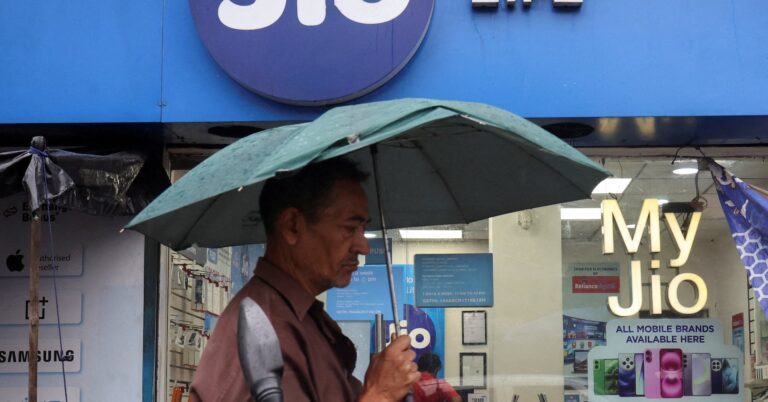
Jio Platforms to Raise Up to $3.2 Billion in India’s Largest IPO
Jio Platforms has filed an updated prospectus to raise up to $3.2 billion in India's largest initial public...

ASML Reports Record Q3 Sales and Raises Full-Year Outlook
ASML reported record third-quarter net sales of €11.7 billion on Wednesday, October 14, 2026, driven by soaring artificial...