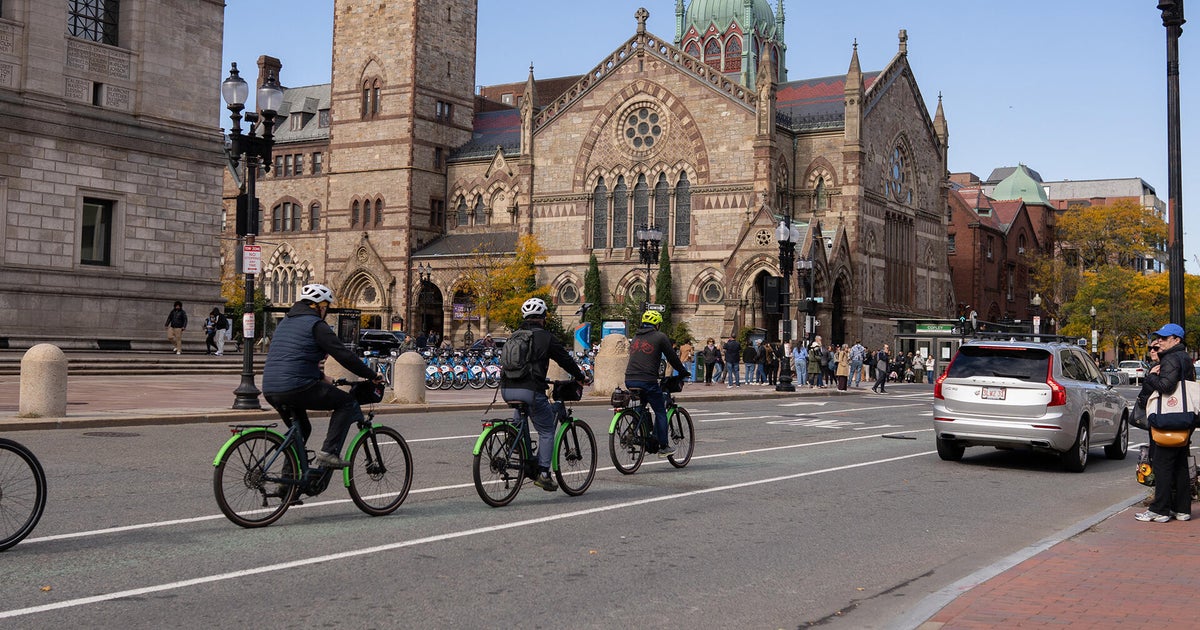
We know all of you want to make sure no other family in Boston has to suffer the loss that we have,
Emily Gag told Boston’s City Council on Thursday, standing before lawmakers to demand immediate street safety improvements after her sister was killed while riding a bicycle in Mission Hill.
Louisa Gag, a bike activist and transportation planner for the city of Boston, was struck and killed by a truck while riding on city roads, prompting her family to bring concrete policy demands straight to municipal leaders.
Pushing Beyond Paint for Protected Infrastructure
In the wake of the tragedy, city officials outlined potential infrastructure overhauls currently under research, including the expansion of a dedicated bike network designed to physically separate riders from heavy motor vehicle traffic.
Well, basically, it’s a bike lane that is away from vehicle traffic in case cars make the mistake of going into the bike lane, they will not hurt or injure our bicyclists,
said Peter Cheung, a Boston bike advocate who attended the City Council meeting.
Cheung emphasized that a truly effective network requires physical barriers rather than simple pavement markings. Anything with barrier protection: concrete, poles, cars, anything better than paint,
he noted.
Boston’s ongoing efforts align with the broader goals of the Go Boston 2030 plan, which targets network upgrades in high-crash corridors and critical missing links connecting residents to major destinations.
Chris Osgood, Boston chief of streets, pointed to measurable progress from past investments. Since this work has started taking annual bike counts since 2016, [we have seen a] 60% increase in ridership, and a 23% reduction in bike-related crashes,
Osgood said.
Boston Evaluates Regulatory Interventions for Large Commercial Trucks
Beyond physical bike lanes, the city’s Parking and Curb Management team is utilizing a data-driven approach to examine truck density, roadway bottlenecks, and collision sites across the municipality.
Mapping out exactly where, when, and how logistic activity is happening across Boston right now,
explained Amelia Capone, director of Parking and Curb Management.

The team is actively evaluating regulatory interventions for large commercial trucks. Proposals include dynamic pricing structures and smart loading zones designed to encourage businesses to schedule freight deliveries during off-peak overnight hours.
City Councilor Ed Flynn noted that similar delivery models have succeeded in New York City, where overnight freight scheduling helps prevent massive commercial vehicles from blocking sightlines and bike lanes by double-parking during daytime rush hours.
Street officials are also exploring municipal governance options to regulate private contracted trucks operating within city limits, alongside the potential implementation of delivery lockers and microhubs—centralized neighborhood locations where residents and logistics companies can manage package handoffs on foot, by car, or via smaller utility vehicles.
Worth a look
Darrin Camilleri and Roger Hauck React to New Michigan Senate Leadership
Darrin Camilleri Elected Michigan Senate Majority Leader After Democratic Midterm Sweep Voters sent a clear message on Tuesday....

RiverWoods teams sponsor Alzheimer’s Association walks in NH
RiverWoods Communities Step Up for 2026 Walk to End Alzheimer's in New Hampshire When the Central New Hampshire...

Carson Wentz to Start for Vikings Against Bills as Kyler Murray Deals With Hamstring Injury
Another week brings another backup quarterback challenge for the Buffalo Bills defense as they prepare for a high-stakes...

Bowie State Celebrates Senior Day Against Lincoln University
Bulldogs Return to Bulldog Stadium for 2026 Regular Season Finale Bowie State football returns home on Saturday, Nov....