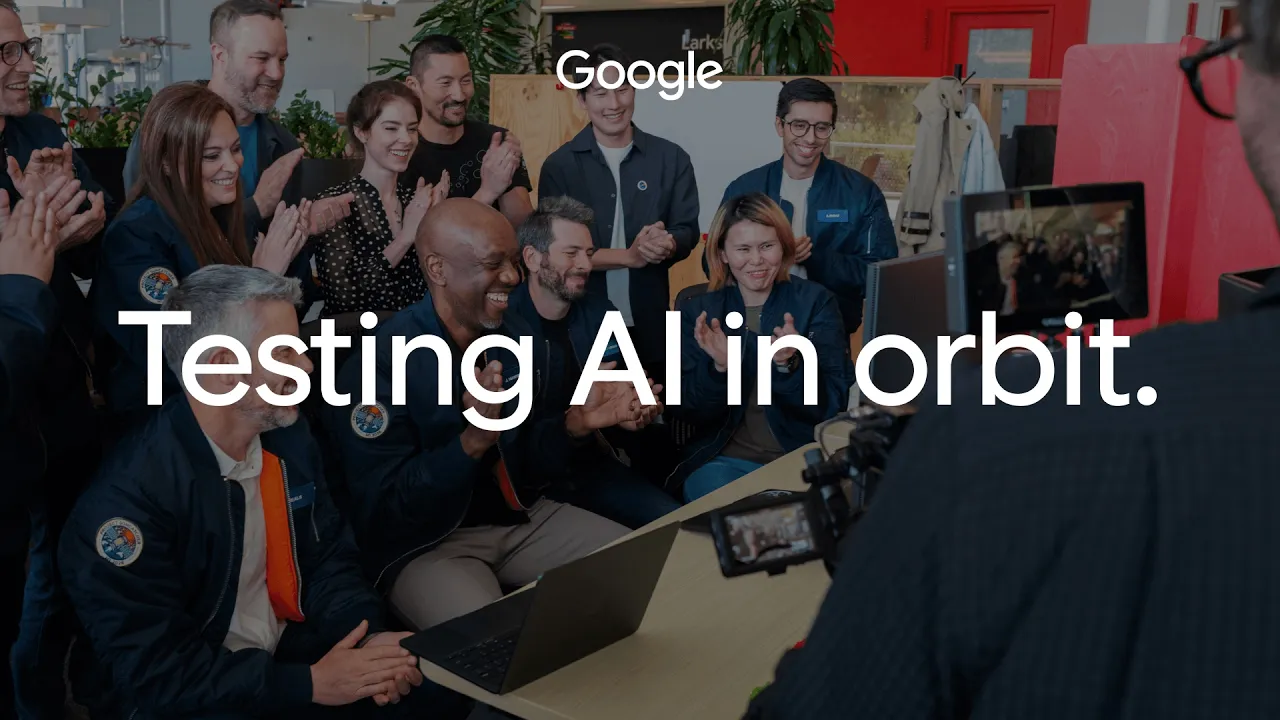
Google successfully operated an artificial intelligence model aboard a prototype satellite in orbit, receiving a computer-generated haiku back on Earth. The October 30 announcement marks a milestone for Project Suncatcher, an experimental research initiative exploring powering AI compute in space.
The space-bound test utilized an open-source AI model, Gemma 4, running on a custom Tensor Processing Unit housed within a spacecraft launched on October 1 aboard a SpaceX rocket. As the satellite crossed over a ground station in Svalbard, Norway, ground researchers received a three-line poem transmitted straight from orbit.
Project Suncatcher Delivers First Orbital AI Response
Engineers spent about three weeks completing a commissioning checklist before attempting the test. That preparation involved powering up the host and TPU trays while executing preliminary machine learning diagnostics. During a subsequent ground pass, the team uplinked a prompt asking the onboard model to generate a haiku about being in space.
After years of research, Project Suncatcher is scheduled to embark on its first test in orbit, launching a prototype satellite to evaluate how Google Tensor Processing Units (TPUs) perform in space. Learn more about the science behind this moonshot. ⬇️ https://t.co/GGTH2tZOHZ
Blue marble belowData streams in silent graceStarlight feeds my core.
Gemma 4 model
Following that initial transmission, the research team tested space-themed limericks and telemetry prompts designed to report the technical status of the payload systems. Travis Beals, who leads Project Suncatcher, assessed the hardware performance by stating that our chips have officially earned their space wings
.
Power Constraints and Technical Hurdles in Low Earth Orbit
The prototype spacecraft carries four custom Tensor Processing Units and generates up to 1 kilowatt of electrical power using solar energy. The prototype satellite can only operate one TPU at a time. Google’s research explores a network architecture involving closely coordinated satellite formations and high-bandwidth optical connections to manage larger workloads.
Operating hardware beyond the atmosphere introduces severe engineering obstacles. Google is testing a cooling method that combines heat pipes and heat sinks. Radiation exposure also presents a constant hazard, as cosmic radiation can cause errors in chips and memory, and repairing or replacing malfunctioning equipment is difficult.
The Growing Competitive Landscape for Orbital Data Centers
Terrestrial facilities face mounting land and electricity constraints, prompting technology firms to examine space-based installations where solar panels can harness energy. Photovoltaic arrays in select orbital paths can capture as much as eight times more yearly solar power compared to ground installations situated at mid-latitudes.
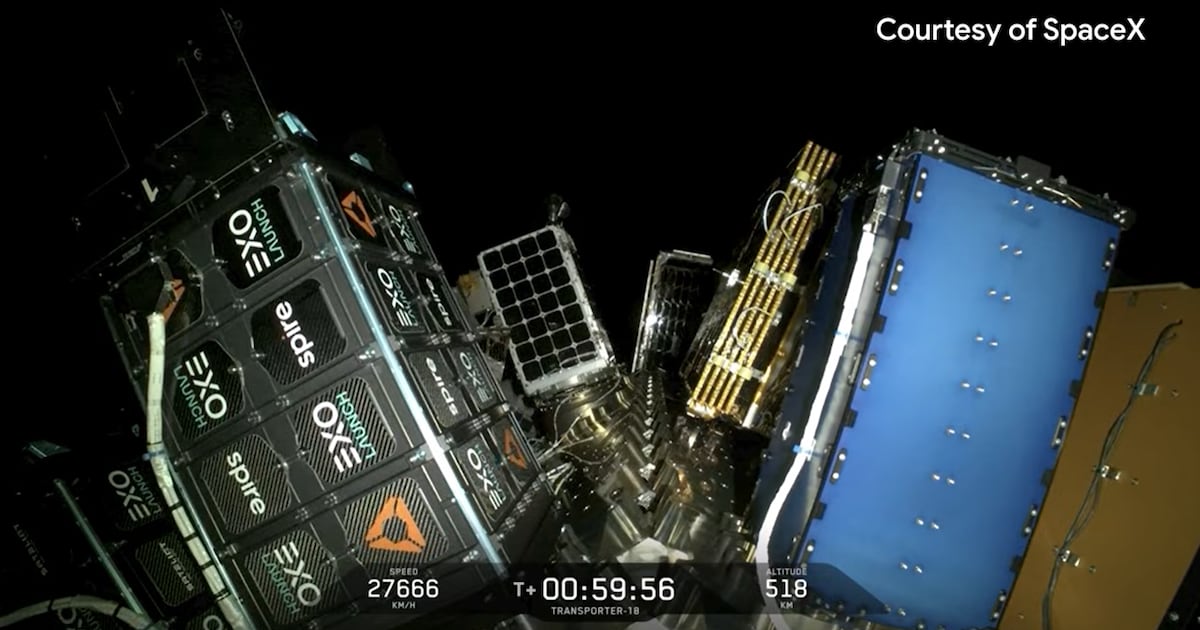
Sharing the milestone on X, formerly Twitter, CEO Sundar Pichai wrote that the effort represents a ‘hello world’ milestone for the research initiative, adding that the team successfully sent a command up to orbit, booted up the TPU, ran the prompt, and received the first complete response back on earth. Google developed the spacecraft in partnership with Planet, launching the hardware aboard SpaceX’s Transporter-18 rideshare mission.
Industry leaders hold sharply conflicting views on commercial viability. SpaceX CEO Elon Musk argued at the World Economic Forum that within two to three years, space will be the cheapest place to run AI
. Conversely, OpenAI CEO Sam Altman dismissed the concept during an event in India, calling the idea of building data centers in space under current conditions is absurd
due to launch expenses and the difficulty of repairing failed hardware.
- Starcloud-1: A startup backed by NVIDIA launched Starcloud1 in November last year, equipped with NVIDIA’s H100 graphics processing units.
- SpaceX: Alphabet, the parent organization of Google, maintains a substantial financial commitment in SpaceX, demonstrating that the strategic goals of both enterprises intersect closely.
Industry leaders have differing views on the timeline for realizing space data centers. For the time being, the competition is expected to remain one of technology demonstration.
Next Steps and Planned Tests for 2027
Upcoming evaluations by Google will involve sequential testing cycles to measure TPU endurance against orbital radiation and thermal fluctuations. If those trials succeed, the initiative will move toward its next major milestone: twin interconnected satellites in 2027.

Drinking tea may help protect your heart, but there’s a surprising catch – Science Daily
How a Massive Nine-Year Study Links Daily Tea Consumption to Vascular Health Pouring a warm cup of tea...

Four people died after entering a waste chamber at a private hotel in Ujjain late Saturday
Four people died after entering a waste chamber at a private hotel in Ujjain late Saturday, according to...
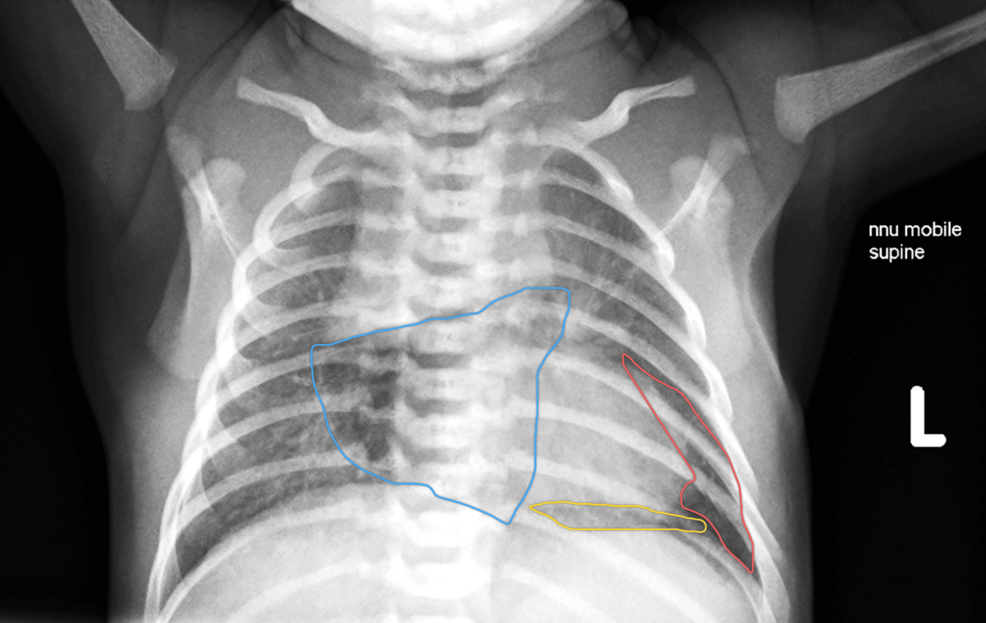
Concurrent Neonatal Pneumothorax, Pneumomediastinum, and Pneumopericardium: A Case Report of Multi-Compartment Air Leak Syndrome
When a routine neonatal check turns up a rare triple air leak without sending an infant into acute...

Empowering Women as Knowledge Creators through Open Education Initiatives
When Tri Astari addressed the Open Education Conference 2026 (OpenEd26) on October 27, 2026, she highlighted that increasing...