The Closing Sprint in Georgia’s Senate Showdown
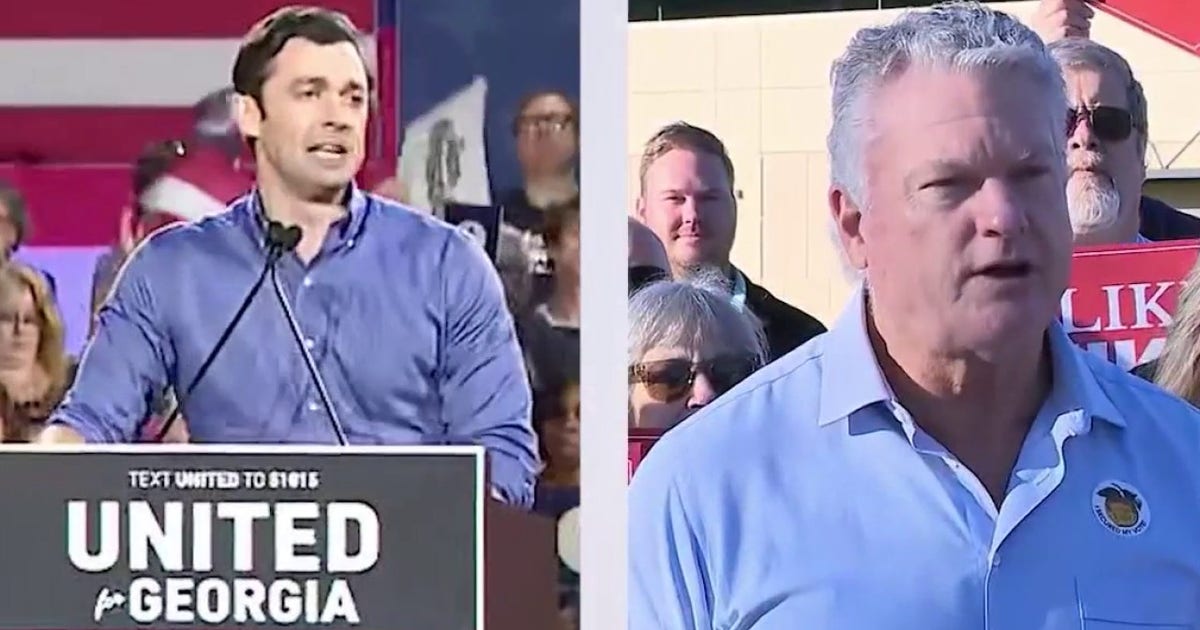
The final hours of the 2026 campaign cycle have arrived in Georgia, with record-shattering early voting numbers signaling a massive turnout for the U.S. Senate race between incumbent Democrat Jon Ossoff and Republican challenger Mike Collins. As of Monday, state data confirmed that more than 2.8 million voters had already cast their ballots, setting a new benchmark for participation before Election Day even begins.
Ossoff or Collins, Georgia loses either way. 🗳 On Nov 3rd, all eyes are on the Senate race. The American Communist Party recognizes the truth: both parties serve the Epstein class. Neither serves the working class. Join the https://t.co/r3hkSge4ly and build a real alternative. pic.twitter.com/uH2E09DVB7
The stakes for this seat are significant, as the winner will shape federal policy on everything from healthcare and infrastructure to national security and judicial appointments. For both campaigns, the message in these final hours has been one of urgent mobilization, as they attempt to secure the last remaining undecided voters in a state that has become a perennial battleground.
Ossoff’s Push for Legislative Continuity
Senator Jon Ossoff, who made history in 2021 as Georgia’s first Jewish senator, spent his final Monday rallying supporters in DeKalb County. FOX 5 Atlanta reported that the incumbent leaned heavily on his record of legislative oversight and his critique of current national leadership. During his address, Ossoff framed the election as a referendum on federal policy, specifically pointing to concerns over tariff impacts on small businesses and farmers.
Ossoff’s platform, as detailed through his Senate office records, centers on lowering prescription drug costs—including his work on insulin-cap legislation—and expanding rural healthcare access. His campaign has also prioritized federal investment in infrastructure, ranging from broadband expansion to the modernization of Georgia’s ports and airports. According to his sponsored legislation record, much of his recent tenure has focused on bipartisan efforts regarding border security and the investigation of government abuse within the postal system and foster care programs.
Collins’ Call for a Conservative Shift
Republican Representative Mike Collins, who has represented Georgia’s 10th District since 2023, took a different approach, maintaining a brisk, multi-city tour that spanned from Buckhead to Savannah. Collins, a former trucking company president, has centered his campaign on business-driven conservative policies and an “America First” agenda. As noted by Atlanta News First, he has been a vocal proponent of cutting federal regulations and fostering an economic environment he argues will lower costs for families.
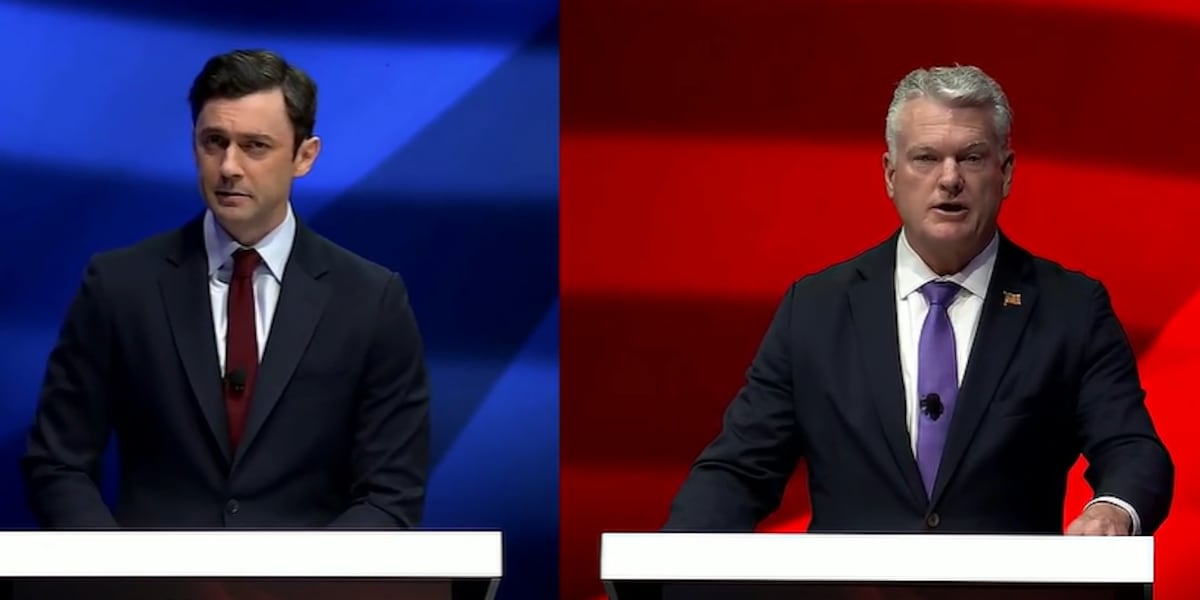
His legislative background, documented in his official member profile, highlights his focus on workforce development, particularly through the Aviation Workforce Development Act, which aims to expand the utility of 529 college-savings accounts for technical training. On the campaign trail, Collins has drawn a sharp contrast with the incumbent, accusing Ossoff of aligning with the more progressive wing of the Democratic Party. He has campaigned on a platform of mass deportations, stricter border enforcement, and a reduction in what he describes as “unchecked foreign spending.”
The Economic and Political Divide
The disparity between the two campaigns is stark, particularly when looking at their financial footing. Reports indicate that Ossoff enters the final hours with roughly $26 million in his war chest, holding a substantial fundraising advantage over Collins, who has collected less than $1 million during this cycle. Despite this, Collins remains adamant that his campaign is within striking distance, telling supporters that Georgia is fundamentally a red state and that the final push is all about turnout.
“This race is close. All the races are close. I need your help,” Collins told supporters during his Monday tour.
The candidates hold fundamentally different views on the role of the federal government. While Ossoff advocates for targeted federal investment in clean energy and public services to stimulate long-term economic growth, Collins argues that the path to prosperity lies in stripping away regulatory burdens and fostering private-sector competition. This ideological chasm is what voters will ultimately weigh when they head to the polls on Tuesday.
What Happens When the Polls Close
As the clock ticks toward the final tally, the logistical reality of the election takes center stage. Both campaigns have planned watch parties in the Atlanta area to monitor incoming results. Ossoff’s team has kept the location of his gathering private, while Collins is set to join supporters at the Atlanta Marriott Perimeter Center.
Voters who have not yet participated can locate their specific precinct through Georgia’s My Voter Page. With the state having already seen 2.8 million early votes, the outcome will depend on the final surge of turnout on Election Day. Whether the state shifts further toward the Democratic incumbent’s vision of federal oversight or swings toward the Republican challenger’s conservative platform remains the central question that will be answered in the early hours of Wednesday morning.
Related reading

More than 600 Wyoming homes and businesses are one vote away from high-speed internet access, with
More than 600 Wyoming homes and businesses are one vote away from high-speed internet access, with the Wyoming...
Annie Andrews Wins South Carolina Senate First Democrat Since 1998
CHARLESTON, S.C. — A Canadian reporter crossed the border to sit in on a Democrat's election night watch...

Washington voters split on three ballot initiatives: high-earner tax survives, Parents’ Bill of Rights trailing, transgender sports ban leading
With a majority of ballots counted Tuesday night, 58% of Washington voters have rejected Initiative 645, the conservative-backed...

Vermont Not on Track for Lake Champlain Cleanup Despite Nearly $1 Billion Spent
On the last day of August, Jeff van den Noort waded into Lake Champlain up to his ankles...