
Russia secretly agreed to supply Iran with 90 advanced missile launchers for helicopters, according to leaked defense industry documents obtained by a Ukrainian intelligence firm and seen by The Guardian. The deal, codenamed "K-10" in Russian production schedules, shows a deepening military partnership between Moscow and Tehran at a critical juncture.
Leaked documents from Russian defense manufacturer Vympel, reviewed by The Guardian and other outlets, detail a production schedule for 2024-2025 that lists an order for 90 APU-L missile launchers under an export contract designated “K-10.” Separate internal paperwork explicitly identifies “K-10” as Iran. The launchers are designed for the LMUR guided missile, also known as “Product 305,” which Russian forces have used extensively against Ukrainian targets since the full-scale invasion in 2022. The Financial Times, citing the same documents, reported that the agreement was part of a schedule listing seven Russian customers and two foreign buyers, with China ordering 192 APU-305 launchers and Iran the 90 APU-L units.
A Shadow Arms Pipeline, Codenamed and Confirmed
The agreement sheds light on the depth of military cooperation between Moscow and Tehran, a relationship both nations have kept largely out of public view. The documents, obtained by the Ukrainian private intelligence firm Dallas Analytics and shared with news organizations, do not establish whether the launchers were ultimately delivered to Iran. However, a separate production schedule from the documents listing six Yak-130 jet trainers destined for Iran in 2023 is consistent with publicly reported deliveries of the aircraft, lending credibility to the leaked information.
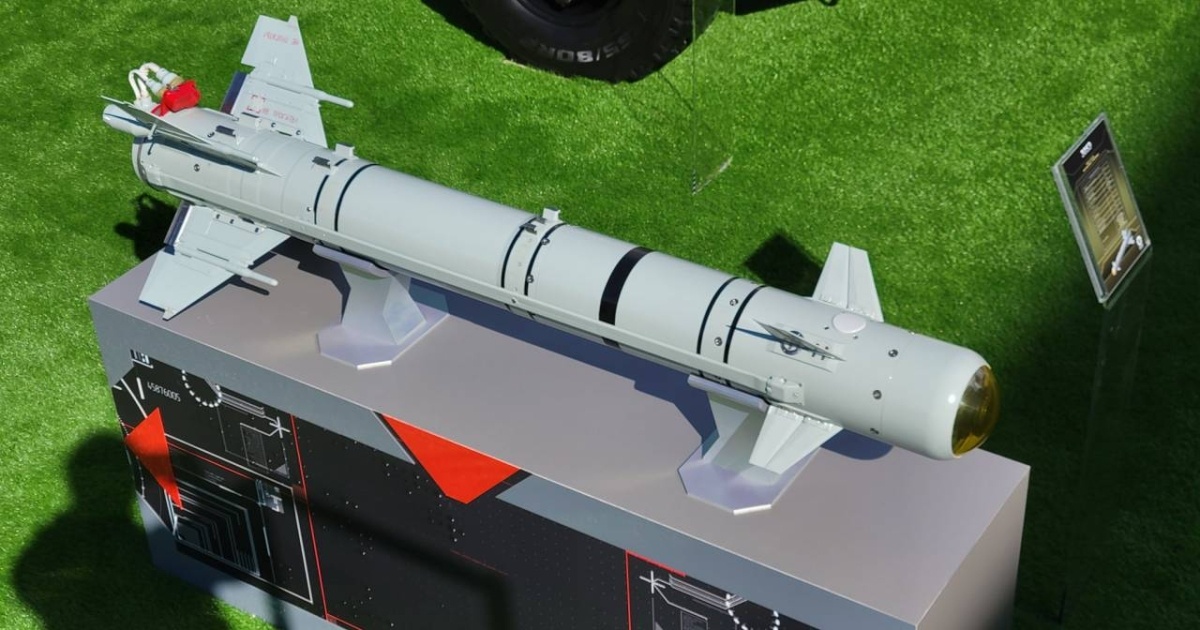
The missile launchers themselves are sophisticated pieces of equipment. The APU-L systems are designed specifically for Mi-28 attack helicopters and can carry two LMUR missiles each. According to Dallas Analytics, as reported by Бабель, the missile travels at a speed of about 230 meters per second and can cover 14 kilometers in just over a minute. Iran has already acquired the Mi-28 helicopters; images published in January 2026 showed the aircraft at an aviation facility in Tehran, following an arrangement confirmed by Iranian officials in November 2023.
Why Moscow is Risking a War on Two Fronts
For Russia, the deal with Iran is a military agreement. Observers widely regard Moscow as one of the main beneficiaries of a prolonged war in Iran, which has brought significant strategic and economic advantages. Russia has capitalized on an increase in global energy prices triggered by disruptions to shipping through the Strait of Hormuz and attacks on energy infrastructure across the Gulf. These higher oil revenues provide the Kremlin with a crucial source of funds to sustain its war effort in Ukraine and ease pressure on its strained budget.
The conflict has also diverted international attention and Western military resources away from Ukraine, further straining Kyiv’s access to crucial US-made Patriot air defense interceptors. The leaked documents themselves reveal the pressures on Russia’s defense industry; a May 2024 letter from Vympel to the KBM design bureau warned that delays in component supplies threatened the assembly of the missile launchers and risked disrupting Russian state defense contracts.
Trump’s Claims vs. The Intelligence on the Ground
The existence of this secret arms deal directly contradicts public statements from US Donald Trump, who has repeatedly played down the extent of Moscow’s support for Iran. Last month, the president wrote that Russia was doing “very little, if anything” to help Tehran, arguing that he did not want to jeopardize potential negotiations to end the war in Ukraine. His claims starkly contrast with findings from European intelligence agencies, which have warned that Russia has provided Iran with key data and satellite images to help it target US forces in the Middle East and was preparing to supply Tehran with explosive-laden drones for use against the US and Israel.
Moscow has officially denied reports that it is supplying military equipment to Iran for use in the current conflict. The two countries signed a strategic partnership agreement in 2025 that includes provisions for countering shared threats, although it stops short of the mutual defense commitments in Russia’s pact with North Korea. Yet, the frequency of high-level meetings tells a different story; in October alone, senior Russian and Iranian officials held three separate meetings, showing the growing importance both governments attach to their relationship. Moscow’s caution in publicizing the partnership appears aimed at preserving its relationship with Trump, even as the cooperation deepens in private.
A Partnership Forged in the Shadow of Ukraine
The military cooperation between Russia and Iran has expanded significantly since 2022, when Tehran emerged as a crucial supplier of Shahed attack drones to Moscow. Russia has since begun manufacturing these drones domestically, a process in which Iran assisted. This latest agreement to supply Iran with advanced missile launchers represents a continuation of this symbiotic relationship. UNITED24 Media notes that this deal reflects a broader pattern, with Russia also secretly assisting Iran in developing supersonic cruise missile technology and selling it Verba portable anti-aircraft systems.

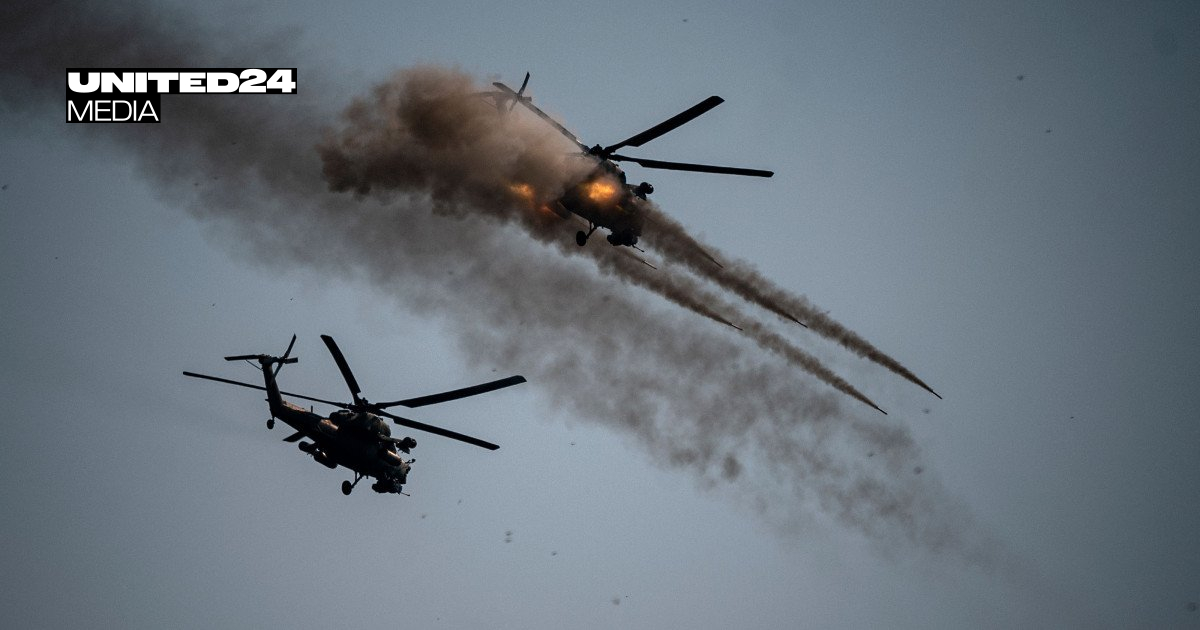
While this partnership provides Iran with advanced weaponry, analysts suggest it has not fundamentally altered the course of the Middle East conflict. However, the operational impact is significant. Nicole Grajewski of the Carnegie Endowment for International Peace assessed that the agreement demonstrated Moscow’s willingness to continue supplying Iran despite its own wartime needs and with less concern about Western objections. The weapons involved are already being used in active combat zones. As Hromadske reports, the Mi-28NM helicopters that carry these launchers have become a prime target for Ukrainian drone units, with Ukraine’s 115th Separate Mechanized Brigade successfully attacking two of the helicopters over Russia’s Belgorod region in a single week in October 2026.
What is clear from the leaked documents is that the arms pipeline between Moscow and Tehran is not a trickle, but a deliberate and structured flow of advanced military technology. The “K-10” contract, now exposed, reveals a partnership that both nations have worked to keep hidden, even as its effects ripple across the battlefields of Ukraine and the Middle East.
Keep reading

Russell Brand Found Guilty of Rape and Sexual Assault
Russell Brand has been found guilty of one count of rape and three counts of sexual assault following...

Australia Tightens Visa Rules to Easier Deport Immigrants Who Might Cause Harm
Immigrants 'Might' Do Harm: Australia Eases Deportation Powers Australia has quietly overhauled its visa character test, making it...
Hoax bomb threats force more than a dozen European flights to divert
A wave of hoax bomb threats forced more than a dozen European flights into emergency landings and military...
Professor Proposes Hubs To Save Indonesian Expertise
Australia’s Indonesian Language Expertise Faces Extinction by 2031 Australia is confronting a quiet but profound collapse in its...