
Rising Concerns Over Social Media-Driven Violence
Public officials and community leaders are increasingly warning that disputes originating on digital platforms are escalating into real-world violence. This trend, which spans across international borders, has prompted concerns among those in government and civil society regarding the impact of hateful rhetoric and online polarization on public safety.
The Link Between Digital Rhetoric and Real-World Harm
The connection between online activity and physical conflict is becoming a focal point for authorities. Research involving focus groups of young people and youth workers suggests that conflicts often migrate from public social media platforms into private channels, including group chats and encrypted services that utilize disappearing messages. In Los Angeles, incumbent Mayor Karen Bass has publicly expressed concern regarding the nature of political advertisements circulating on social media. During a discussion with CNN’s Elex Michaelson, Bass addressed the use of artificial intelligence in campaign visuals, stating that the content is “taking on a violent turn.” She argued that when messages are designed to be hateful or to demonize individuals, they risk provoking unstable people. Similarly, in Australia, authorities have responded to social media posts calling for mob violence. Following a mass shooting at Bondi Beach, posts circulating online began inciting “wog” and “middle east bashing” in the Cronulla area. These digital calls for retaliation drew immediate condemnation from local and state officials, who warned that such rhetoric threatens to undermine social cohesion.
Political Responses and Legal Warnings
Government leaders are taking a firm stance against the normalization of online-driven aggression. In New South Wales, Premier Chris Minns stated that individuals planning to participate in events incited by online hate would be “met with the full force of the law.” He emphasized that authorities would not tolerate “any kind of retribution” or “vindictive counterassault.” NSW Police Commissioner Mal Laydon echoed this sentiment, clarifying that police are monitoring the situation and that appropriate action will be taken against those who engage in violence. Sutherland Shire Mayor Jack Boyd also condemned the calls for mob violence, noting that such actions serve only to make society “weaker and more divided.”
The Complexity of Urban Safety and Public Perception
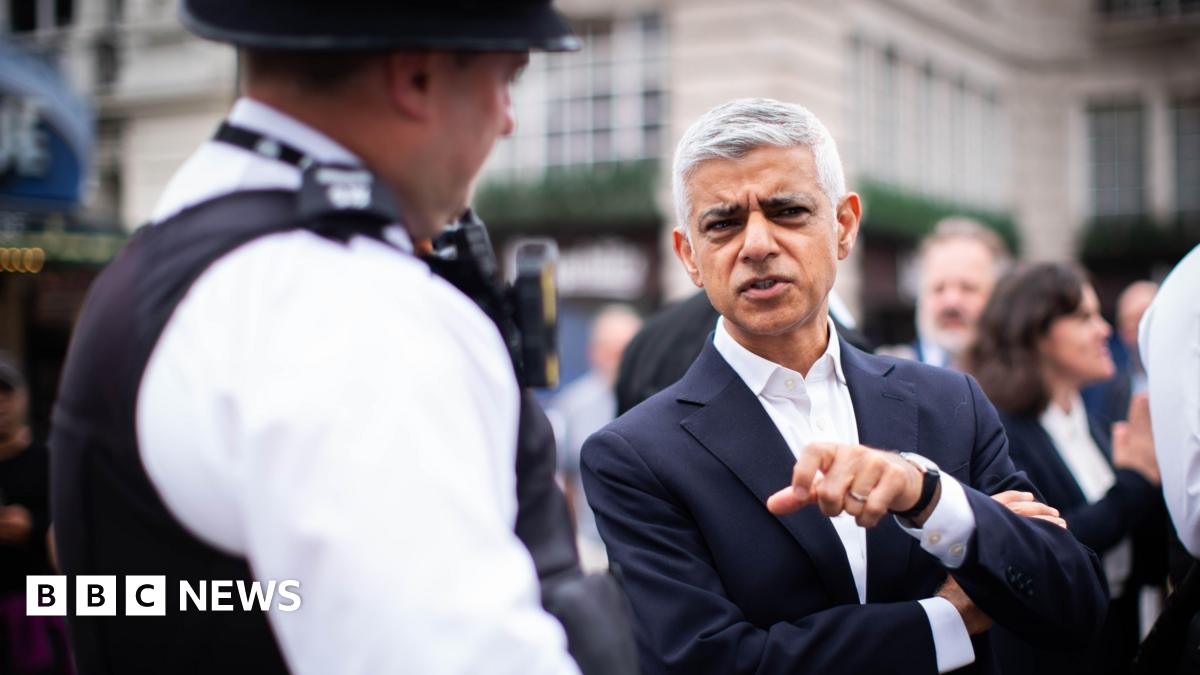
While digital disputes are a growing concern, they exist within a broader conversation about urban safety and crime. In London, the debate surrounding violent crime has become a central issue. Recent data from City Hall indicated that violent crimes resulting in injury have dropped by nearly 12% compared to the previous year. Furthermore, the data suggested that Londoners were less likely to be victims of violent crime than residents in the rest of England and Wales. However, these figures have faced scrutiny. Shadow Home Secretary Chris Philp challenged the administration’s narrative, citing concerns over knife crime rates and the number of police officers in the Metropolitan Police. Philp argued that “Londoners don’t feel safer because London isn’t safer,” highlighting a disconnect between official statistics and public perception.
The Stakes for Community Cohesion
The potential for online disputes to manifest as physical violence remains a significant challenge for modern society. In the context of the 20-year anniversary of the Cronulla riots, local business owners and residents have expressed shock at the resurgence of hateful language online. For many, these digital labels are not abstract; they refer to real people, families, and communities. Residents who have been targeted by such rhetoric have noted that the hostility feels normalized and indiscriminate, often directed at individuals based solely on their appearance or background. As officials navigate these tensions, the consensus among leadership remains that prioritizing calm and rejecting retaliatory violence is essential for maintaining order and preventing further division.
Find more reporting in our Sports section.
Worth a look
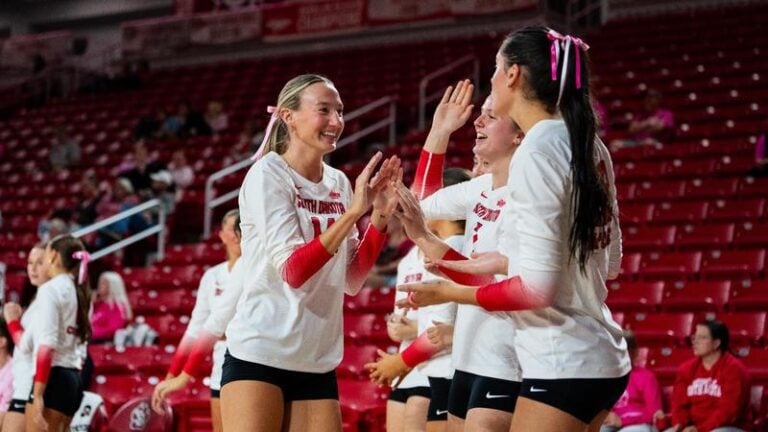
UND Hosts South Dakota, South Dakota State
The University of North Dakota women's volleyball team returns to the Betty Engelstad Sioux Center this week to...

Formula 1 Confirms Rwanda Grand Prix Agreement for Early 2030s
Formula 1 has signed a 10-year agreement to host the African Grand Prix in Rwanda starting in the...

Mamelodi Sundowns Defeat Richards Bay FC 4-1 in Betway Premiership
Mamelodi Sundowns defeated Richards Bay FC 4-1 at Princess Magogo Stadium on October 13, 2026, extending their Betway...

Tyler Bass Kicks Buffalo Bills to Overtime Win Over Los Angeles Rams
That's the beautiful thing about football: You get another drive, Josh Allen said after Tyler Bass kicked a...