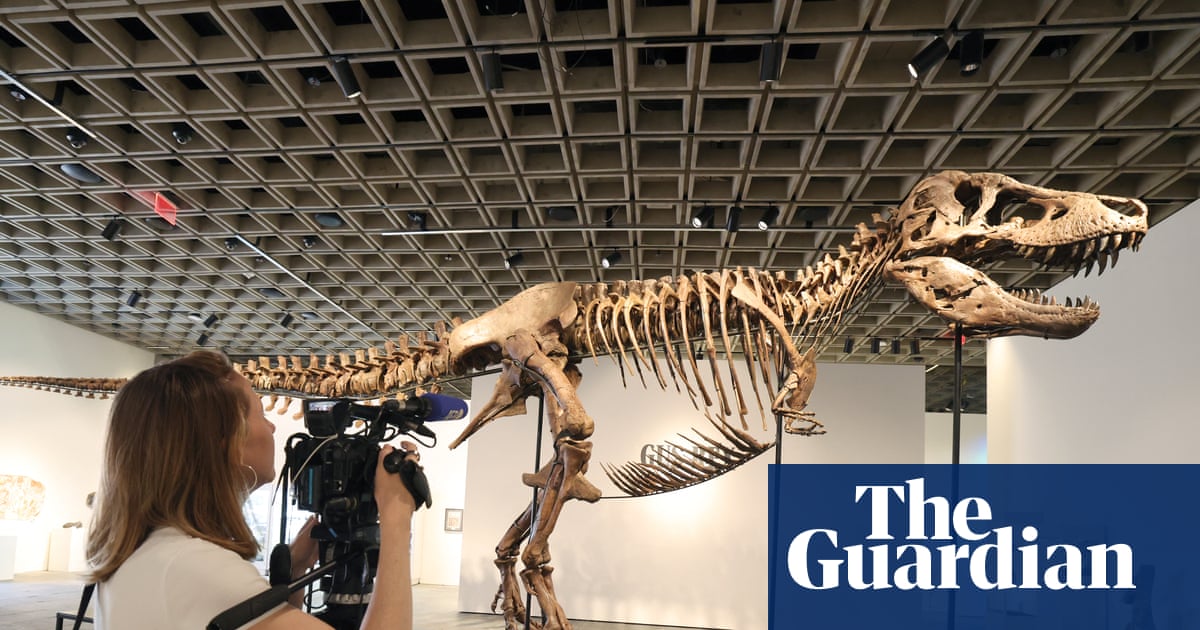
A rare Tyrannosaurus rex skeleton, nicknamed “Gus,” is set to be auctioned by Sotheby’s in New York this week with an estimated value of $20m-$30m. The sale has ignited a fierce debate among paleontologists, who warn that the commercialization of such fossils risks moving them permanently out of reach for scientific research.
The Discovery and Anatomy of Gus
Discovered on a ranch in Harding County, South Dakota, the specimen known as Gus represents one of the most complete Tyrannosaurus rex skeletons ever recovered. According to the Ibtimes, 61 per cent of the animal’s bones have been identified, following a three-year excavation and an additional three years of laboratory work to document and rebuild the skeleton.

Market Forces and the Role of Private Collectors
The auction house has set a high bar for the sale, with estimates ranging from $20m-$30m (£15m-£22.4m).
Cassandra Hatton, Sotheby’s global head of natural history, defended the process by highlighting the immense financial and physical risks undertaken by excavators. She noted that many fossil hunters spend years in remote, dangerous conditions to recover specimens, often without guaranteed financial returns. It’s not billionaires digging them up,
Hatton said, adding that she has actively encouraged museums to participate in the bidding process to keep significant specimens in the public sphere.
Scientific Concerns Regarding Accessibility
Despite the legal right of landowners in the United States to sell fossils found on their property, many researchers fear the long-term impact on paleontology. Professor Richard Butler of the University of Birmingham expressed deep concern, noting that the current trend towards dinosaur fossils being marketed and sold like rare artworks at vast prices by auction houses is very concerning, as is the idea of buying dinosaur fossils as a status symbol or a commodity.
The primary issue for scientists is the lack of guaranteed access. Dr. Thomas Carr, a vertebrate paleontologist at Carthage College, warned that private ownership lacks the stability of a public trust. The problem is that a privately owned fossil can be recalled from a museum at any moment back into an owner’s home, so the principles of availability and replicability are not guaranteed,
he explained. Because scientific journals generally require research to be based on specimens housed in permanent, accessible repositories, fossils sold into private collections often become effectively “lost” to the scientific record.
The Financial Divide Between Museums and Private Bidders
The auction market has seen explosive growth in the last few years, creating a financial landscape where public institutions struggle to compete. Recent high-profile sales include the 2024 auction of a stegosaurus nicknamed Apex, which sold for $44.6 million, and the 2020 sale of a T. rex named Stan for $31.8 million.
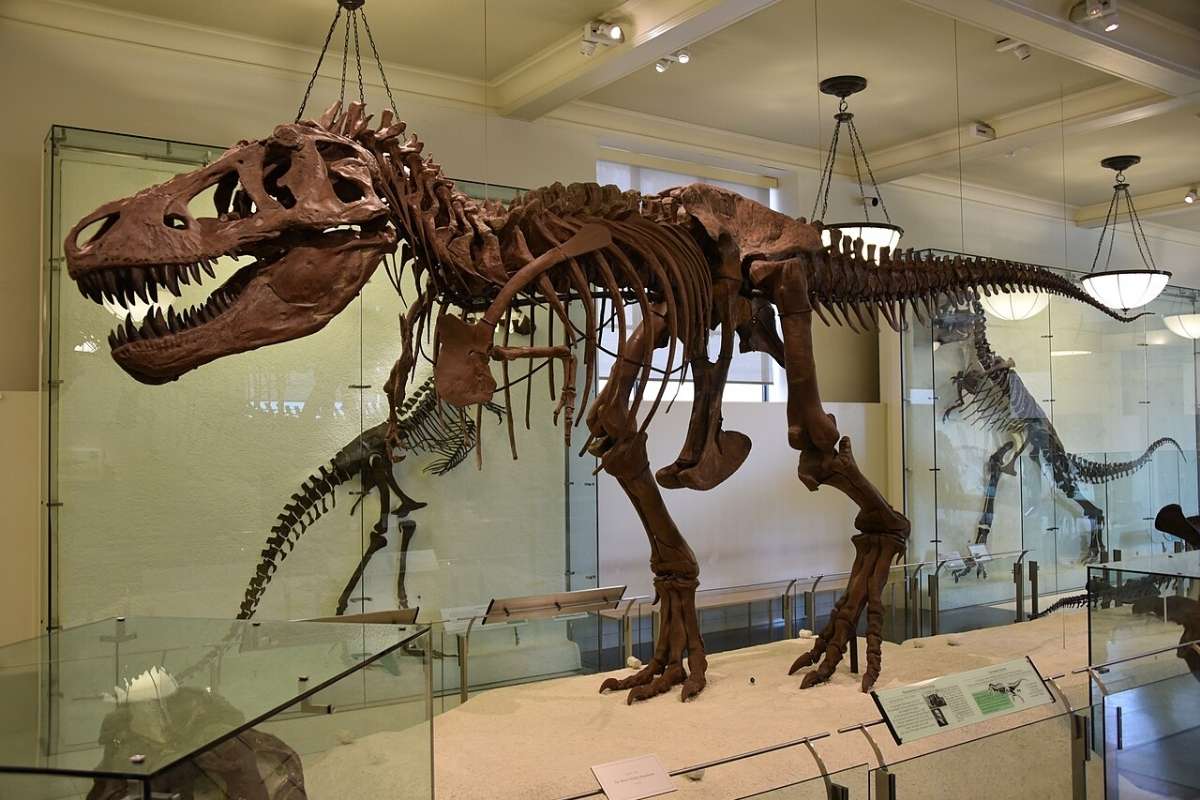
Professor Susannah Maidment of London’s Natural History Museum emphasized that for researchers, fossils are data. We’re already priced out of having access to many, many specimens,
she said. While some private owners choose to loan their purchases to museums—as was the case with Apex, which was loaned to the American Natural History Museum—scientists argue that this is an inconsistent solution that depends entirely on the owner’s discretion.
The Future of Fossil Excavation
While the tension between private collectors and public museums remains high, some experts acknowledge that private excavators play a necessary role in preventing the total loss of fossils to erosion and environmental decay. Dr. Fiann Smithwick, an independent paleontologist, noted that private hunters are often responsible for rescuing discoveries that might otherwise be destroyed by nature.
As the auction at Sotheby’s approaches, the scientific community remains in a state of uncertainty. The fundamental question remains whether the preservation of these prehistoric remains through commercial funding outweighs the loss of their availability for open, peer-reviewed study.
=== END ARTICLE ===
Find more reporting in our Science section.
Worth a look

President Daniel Chapo Urges Global Action on Climate Justice
Mozambican President Daniel Chapo called for strengthened international climate justice measures at a Maputo conference on October 14.
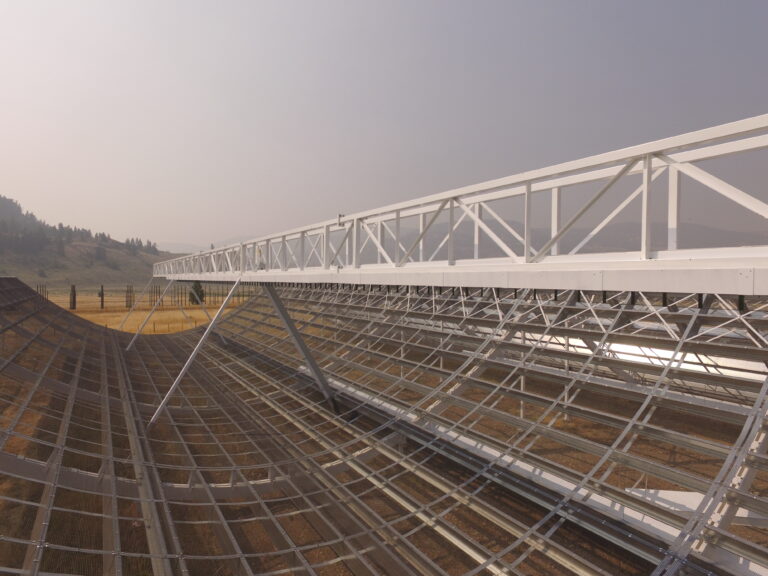
CHIME Telescope Detects Early Universe Hydrogen Signal Independently
Using only its own data, the Canadian Hydrogen Intensity Mapping Experiment (CHIME) telescope in British Columbia detected a...
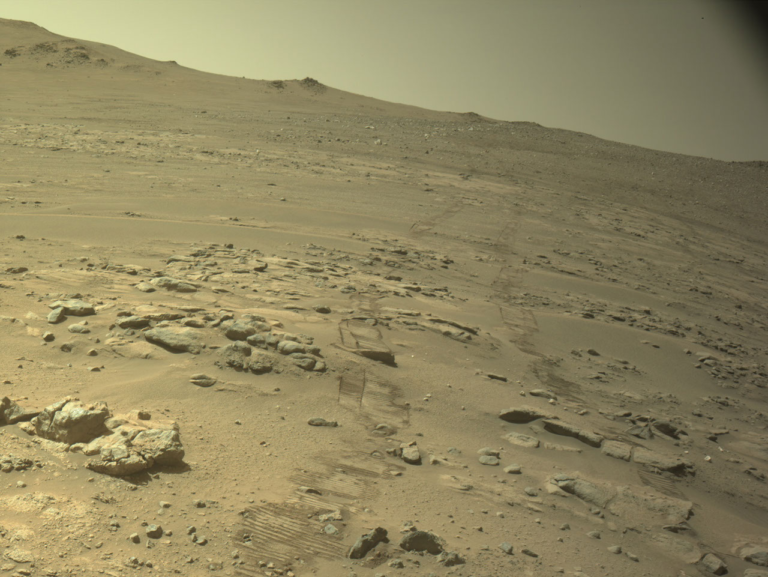
NASA’s Perseverance Rover Breaks Opportunity’s Mars Mileage Record
NASA’s Perseverance rover has set a new off-world driving record on Mars, surpassing the mileage of its predecessor...
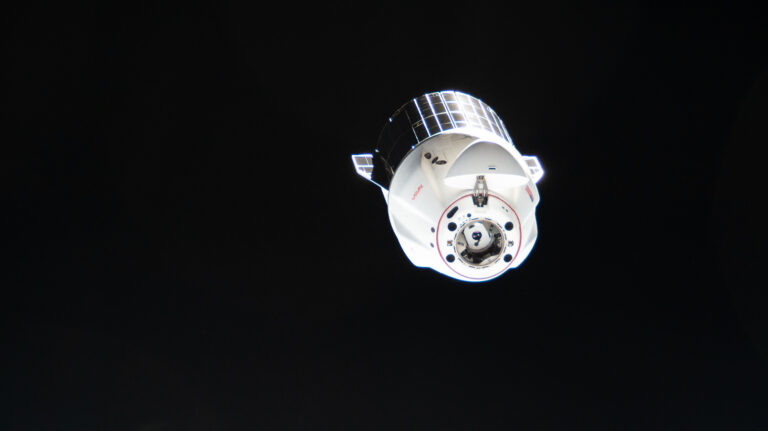
NASA and SpaceX to Launch Cargo and Solar Arrays to Space Station
NASA and SpaceX are targeting Tuesday, October 13, for the launch of the 35th commercial resupply mission to...