
Five associate justices are in the running to replace Chief Justice Alexander Gesmundo, who retires Friday, and President Ferdinand Marcos Jr. says he will announce the successor this week, The Manila Times reported. The Judicial and Bar Council shortlisted Marvic Leonen, Alfredo Benjamin Caguioa, Rodil Zalameda, Japar Dimaampao and Jose Midas Marquez for the top judiciary post.
Presidential Communications Office Undersecretary Claire Castro said Wednesday that all contenders “have their own strengths and their own integrity,” adding, “Don’t worry, the next chief justice will be announced this week. “We will not preempt our president,” as the Supreme Court faces large corruption cases filed by the Ombudsman that the Daily Tribune reports should be decided at first instance before the end of 2027.”
The Administrator’s Case for Marquez
Former Chief Justice Reynato Puno has thrown his support behind Associate Justice Jose Midas Marquez, writing in an October 14 letter to the president that Marquez’s “extensive administrative background, familiarity with the Supreme Court’s internal operations and experience coordinating with other branches of government make him a strong candidate to lead the judiciary,” The Manila Times reported.
Marquez has served the Supreme Court for 30 years, including about 12 years as court administrator before becoming an associate justice five years ago. When Puno assumed the chief justice post in December 2006, Marquez served as his chief of staff while concurrently holding key positions as assistant court administrator, head of the Public Information Office and Supreme Court spokesman. Puno, who served as chief justice from December 2006 to 2010, said he had personally witnessed Marquez’s work ethic and professional competence during his 17 years at the Supreme Court, noting that Marquez performed these responsibilities with consistent excellence.
“More than any aspirant, Justice Marquez is most familiar with how the Supreme Court works, especially its internal processes,” Puno wrote.
Beyond his experience within the judiciary, Puno highlighted Marquez’s exposure to inter-branch relations through assignments that required him to coordinate with officials of the executive and legislative departments.
Fifteen Prosecutors Back Zalameda
The endorsement extends beyond former chief justices to the prosecution service. Fifteen chief prosecutors in Metro Manila have formally endorsed Associate Justice Rodil Zalameda, DZRH reported. In Resolution No. 3, Series of 2026, the NCR Chief Prosecutors Association declared Zalameda the most qualified candidate to succeed Gesmundo, citing his legal expertise, leadership and unblemished record in public service.
BREAKING: MARCOS TO PICK NEXT SUPREME COURT CHIEF JUSTICE THIS WEEK! DUTERTE-APPOINTED MAGISTRATES STILL DOMINATE HIGH COURT — WILL PBBM CHANGE THE BALANCE OF POWER? Isang malaking desisyon na maaaring magkaroon ng pangmatagalang epekto sa hudikatura at sa political landscape ng… pic.twitter.com/9N602bNsII
Zalameda began his career in public service as a prosecutor in Mandaluyong City in 1995 before becoming the city’s prosecutor in 2002. He later served as an associate justice of the Court of Appeals for 11 years before his appointment to the Supreme Court in 2019. The association said Zalameda possesses the extensive experience and integrity needed to lead the judiciary and uphold public confidence in the country’s justice system.
The Reformer Who Voted Against Presidents
Senior Associate Justice Marvic Leonen, the most senior member of the court with almost 14 years on the bench, has taken a different tack during his Judicial and Bar Council interview. The Daily Tribune reported that Leonen told the panel he had voted against the President who appointed him and against every President after that, saying this was the only assurance worth giving the public since he would refuse to offer his loyalty or protection and would not trade principle for the post.
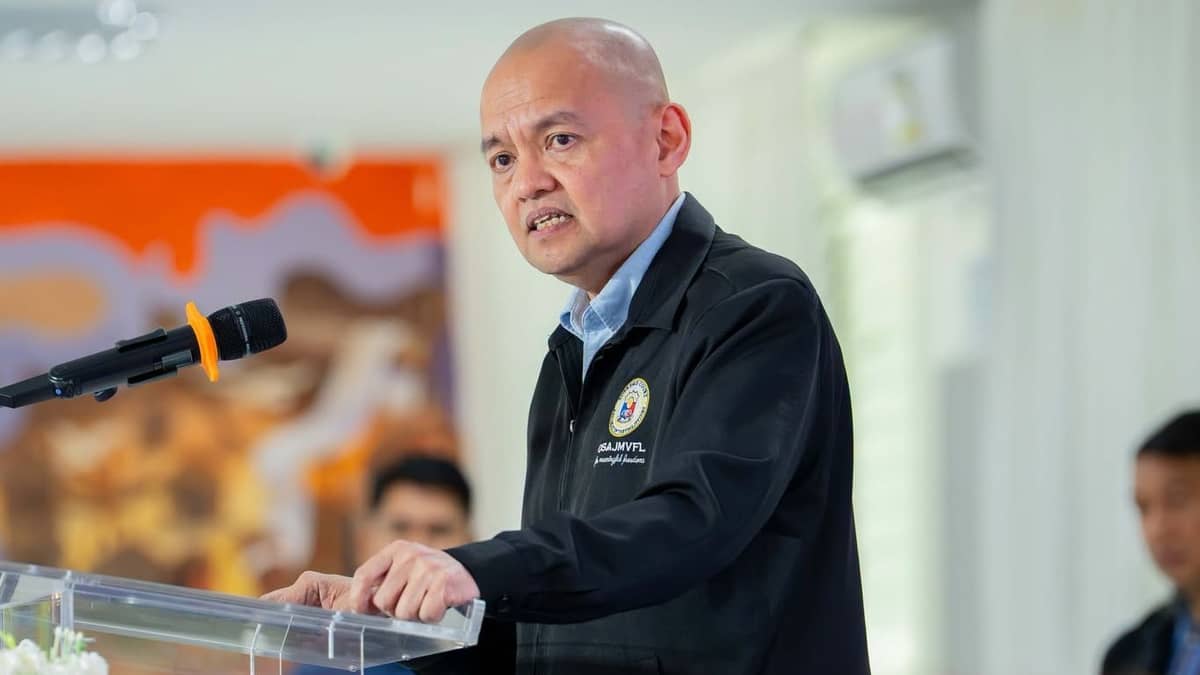
Leonen explained that the chief justice holds only one vote of 15 and should not dictate a case’s outcome. The Daily Tribune noted this is bad news for a president who wants a sure outcome when hard cases arrive, particularly as Leonen’s plans cut close to the people in power with the pending corruption cases. Leonen has written decisions that limit officials’ powers and has dissented often, sometimes against the very leaders who now sit near this President. He has worked under five chief justices, served as acting chief justice, and chairs the Senate Electoral Tribunal, helping lead the court’s judicial innovation plan.
Two Philosophies, One Seat
The contrast between candidates extends to competing judicial philosophies. Rappler described the choice between Caguioa and Leonen as a toss-up between two distinct approaches: Caguioa is known for a disciplined, rule-based approach to law emphasizing statutory discipline and procedural fidelity, while Leonen advocates for a transformative legal philosophy that prioritizes human dignity and social justice.
In oral arguments, Rappler noted, Leonen asks where the law ought to go to do justice, while Caguioa demands to know precisely how the law can get there without breaking its own foundations. Whether guided by Leonen’s transformative vision or anchored by Caguioa’s doctrinal discipline, the bench would be led by a chief justice capable of commanding immense respect. Placing either jurist at the helm would carry the genuine potential to usher in the judiciary’s next golden era, the outlet suggested.
Who Marcos picks this week will signal whether the court leans toward administrative continuity with Marquez, prosecutorial experience with Zalameda, or the reformist independence Leonen promises. The president has not preempted his own choice, and the question of which justice will hold the gavel remains open until the announcement.
Keep reading

Thousands of Blood Pressure Medication Bottles Recalled Nationwide Due to Dissolution Failure
"Failed dissolution specifications." That dry, technical phrase from the Food and Drug Administration's enforcement report is the reason...

Teresa O’Halloran of Foxford dies in her 96th year
Teresa (Ellen) O'Halloran of Kennedy Villa, Swinford Road, Foxford, County Mayo — in Irish, Eibhlín Bn Uí hAllmhúrain...

Texas Senator James Talarico reveals type 1 diabetes diagnosis
"I Was Lucky to Be Alive": How a 25-Mile Campaign Walk Led Texas Senator James Talarico to a...

NASA’s Swift Observatory Reenters Earth’s Atmosphere After 22 Years
NASA's Neil Gehrels Swift Observatory re-entered Earth's atmosphere at 7:39 a.m. EST on Wednesday over the North Sumatra...