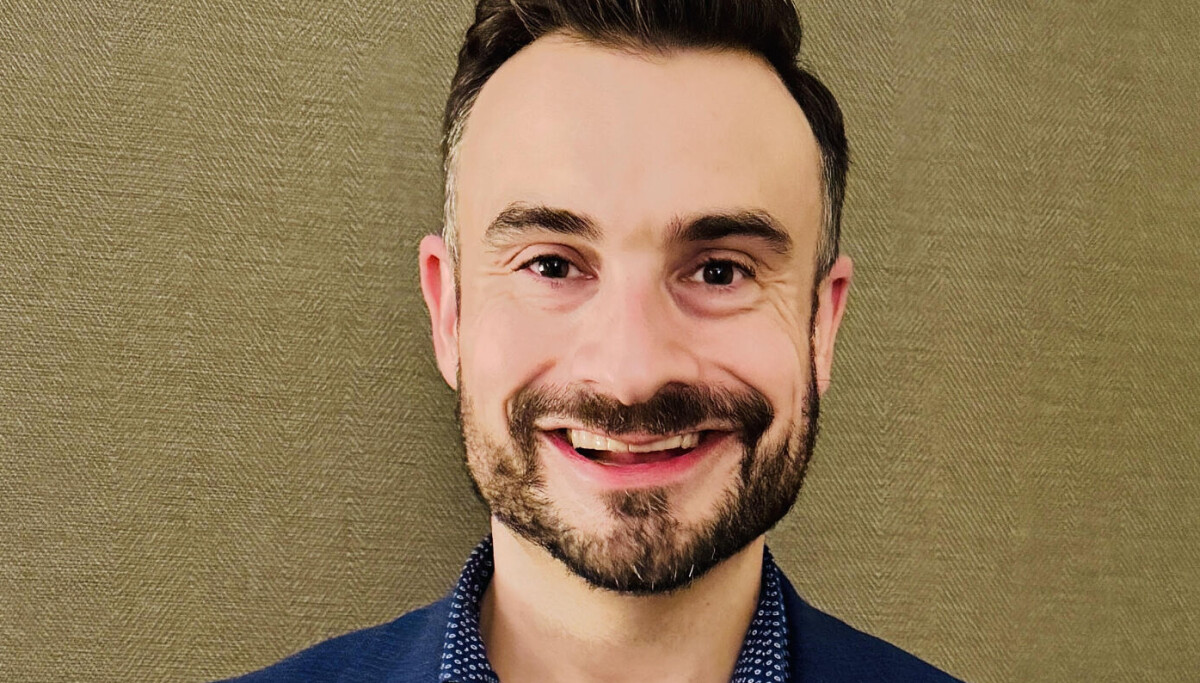
Matt Harrington Named 2026 Rising Star Alumni of the Year
The Southwestern Vermont Chamber of Commerce CEO Matt Harrington has been named the 2026 Rising Star Alumni of the Year by Vermont Business Magazine.
The recognition was announced following the publication’s annual Rising Stars celebration, which took place on Wednesday, November 4, at the DoubleTree by Hilton in Burlington, according to the Southwestern Vermont Chamber of Commerce.
This award marks a significant milestone for a leader who has fundamentally reshaped how business associations operate in the region. Since taking the helm in 2016, Harrington has transitioned the organization from a traditional business association into a comprehensive regional economic development hub serving 17 communities across Bennington County.
“Matt is the perfect choice for this award,” said Katie Kittell, publisher of VermontBiz. “Matt Harrington received his Rising Star award with the Class of 2017. Since then, he has truly soared, going above and beyond for Vermont businesses and his community.”
From Local Association to Regional Powerhouse
The transition of the chamber under Harrington’s tenure reflects a broader shift in how rural economies are attempting to sustain themselves in a post-pandemic world. By launching entities like The Shires of Southwestern Vermont Destination Marketing Organization and the Shires Young Professionals, Harrington has focused on workforce retention and regional identity rather than just traditional business advocacy.

The strategy hit a critical point during the COVID-19 pandemic. As businesses faced unprecedented operational hurdles, the chamber pivoted to become a primary resource for regional coordination, public health communication, and business assistance. This work earned Harrington an “Unsung Hero” designation from Vermont News & Media.
The launch of the Southwestern Vermont Chamber Foundation in 2026 represents the most recent evolution of this strategy. Designed as a charitable arm, the foundation focuses on the intersection of entrepreneurship, leadership development, and civic engagement. It aims to bridge the gap between regional economic storytelling and the actual investment needed to drive growth.
A Legacy of Regional Leadership
Harrington now joins a group of past honorees that includes Vermont State Treasurer Michael Pieciak, Vermont League of Cities and Towns Executive Director Ted Brady, Vermont Community Foundation President and CEO Dan Smith, and former Vermont Gas Systems President and CEO Neale Lunderville. This peer group shows the award's importance within the Vermont professional community.
“My advice has always been simple: Show up. Be present. Be useful,” Harrington said. “Too often, we think community service requires a grand gesture, a leadership position, or some extraordinary commitment. But the strongest communities are built through small, consistent acts of showing up for one another.”
Beyond his local work, Harrington maintains a national presence as a consultant for organizations including the American Academy of Dermatology and the USDA. He is also the co-author of Survival of the Hive: Seven Leadership Lessons from a Beehive. His influence was further noted when he was named among VermontBiz‘s 91 Influencers in both 2025 and 2026.
The chamber also highlighted the emergence of four other local professionals—Andrea Ameden, Heather Davis Miller, Kaiya Kirk, and Analee Patel—who were selected as members of the 2026 Rising Stars class. Their inclusion, chosen from a pool of over 140 statewide nominations, suggests a continued focus on leadership development as a primary tool for regional economic stability in Southwestern Vermont.
Looking ahead, Harrington describes the award not as a final achievement, but as a mandate to continue the work of regional capacity building. Whether this model of chamber-led economic development can withstand the long-term demographic and economic pressures facing rural Vermont remains the central question for the next decade of his tenure.
Keep reading

Ukraine’s Biometric Identity Market Faces Uneven Growth Amid War
The Ukrainian digital identity sector is navigating a complex landscape where rapid state-driven adoption of biometric authentication meets...

Wyoming’s Barrasso, Hageman and Gray Face Democrat-Led Congress
Wyoming’s Republican Delegation Faces Shift to Minority Power When the new Congress convenes this January, Wyoming’s all-Republican congressional...

Goose Delivers High-Energy Funk Set at Milwaukee’s Miller High Life Theatre
Goose returned to the Miller High Life Theatre in Milwaukee on November 7, 2026, for the second of...

KIRO Hosts Discuss Revel Closure and Seattle Dining Costs
The landscape of Seattle’s dining scene is shifting, and for many residents, the change is hitting home in...