
Mozilla has launched a nostalgia-driven advertising campaign titled Come Back to Firefox,
featuring 2000s internet meme legends to promote the browser’s anti-tracking features and user-controlled AI options as it battles Google Chrome for market share.
The internet used to feel like a wonderfully weird playground where ordinary people could achieve global fame just by dancing in their bedrooms or singing about shoes, long before algorithms, influencers, and relentless automation took over. Mozilla is leaning hard into that vanished era to win back users who abandoned its browser over the years. The newly unveiled promotional push brings together some of the most recognizable viral stars and digital memories from the late 2000s and early 2010s to remind former loyalists what browsing used to feel like.
Meme Legends Return for the Come Back to Firefox Campaign
The campaign video unites a roster of early-web royalty who helped define the internet’s golden age. Viewers will spot digital icons such as the Numa Numa Guy, Overly Attached Girlfriend, Annoying Orange, Tay Zondaday of Chocolate Rain fame, Bad Luck Brian, Where the Hell is Matt, Kelly’s Shoes, Apparently Kid, Chuck Testa, and a grown-up Success Kid.

What happened to the internet? It used to be fun.
The Numa Numa Guy, via Mashable
The creative agency We Believers assembled the cast to tap into heritage without letting the brand feel stuck in the past. Gustavo Lauria, founder and chief creative officer at We Believers, noted that the concept belongs naturally to a challenger browser that stayed independent while Big Tech absorbed the web. According to Mozilla Chief Marketing Officer John Solomon, the project relied on everyday people who made the early web strange and creative without chasing viral status.
Market Share Contrast Between 2009 Peak and Present Day
The campaign arrives as Mozilla attempts to regain ground in a browser market dominated by competitors pushing automated tools and extensive telemetry. In November 2009, Firefox reached its historical peak by capturing 32% of internet users, briefly outpacing Internet Explorer 7. Decades later, the competitive landscape looks entirely different.
Google Chrome captured the vast majority of the market in the years that followed, leaving Firefox with an estimated 2.8 percent share of the global browser market, while desktop estimates place its current user base around 7 percent.
Privacy Controls and Anti-AI Features Offered by Mozilla
Beyond pure nostalgia, the advertisements target modern consumer frustrations surrounding constant data harvesting and forced automation. Mozilla positions its flagship software as a privacy-focused alternative for people weary of commercial platforms tracking their online habits.
- A built-in free VPN intended to keep browsing activity private.
- Granular AI controls that let users decide how much automation is accessible within their browser.
- An integrated ad blocker included in the mobile version of the application.
Solomon emphasized that unlike major technology companies monetizing personal data, the non-profit organization behind the software operates independently and avoids trying to extract more from everyday people.
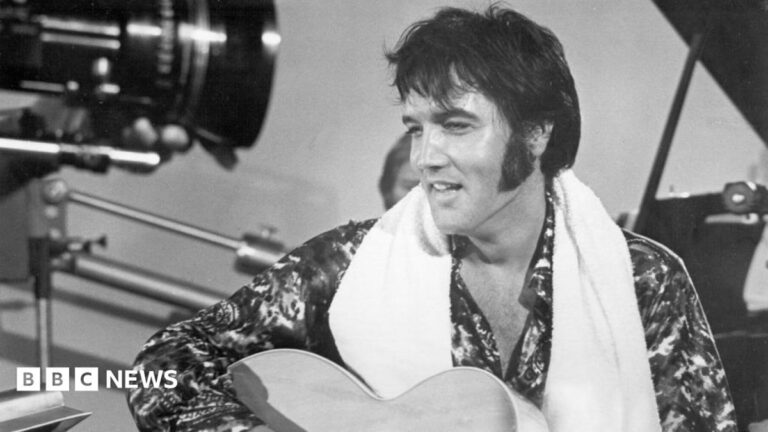
Authentic Brands Group Sues Anthropic Over $41 Million
Owners of Elvis Presley's music rights have filed a $41 million federal lawsuit against AI company Anthropic, accusing...

POCO F9 Ultra Compared to Xiaomi 17T Pro: Key Differences
Two smartphones from the same company released months apart sit roughly €200 apart on paper, forcing buyers to...
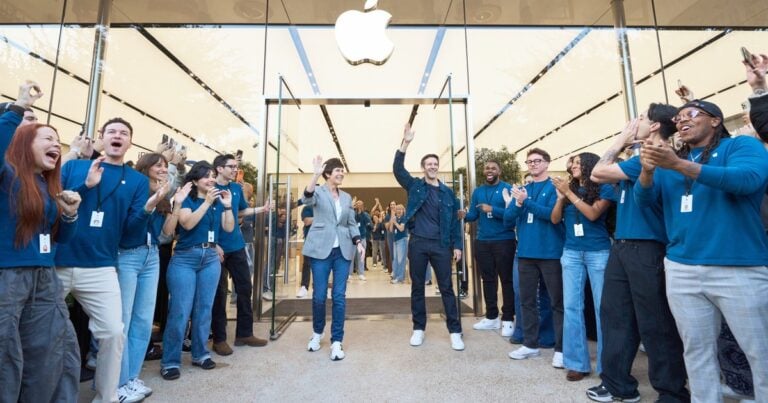
Apple iPhone Duo Price Premiums Evaporate in China
Apple’s first foldable smartphone, the iPhone Duo, saw its resale premiums in China collapse this week as supply...

Tohoku University and University of Tokyo Launch Curated Hydrogen Database
Published online on September 4, 2026, in Applied Physics A, researchers at Tohoku University and the University of...