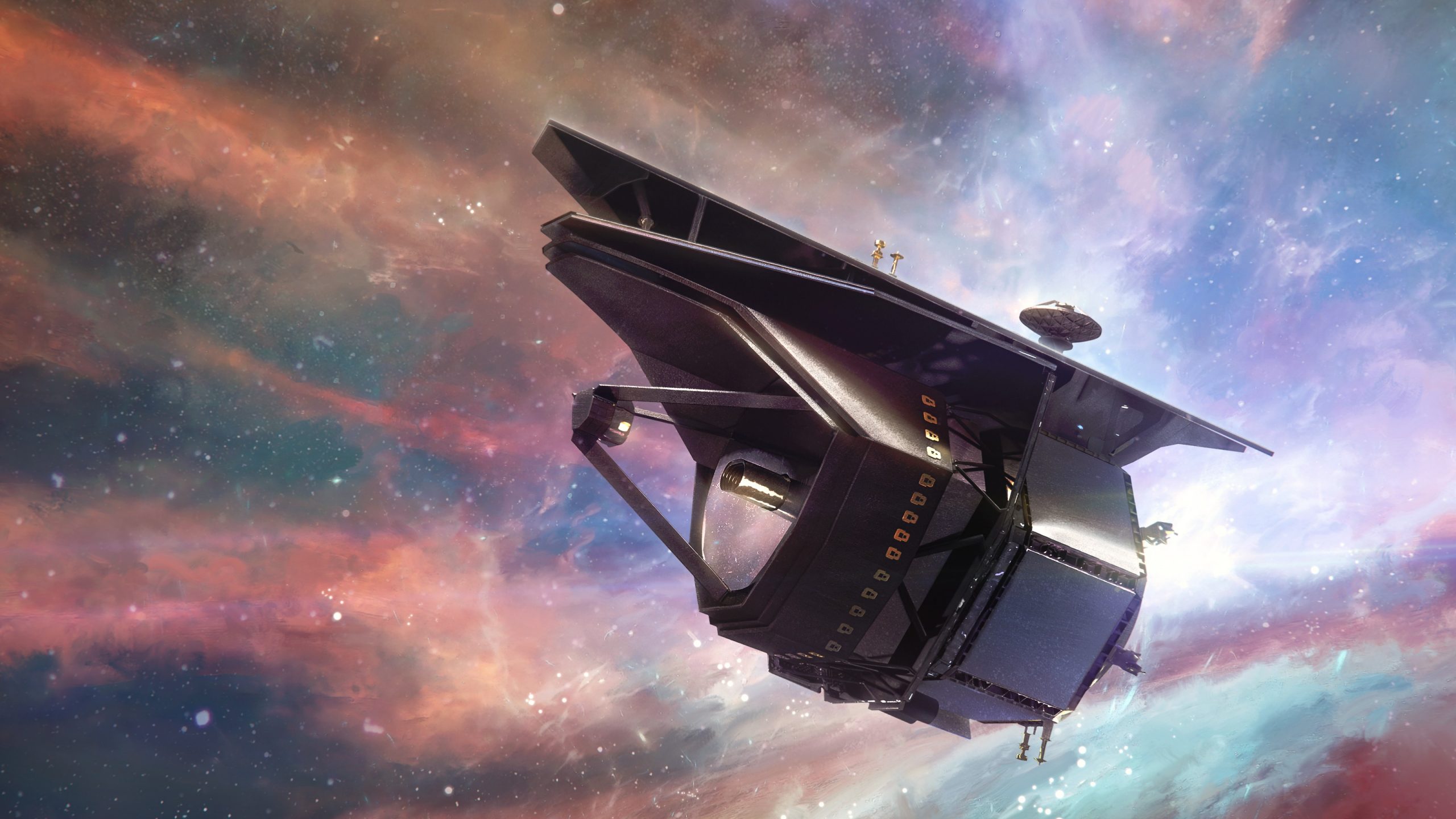
NASA selected the PRobe far-Infrared Mission for Astrophysics, or PRIMA, to advance to Phase B development. Managed by the Jet Propulsion Laboratory with a target launch in 2033, the $1.2 billion space telescope will fill a gap in far-infrared observations to study planet formation, supermassive black holes, and cosmic dust.
NASA advanced its first selection in a new class of astrophysics missions on September 23rd when the project cleared an initial $5 million funding award during a preliminary design phase. NASA advanced its first selection. Known as Probe Explorers, the initiative operates within the agency’s longstanding Explorers Program and stems from recommendations in the 2020 Decadal Survey for Astronomy and Astrophysics released by the National Academies. The selected observatory, the PRobe far-Infrared Mission for Astrophysics, is designed to capture wavelengths of light that have historically remained out of reach for existing instruments.
NASA Advances PRIMA to Fill the Far-Infrared Blind Spot Between Webb and Ground Radio Telescopes
Earth’s atmospheric water vapor absorbs most far-infrared light, making it a relatively unexplored window into the cosmos that can only be observed from space. While observatories like the James Webb Space Telescope capture images in near- and mid-infrared light, and giant ground-based radio dishes pick up lower-energy signals, a gap persists in the far-infrared spectrum according to researchers working on the project.
Equipped with a 5.9-foot telescope, PRIMA will operate at a fixed distance just past the moon.
Researchers Shape Core Goals for Probing Galaxy Evolution and Water Origins
Alexandra Pope, a professor in the College of Natural Sciences’s Department of Astronomy at the University of Massachusetts Amherst, serves as the Science Team Lead for the mission. Jason Glenn, a professor of astronomy at the University of Virginia, led the concept development for PRIMA. The mission proposal centers on three primary scientific themes developed by the mission science team. Researchers will examine how planets form their atmospheres and trace cool water—a critical prerequisite for life—in planet-forming disks as those systems coalesce. Additional objectives include exploring the co-evolution of supermassive black holes and galaxies, and examining cosmic dust across different environments to understand how the periodic elements beyond hydrogen and helium accumulated over cosmic time.
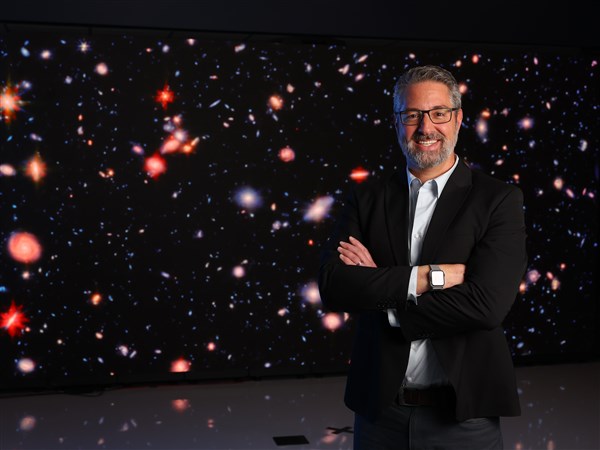
The PRIMA mission is humanity’s next window into the deep universe.
Nicky Fox, associate administrator for NASA’s Science Mission Directorate
University Teams Prepare Data Pipelines for the 2033 Target Launch
PRIMA has advanced into Phase B to refine preliminary design and technology development.
Project costs are capped at $1.2 billion, excluding launch and other non-project expenses, with a planned five-year mission targeted to launch in 2033. If the mission successfully passes its upcoming confirmation review based on technical, programmatic, and cost performance, it will advance to Phase C implementation.
Academic institutions across the country are already integrating students and researchers into the development pipeline.
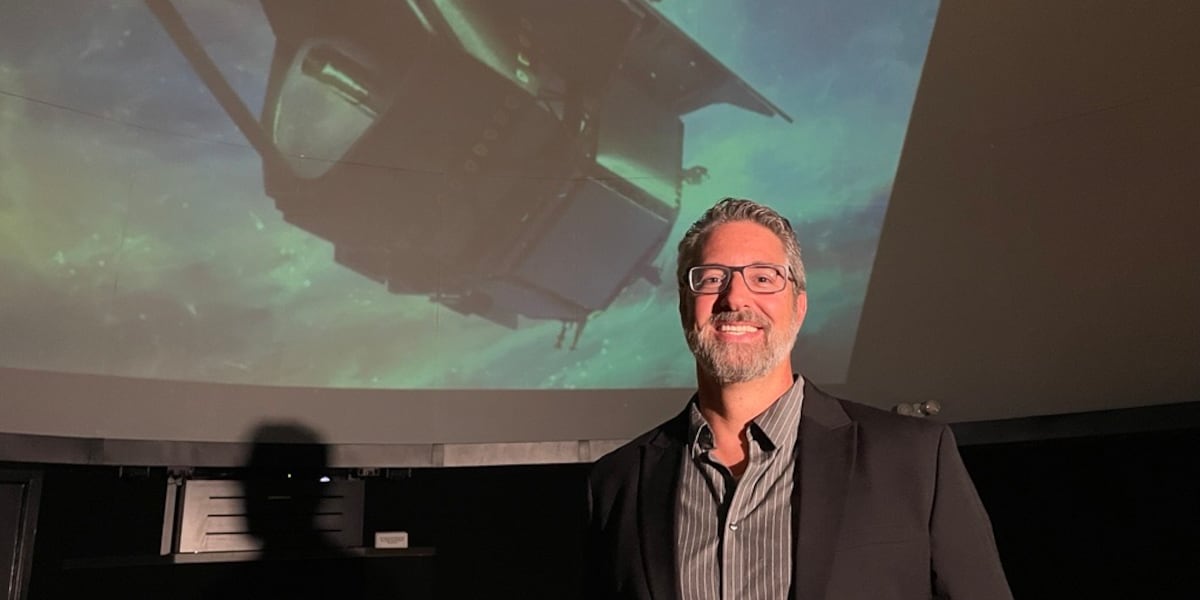
“With our Webb and Roman space telescopes, we set a cadence of launching premiere-class missions in both halves of the decade. We’re going to keep that up and kick off the next decade with PRIMA, as part of a pipeline that will consistently have missions of this caliber ready to go.”
Shawn Domagal-Goldman, director of NASA’s Astrophysics Division
Related reading
8-Hour SpaceX Flight Sets Speed Record for Crewed Spacecraft to ISS
Canadian Space Agency astronaut Joshua Kutryk and three crewmates reached the International Space Station on October 1, 2026,...
Milky Way Began as Thousands of Galaxies, New Simulations Suggest
Astronomers simulating the early universe revealed that the Milky Way neighborhood began as thousands of smaller galaxies, offering...
NASA Selects Three Investigations to Study Lunar Resources and Shelters
NASA chose three scientific investigations led by Ariel Deutsch of NASA’s Ames Research Center in California’s Silicon Valley...
NASA Tests Pressure-Sensitive Paint on Moving Wing in Wind Tunnel
NASA researchers at Langley Research Center have completed the first unsteady pressure-sensitive paint tests on a freely moving...