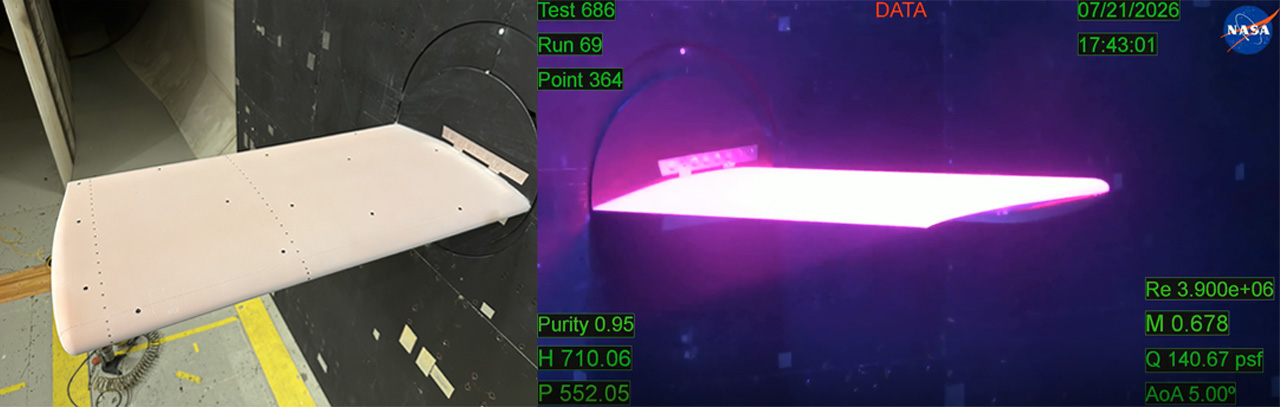
NASA researchers at Langley Research Center have completed the first unsteady pressure-sensitive paint tests on a freely moving model wing inside the Transonic Dynamics Tunnel, using ultraviolet light to make the Benchmark Supercritical Wing glow pink-purple during high-speed airflow analysis.
The wind tunnel tests conducted at NASA’s Langley Research Center in Hampton, Virginia, are paving the way for new wind tunnel capabilities for future aircraft design. Researchers used an unsteady pressure-sensitive paint to study airflow behavior around a universal wind tunnel model known as the Benchmark Supercritical Wing inside the facility’s Transonic Dynamics Tunnel.
As air moved across the coated model, ultraviolet lights triggered a reaction that caused the wing to glow in distinct pink-purple shades. High-speed cameras recorded these changes in illumination while the team observed the test from the control area.
Ultraviolet Illumination Maps Dynamic Air Pressures
The specialized coating functions by incorporating luminescent molecules that emit light when exposed to changing aerodynamic pressures. As air currents sweep over the painted surfaces, fluctuations in pressure cause these molecules to fluoresce at varying intensities, generating a dynamic map of the airflow.

This optical measurement technique offers a non-intrusive method for studying aerodynamics, allowing researchers to gather precise data without physically disrupting the flow of air. By evaluating the resulting color patterns, engineers can easily pinpoint regions of high and low pressure, alongside areas suffering from turbulence or aerodynamic inefficiency.
Combining Universal Wing Models with Low-Oxygen Tunnels
The recent evaluation combined two research instruments. Benchmark wings do not replicate any specific commercial or military aircraft layout; instead, they serve as standardized universal models designed to help investigators refine computer simulations using empirical wind tunnel data.
The procedure marked the first time the optical pressure measurement technique was deployed on a large-scale, freely moving model inside a low-oxygen environment. That achievement relied directly on the specialized operating parameters of the Transonic Dynamics Tunnel.
Multi-Center Collaboration Expands Testing Protocols
Teams from multiple agency sites, including Langley Research Center and Ames Research Center in California’s Silicon Valley, have spent years working to integrate the paint into testing protocols for rockets and aircraft. Investigators view the coating as a necessary asset and anticipate expanding its use to full-size wings and fuselages in future trials.
Refining Computational Fluid Dynamics for Flexible Flight
The successful trial establishes a foundation for upcoming evaluations involving flexible aircraft models engineered to bend and adapt during flight to maximize energy efficiency. Agency researchers plan to couple the experimental paint data with advanced computational fluid dynamics simulations to increase the precision of future aerodynamic modeling.
Teams from Langley Research Center and Ames Research Center in California’s Silicon Valley have spent years working to integrate the paint into testing protocols for rockets and aircraft.
Worth a look

Webb Telescope Spots 21 Star Systems With Extreme Debris Disks
Astronomers using the James Webb Space Telescope and retired Spitzer archive data have identified 21 young star systems...
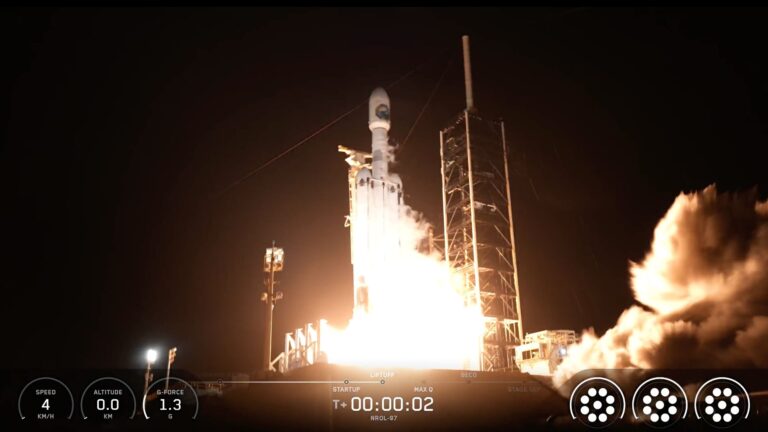
SpaceX Launches First Falcon Heavy Mission for National Reconnaissance Office
SpaceX launched a classified National Reconnaissance Office payload aboard a Falcon Heavy rocket from Florida on Thursday night,...
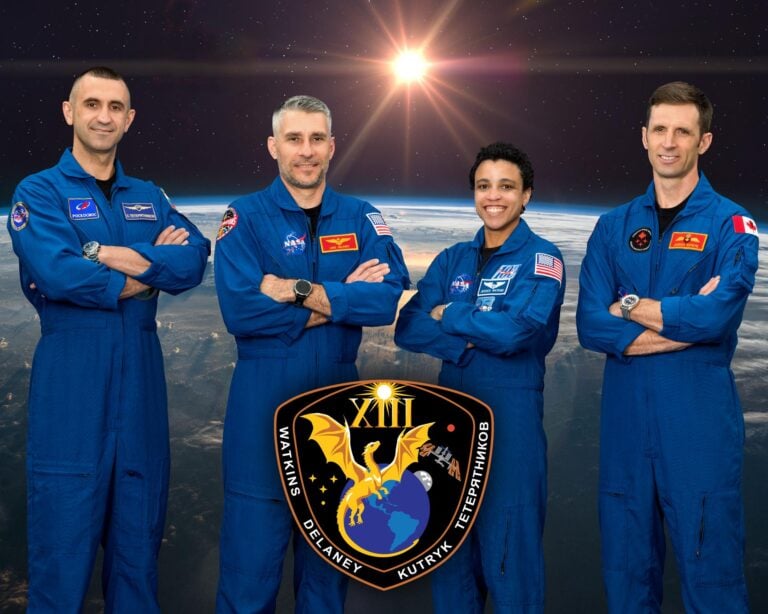
SpaceX Crew-13 Docks at ISS After Record-Breaking Flight
Four astronauts docked at the International Space Station on Thursday following a record-breaking eight-hour express flight from Florida.
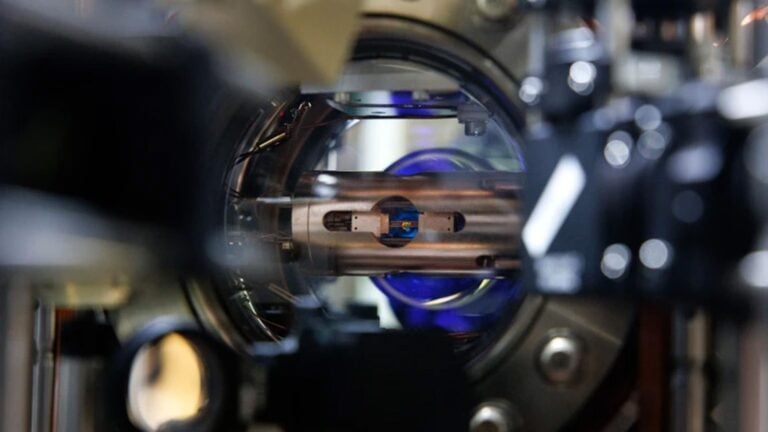
Singapore Researchers Build Most Precise Atomic Clock Using Lutetium
Researchers in Singapore have unveiled a record-breaking atomic clock built from lutetium, achieving precision to 19 decimal places.