An estimated 100 million people in the United States suffer from metabolic dysfunction-associated steatotic liver disease (MASLD), formerly called nonalcoholic fatty liver disease, according to the American Liver Foundation. While this common condition affects a vast portion of the population, roughly 20% to 25% of those diagnosed eventually develop metabolic dysfunction-associated steatohepatitis (MASH). This more severe form of fatty liver disease features excess liver fat accompanied by cellular injury, inflammation, and scarring.
New Enzyme Research Offers Hope for Fatty Liver Disease Progression
Current medical care largely relies on lifestyle modifications and efforts to limit further injury. Although some medications have recently become available, they are typically restricted to patients with advanced disease and carry common side effects, leaving treatment options scarce and no known cure for MASH. Now, recent preclinical findings are shedding light on potential new avenues for therapeutic intervention.
The Protective Role of UBE2N in Liver Health
Researchers co-led by Cedars-Sinai Health Sciences University and the University of Pittsburgh have identified an enzyme that may help safeguard the liver against severe damage. Published in Nature Metabolism, the multicenter study centers on an E2 ubiquitin-conjugating enzyme known as UBE2N.
Investigators discovered that levels of UBE2N decline inside liver cells as fatty liver disease advances. According to Ekihiro Seki, MD, PhD, professor of Medicine and Biomedical Sciences at Cedars-Sinai and co-corresponding author of the research, the enzyme naturally protects the organ from inflammation and injury by facilitating the removal of damaged mitochondria and aiding fat breakdown. When enzyme levels dropped, researchers observed an increase in damaged cells and overall liver injury.
UBE2N Tags Faulty Mitochondria to Suppress MASH
Scientists describe UBE2N as a dual-function molecular switch that connects mitochondrial quality control with MASH suppression. Mitochondria serve as the structures that generate energy for cells, but when they sustain damage and fail to clear, they generate excess reactive oxygen species and spark inflammatory cascades that harm hepatocytes.
By coordinating necessary ubiquitin signaling, UBE2N tags faulty mitochondria for degradation—a process called mitophagy—clearing them out before they can amplify injury. When researchers restored UBE2N to normal levels in the livers of laboratory mice, they noted clear reductions in fat accumulation, inflammation, and scarring.

GPPD Inhibitor Reduces Liver Injury and Fibrosis
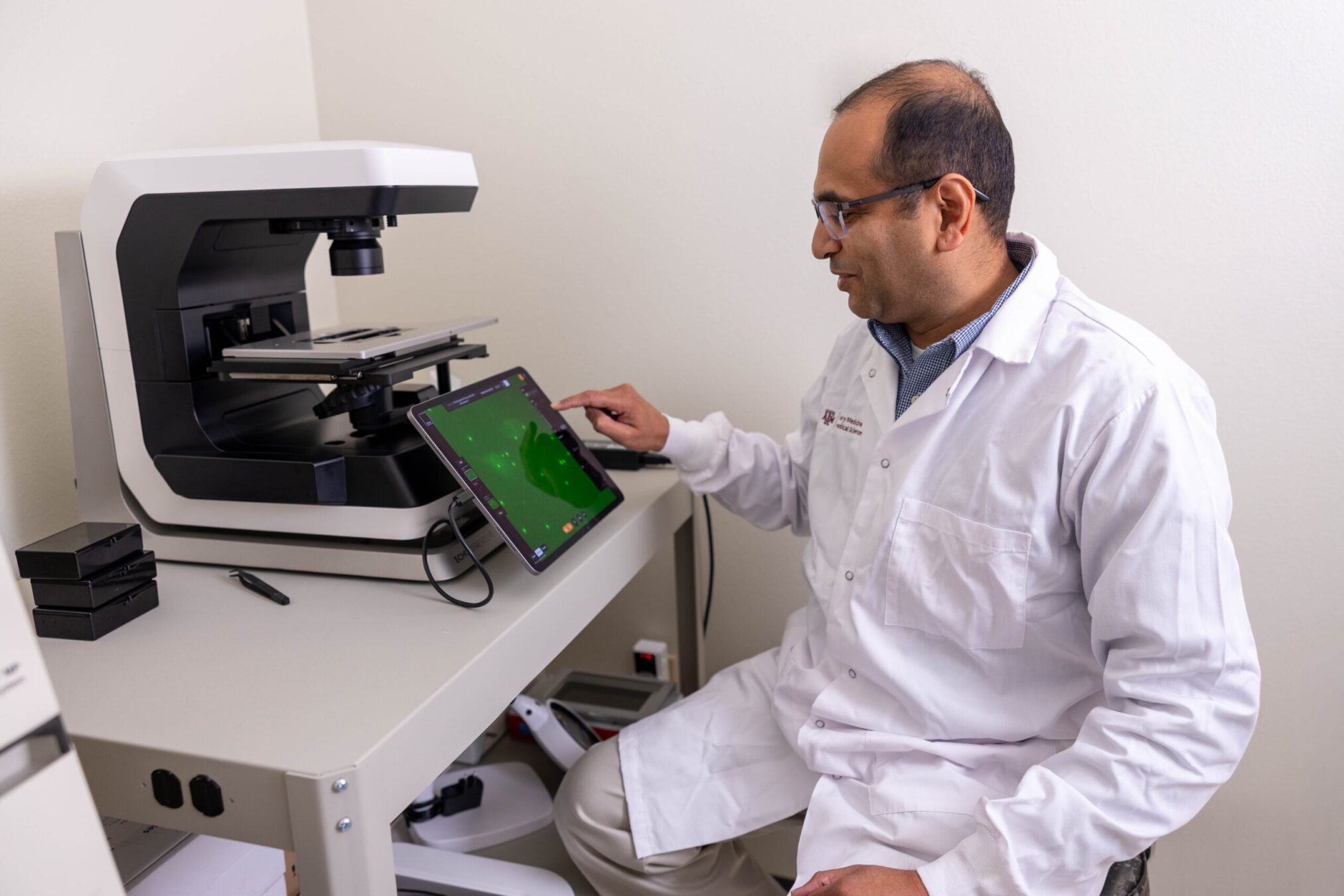
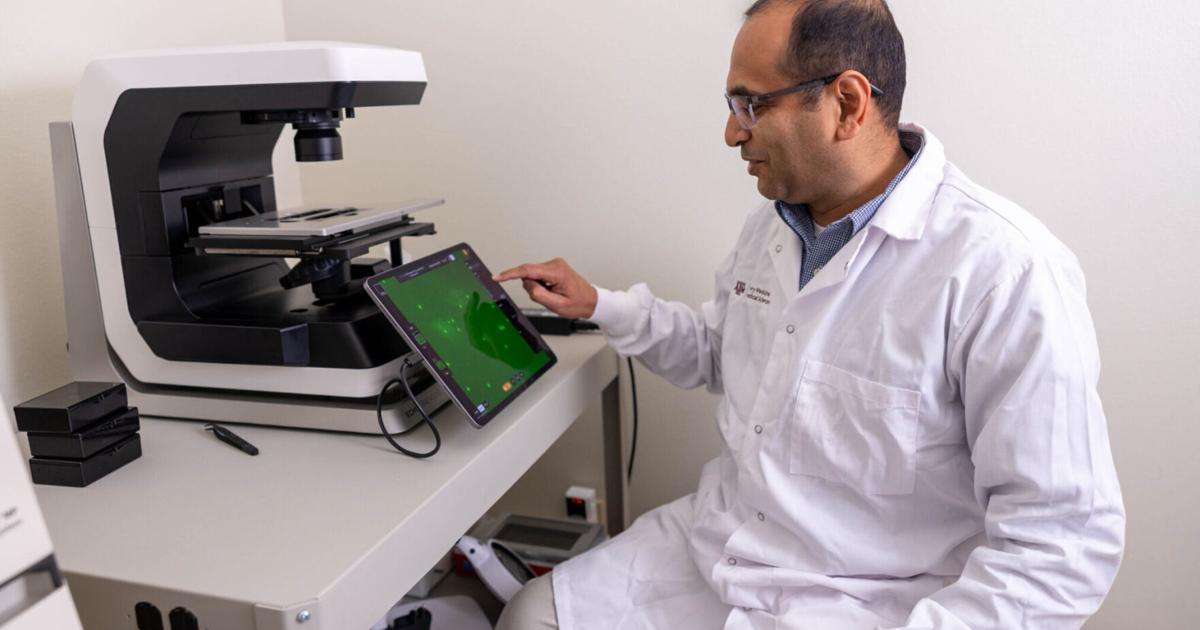
In related efforts, researchers at the Texas A&M College of Veterinary Medicine and Biomedical Sciences (VMBS) have been investigating another therapeutic target, MAP4K4, alongside collaborators at the University of Oklahoma. Their team tested an experimental small-molecule inhibitor named GPPD in preclinical models. Unlike treatments that focus solely on reducing fat, GPPD simultaneously improved fat accumulation, inflammation, liver injury, and fibrosis by decreasing the target protein’s activity without altering its overall levels.
Experts emphasize that translating these experimental strategies into human applications will require extensive further study. While the identification of UBE2N and alternative pathways offers promising targets for preventing advanced liver disease, clinical applicability remains entirely preclinical at this stage. Future investigations will need to determine how enhancing these protective mechanisms can complement existing therapies and safely translate to patients.
Related reading

Defra Records Record 2,201 Bluetongue Cases on British Farms
British farming is facing its worst bluetongue season on record, with Defra recording 2,201 cases by early autumn.
Stanford Researchers Develop uRARE-seq Urine Test for Bladder Cancer
Researchers at Stanford Medicine and the VA Palo Alto Health Care System have developed a non-invasive urine test...
MSF Doctor Evacuated to Netherlands After Testing Positive for Ebola
An Médecins Sans Frontières staff member working on the Ebola response in the Democratic Republic of Congo has...

Study Links Early Smartphone Use to Eating Disorders in Teens
“When a child whose brain is not yet capable of mature impulse control is pitted against an algorithm...