Oregon’s latest revenue forecast projects roughly $245 million in additional General Fund money, a stable outlook that still leaves community colleges facing a widening gap between state support and the actual cost of educating students.
The numbers, released on November 18, 2026 by state economists, give lawmakers a clearer picture as they begin drafting the 2027–29 budget. But the Oregon Community College Association warned that the extra revenue does not cover the systemic cost pressures bearing down on the state’s 17 community colleges.
“A stable revenue forecast doesn’t mean the cost of educating students is standing still,” said Dr. Abby Lee, OCCA Executive Director. “Our colleges have already made difficult decisions to stretch limited resources, including finding efficiencies, reducing expenses and relying on institutional reserves.”
The Higher Education Coordinating Commission’s agency request budget asks for $972 million for the Community College Support Fund, a 13.7% increase over the current biennium. OCCA supports the request, which is driven largely by rising operating costs, including significant increases in PERS obligations, rather than new programs.

Federal funding uncertainty and persistent inflation add another layer of risk. Oregon’s community colleges bolster the state’s economic future by offering affordable pathways to higher education, readying workers for high-demand careers and assisting employers in meeting evolving workforce needs. When state support lags, the colleges say they are forced to either cut services or shift more costs onto students.
“Investing in our colleges means investing in students, businesses and communities across the state,” Lee said. “It’s how we ensure Oregon has the skilled workforce it needs today and into the future.”
OCCA anticipates collaborating with the Governor and Legislature during the 2027 legislative session to obtain stable, sustainable funding that enables Oregon’s community colleges to keep delivering for students, employers and communities throughout the state.
Keep reading

Bowman: Energy, AI Risks Keep Dollar Firm
Persistent inflation risks from surging energy costs and heavy artificial intelligence investments are locking the US dollar into...

Casita Prado Stitches Clothing, Children and Community in Milwaukee
Millions of children's garments enter U.S. landfills annually because kids simply outgrow them, Radio Milwaukee reported. Addressing that...

Accidental Odorant Spill Triggers Gas Leak Calls and Evacuations in Cheyenne
Residents across Cheyenne, Wyoming, flooded emergency lines on Tuesday after a strong rotten-egg-like odor filled the city, triggering...
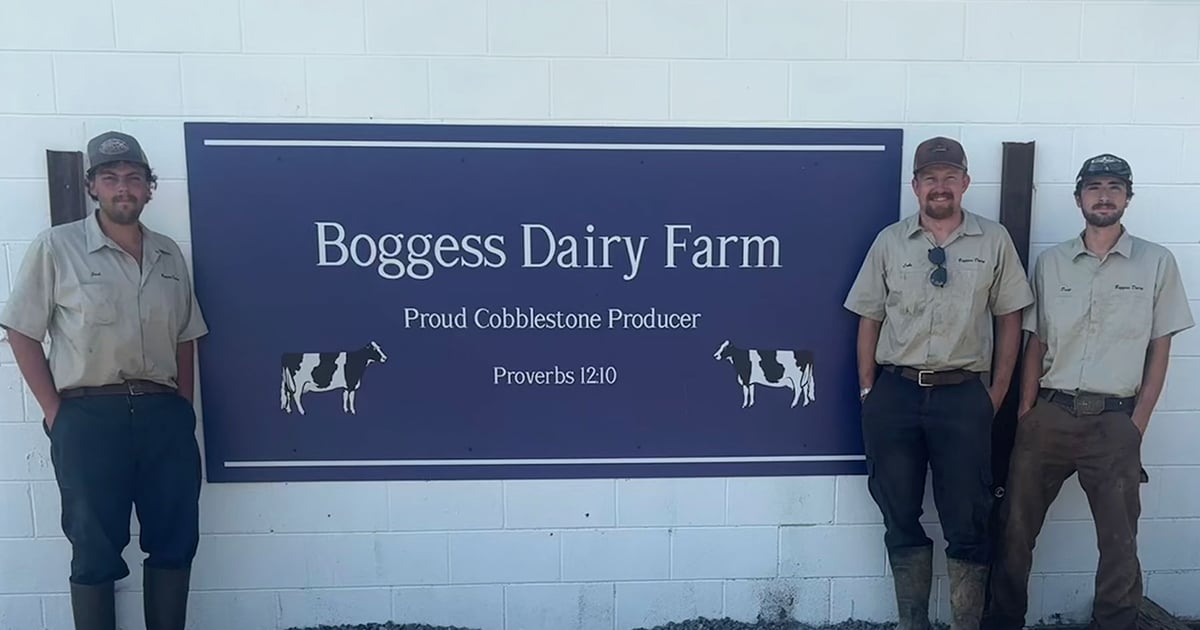
From Army to Elite Dairy: Luke Boggess Rebuilds 200-Cow Herd Averaging 105 Pounds
Luke Boggess returned to Monroe County, West Virginia, to run a 200-cow herd averaging 105 pounds per head...