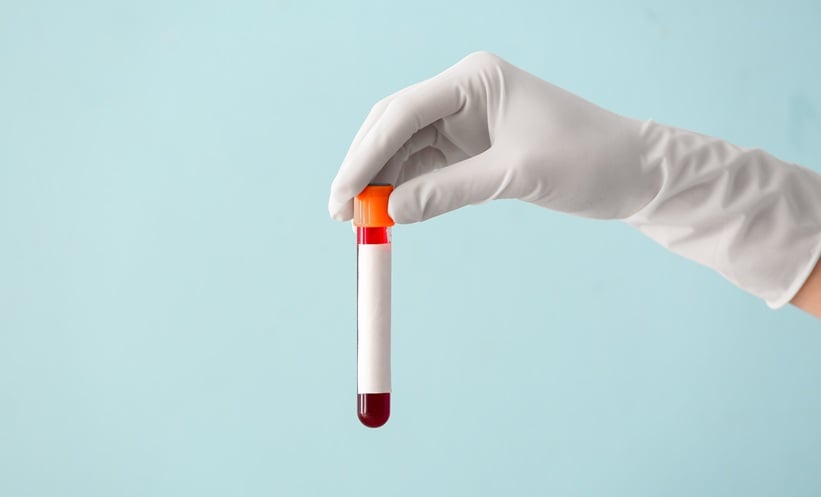
Blood Test Predicts Cognitive Decline a Decade Before Symptoms
A blood test measuring the Alzheimer’s biomarker p-tau217 can predict a person’s risk of cognitive decline up to a decade before symptoms appear, according to data presented at the Alzheimer’s Association International Conference (AAIC) 2026. This prognostic tool could transform early detection and prevention efforts by identifying individuals at risk for Alzheimer’s disease long before memory loss or cognitive impairment manifests.
Researchers analyzed harmonized data from 2,705 cognitively unimpaired participants, with a mean age of 70, drawn from five cohorts: A4/LEARN, HABS, ADNI, WRAP, and HABS-HD. The study, which was simultaneously published in the journal JAMA, tracked participants for an average of 4.7 years, with some follow-up periods extending beyond a decade.

Quantifying Future Risk
The study found that higher levels of plasma p-tau217 were associated with faster cognitive decline, with the strongest effects observed in participants who also had an elevated amyloid burden as confirmed by PET imaging. The predictive power of the test remained significant even after adjusting for age, sex, APOE ε4 status, and education.
The risk of developing cognitive impairment—defined as mild cognitive impairment, dementia, or a clinical dementia rating of 0.5 or higher—varied significantly based on p-tau217 levels:
* Very High Levels: Participants in this category faced an estimated 78% risk of cognitive impairment over 10 years and a roughly 1-in-3 chance within five years.
* Moderately Elevated Levels: Participants showed an estimated 15% risk over five years and 45% over 10 years.
Statistically, each one standard deviation increase in p-tau217 was associated with a 38% increased hazard of progression to clinical impairment. Researchers noted that the blood test provided predictive information that extended beyond what is currently captured by traditional brain imaging and genetic testing.
Role in Clinical Trials and Future Care
While the findings represent a major scientific advance, researchers and medical experts emphasize that the test is not yet ready for widespread clinical use. Dr. Reisa Sperling of the Mass General Brigham Neuroscience Institute, the study’s senior author, advised that healthy individuals should not rush to be screened. “At this point it wouldn’t change what I would tell someone to do,” Dr. Sperling said, noting that she would still recommend healthy lifestyle habits such as exercise, proper sleep, and staying engaged.
Instead, the immediate utility of the test lies in identifying high-risk volunteers for clinical trials. These trials are essential for determining whether new drugs can effectively delay or prevent the onset of Alzheimer’s. As Dr. Rachel F. Buckley, the study’s lead author, explained, the test could eventually be used to guide monitoring, treatment decisions, and counseling once preventive treatments are approved.
Real-World Impact on Diagnostic Accuracy
Separate data presented at AAIC 2026 highlighted how blood-based biomarkers can improve diagnostic accuracy in active clinical settings. In a real-world study of 1,310 patients, researchers found that blood tests measuring amyloid beta and phosphorylated tau helped both primary care physicians and specialists improve their diagnostic accuracy to approximately 90%. For primary care clinicians, the test was particularly useful in ruling out Alzheimer’s disease as the cause of a patient’s cognitive issues, with their willingness to rule out the condition increasing from 12.9% to 25% following a negative test result. This shift in diagnostic confidence led to changes in patient care plans in more than half of the cases studied. The medical community continues to view the test as a “crucial piece of the puzzle” that, while not yet a tool for individual certainty, offers a path toward earlier, more personalized Alzheimer’s care.
Find more reporting in our Health section.
Keep reading
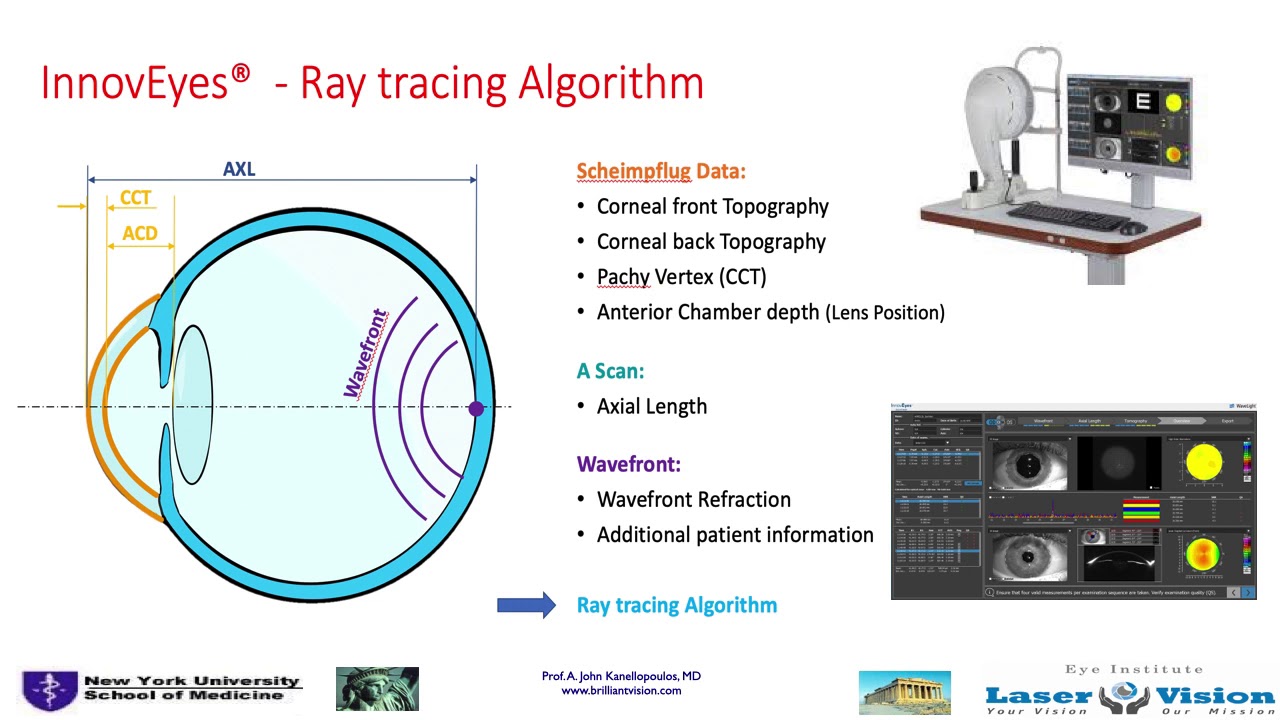
Stanford Trials Ray Tracing-Guided LASIK in Nearsighted Patients
Stanford Eye Laser Center is conducting a prospective, randomized research trial comparing ray tracing-guided LASIK to wavefront-guided LASIK...

PPARD Activated in Immune Cells Becomes Cancer-Fighting Tool
Researchers at Cold Spring Harbor Laboratory and the Massachusetts Institute of Technology have discovered that the lipid-sensing transcription...

Salk Institute Finds SRF3 Protein Restores Plant Iron Balance
Researchers at the Salk Institute discovered on October 14, 2026, that the plant protein SRF3 repairs cellular iron...

Vatican announces Pope Leo XIV has lung cancer after successful surgery
Pope Leo XIV underwent successful surgery at Rome’s Gemelli Hospital to remove a cancerous nodule from his right...