The U.S. State Department raised its travel advisory for Kenya from Level 2 to Level 3 on October 19, 2026, urging Americans to reconsider travel due to rising Ebola cases, violent crime, kidnapping, terrorism, and traffic safety concerns.
Washington adjusted the security posture for the East African nation as health authorities managed an ongoing outbreak of the Bundibugyo strain of Ebola. The updated guidance replaces a Level 2 advisory that had been in place since July 28, 2026. Regarding varying and heightened hazards across specific territories, Level 3 (Reconsider Travel) now applies to Kenya instead of the previous Level 2 (Exercise Increased Caution) designation issued by the State Department, cautioning that various regions carry distinct and elevated risks.
Ministry of Health Statement on the Confirmed Imported Case of Bundibugyo Ebola Virus Disease | 6 October 2026 pic.twitter.com/DRLSyXAZYR
Ebola Bundibugyo Virus Cases and Health Infrastructure Limits
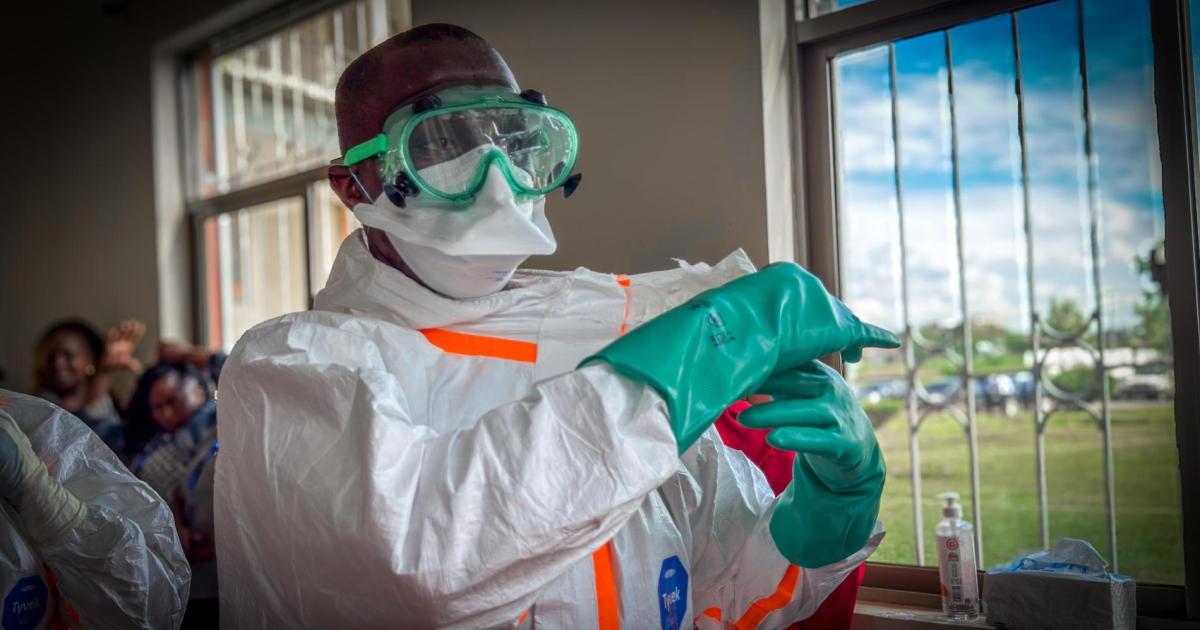
The health warning follows confirmation from Kenyan health officials that total infections reached eight on Sunday after a patient attendant in quarantine tested positive. The outbreak traces back to a 40-year-old Kenyan man who traveled from the Democratic Republic of the Congo through Uganda, arriving on October 3 before dying at Nairobi Hospital two days later. Among the infected are health workers who treated the first patient and a relative of the deceased.
The World Health Organization declared the outbreak a Public Health Emergency of International Concern on May 17, 2026. In the Democratic Republic of the Congo, the virus has spread across 64 health zones in seven provinces out of 26, specifically impacting Bas-Uélé, Haut-Uélé, Ituri, North Kivu, South Kivu, Sud Ubangi, and Tshopo. Ituri remains the most heavily affected province with 28 of 36 health zones reporting cases, followed by North Kivu, Haut-Uélé, Tshopo, Bas-Uélé, South Kivu, and Sud-Ubangi. The outbreak in the DRC expanded to an eighth province, North Ubangi, raising further regional transmission concerns. To manage the crisis, the Kenyan Ministry of Health and the National Public Health Institute have screened over 652,000 travelers entering the country, tested 267 suspected samples, and trained approximately 5,000 health workers on Ebola prevention, including simulation exercises led by rapid response trainers who served during the 2014–2016 West Africa outbreak.
Centers for Disease Control and Prevention issued a specific travel health notice for the Bundibugyo strain in Kenya. The advisory warns that Medical services in Kenya are limited.
They are often unavailable in rural areas.
Medical facilities in Kenya often lack sufficient medicine and equipment
, noting that medical conditions may require expensive medical evacuations at the traveler’s expense.
Security Threats and Specific No-Travel Zones
Beyond health risks, the advisory outlines persistent security hazards across the country, pointing to violent crime that can occur at any time, including armed carjackings, muggings, home invasions, sexual assaults, and kidnappings for ransom. The alert also warns that demonstrations and economic protests can turn violent, resulting in blocked roads and attacks on vehicles.

The United States maintains its highest Level 4 restriction, advising citizens to stay away from Kibera and Eastleigh within Nairobi, citing kidnapping and crime dangers as the rationale for a Do Not Travel directive. Similar no-travel restrictions cover several border and coastal regions.
- Garissa, Wajir, Mandera, Lamu, and Tana River counties, with an exception for Tsavo National Park
- Parts of Kilifi County north of highway C103 and coastal areas north of Malindi
- West Pokot County and western Turkana County
- Areas of Marsabit and Turkana counties within 50 kilometers of the Ethiopian border due to unrest
Regional Implications and Entry Requirements
The adjustment in Washington’s advisory carries consequences. Kenya serves as a financial and logistical hub for international missions, aviation routes, and trade flowing into neighboring nations like Somalia.
Travelers planning trips to Kenya must also address separate administrative mandates. The U.S. Embassy in Nairobi previously outlined a compulsory health insurance requirement linked to the nation’s electronic travel authorization system.
=== END ARTICLE >
More on Level
Related reading
Vertex Backs Research on Early Cystic Fibrosis Intervention
Nonsense mutations account for about 10% of cystic fibrosis cases, while new preclinical research published on September 29,...

Tanzania Implements Mandatory Health Declarations for Travelers
Tanzania has instituted mandatory online health declarations and strict 21-day traveler monitoring under Travel Advisory No.

CHMP Recommends Extended H5N1 Vaccine Use for Adults
European regulators recommended expanding AstraZeneca's intranasal H5N1 pandemic flu vaccine to include adults, removing an upper age limit...

Adolescent Girl with Epilepsy Suffers Severe DRESS Syndrome
Two pediatric case reports detail rare presentations of Drug Reaction with Eosinophilia and Systemic Symptoms (DRESS) syndrome in...