The Centers for Disease Control and Prevention confirmed its third measles death of 2026 on October 20, as the nation battles its largest outbreak in decades with over 4,400 recorded cases across 45 states and Washington, D.C.
Pennsylvania Outbreak Drives National Numbers as Death Toll Rises
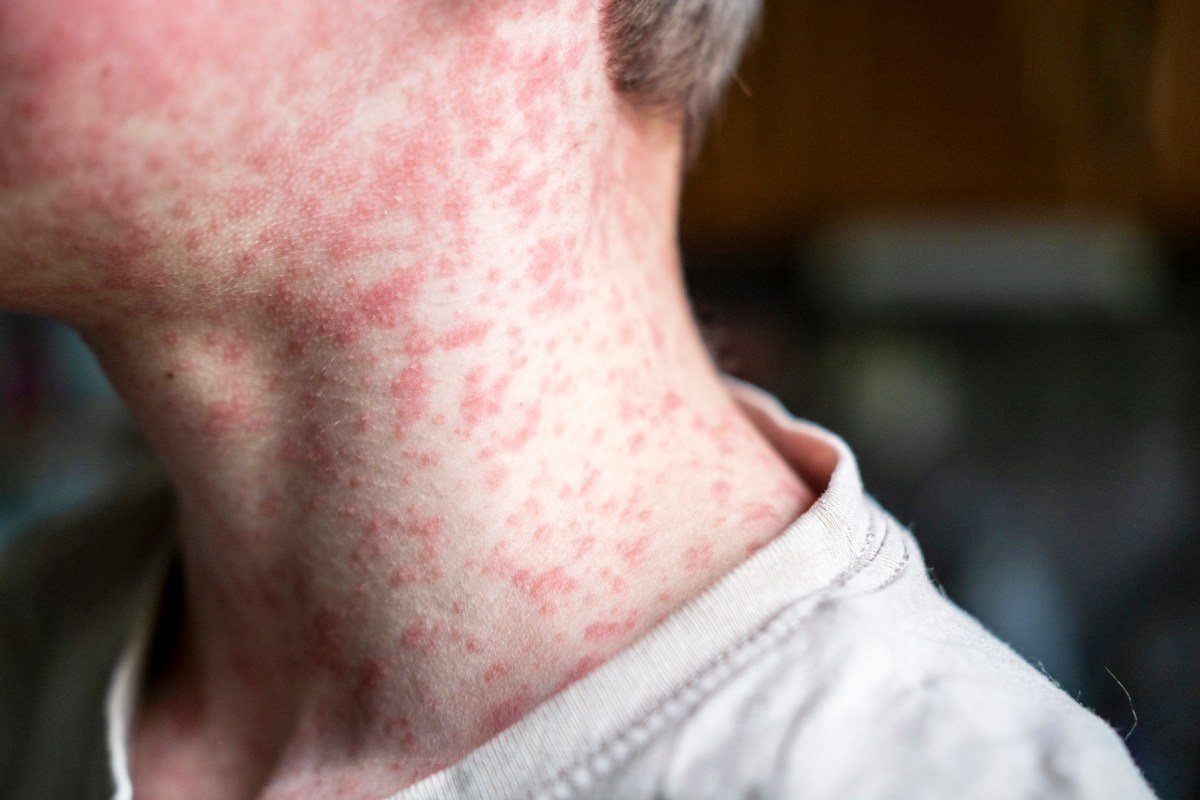
The federal agency recorded the latest fatality after the National Center for Health Statistics verified measles as the underlying cause of death on a death certificate, though federal officials did not specify the home state of the deceased as the US records more than 4,400 measles cases nationwide. The federal tally remains below state-level counts, particularly in Pennsylvania, which has emerged as the epicenter of the crisis. As of October 15, 2026, the cumulative national total reached 4,410 confirmed measles cases, with 42 new outbreaks reported during the year and 96 percent of confirmed cases linked directly to ongoing outbreaks.
Pennsylvania health officials reported 1,286 confirmed cases across 42 counties, accompanied by 247 hospitalizations and five confirmed measles-associated deaths as the state’s confirmed measles count rose to 1,286 cases across 42 counties. The outbreak has strained healthcare workers, with pediatric cases climbing. Nationally, federal data indicates that children aged 5 to 19 account for 42 percent of cases, individuals aged 20 and older make up 41 percent, and children under 5 represent 17 percent of infections. State data shows health departments are contending with communities where vaccination coverage has slipped.
State Health Officials Issue Emergency Pregnancy and Infant Alerts
With transmission crossing 42 Pennsylvania counties, the state Department of Health issued a clinical alert on October 19 advising providers that pregnant women without measles immunity who suffer an exposure can receive immunoglobulin, an antibody treatment, within six days of their first exposure. Because the MMR vaccine uses a live virus and cannot be administered during pregnancy, clinicians are racing to provide antibody therapy within the narrow six-day window before symptoms appear if you are pregnant, not immune, and exposed to measles, you should receive intravenous immunoglobulin (IVIG) within six days of exposure. State health officials also advised that infants aged 6 to 11 months living in or traveling to counties with sustained spread should receive an early dose of the vaccine.
Declining Immunization Rates and the Threat to Elimination Status
Public health experts point to declining vaccination rates as the primary driver behind the resurgence. National kindergarten MMR coverage dropped while about 280,000 kindergartners lacked records showing they finished the series. Infectious disease specialists note that the highly contagious virus infects roughly 9 in 10 unprotected people who are exposed, making high community vaccination levels critical to prevent sustained transmission.
Across the state, health workers have administered thousands of doses through pop-up clinics designed to reach vulnerable and under-vaccinated pockets, including Amish communities where historical vaccination rates tend to be lower due to a lack of perceived threat over recent decades.
Public health authorities continue to monitor the trajectory of the nationwide spread, with infectious disease experts predicting total confirmed cases could reach roughly 6,000 to 6,500 by the end of 2026.

Readers should consult qualified healthcare professionals or official public health agencies for personalized medical guidance regarding vaccination schedules, exposure risks, and clinical treatments.
>
Related reading

Adeno-Associated Virus Gene Therapy Targets Hydrocephalus
Researchers at the University of Cincinnati and UC Davis have demonstrated a preclinical proof-of-concept for an experimental gene...
Vertex Backs Research on Early Cystic Fibrosis Intervention
Nonsense mutations account for about 10% of cystic fibrosis cases, while new preclinical research published on September 29,...

Tanzania Implements Mandatory Health Declarations for Travelers
Tanzania has instituted mandatory online health declarations and strict 21-day traveler monitoring under Travel Advisory No.