U.S. Secretary of State Marco Rubio said Sunday that diplomatic efforts to end the conflict with Iran have made little progress, describing Iranian demands as “unacceptable.”
Speaking to reporters in Florida before his departure for a Group of Seven (G7) foreign ministers’ meeting in France, Rubio noted that current negotiations have not been productive. According to a report from Xinhua, Rubio characterized some of the Iranian positions as “not realistic.”
The stalemate comes as the Trump administration balances a preference for diplomacy against an active military presence in the region. While Rubio reiterated that the administration prefers a diplomatic solution, he noted that such outcomes are not always possible.
Yahoo reported that Rubio further described the Iranian demands as “outrageous and ridiculous” in addition to being unacceptable. He added that while various countries continue to engage Iran with different proposals, he did not believe the parties were “on the verge of a breakthrough.”

While diplomatic channels remain stalled, the United States is intensifying its efforts to disrupt Iranian logistics. The U.S. Central Command announced Saturday the formation of Task Force Iron Gate.
This new unit consists of approximately 20 military and civilian personnel. Their specific mission is to coordinate efforts across various U.S. government agencies to intercept the movement of advanced weapons and other materials across Iran’s land borders and alternative routes.
President Donald Trump signaled the strength of these operations on social media Sunday, stating that the task force is “in full force and effect” in Iran. He claimed that, when combined with an existing U.S. naval blockade, “very little gets into, or out of, Iran.”
Despite the increased enforcement of blockades and the deployment of new task forces, President Trump suggested that large-scale combat might not be the immediate path forward. In an interview with CNN, Trump stated it is “highly unlikely” that the United States will resume large-scale military strikes against Iran so long as negotiations continue to make progress.
However, the President did not rule out the possibility of additional military action. This ambiguity follows a period of intense speculation regarding the administration’s next steps. According to Yahoo, there was widespread speculation that Trump might resume the war against Iran following the U.S. midterm elections, in which his Republican Party lost control of both the House of Representatives and the Senate.
The ongoing conflict, which the President has stated was launched by the U.S. and Israel in February, is intended to prevent Tehran from developing nuclear weapons. The administration’s strategy appears to be a dual-track approach: maintaining severe economic and logistical pressure while leaving the door open for a mediated settlement.
Diplomacy is complex, with third-party nations attempting to bridge the gap between Washington and Tehran. Qatar currently serves as a central mediator in the conflict.
Trump is expected to meet with Qatari Prime Minister Mohammed bin Abdulrahman Al Thani in Washington on Monday, potentially starting the next phase of high-level talks. This meeting could determine whether the “unacceptable” demands cited by Rubio can be reconciled through international mediation or if the current blockade and task force operations will remain the primary tools of U.S. policy.
“Right now, it hasn’t been very productive because the Iranian demands are simply not just unacceptable, but in some cases … really not realistic.”
Worth a look
NSS and the Donroe Doctrine: Implications for Taiwan Security
The Transactional Shift in the Taiwan Strait Washington is recalibrating its role in the Indo-Pacific, moving away from...
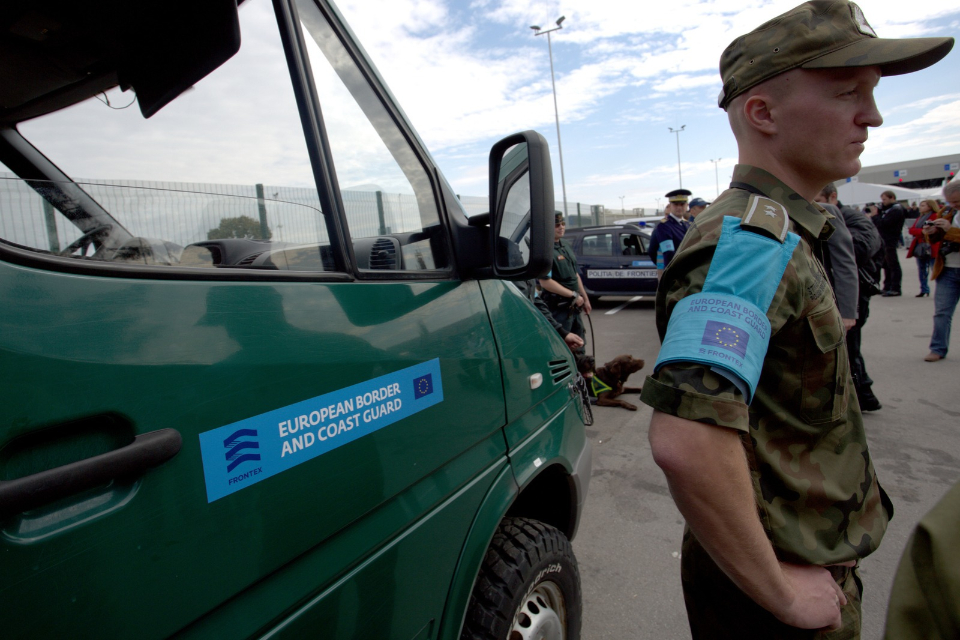
EU Commission Proposes 30,000-Strong Frontex to Lead Deportations
On 9 November 2026, the European Commission wants to transform Frontex into the central engine for European Union...
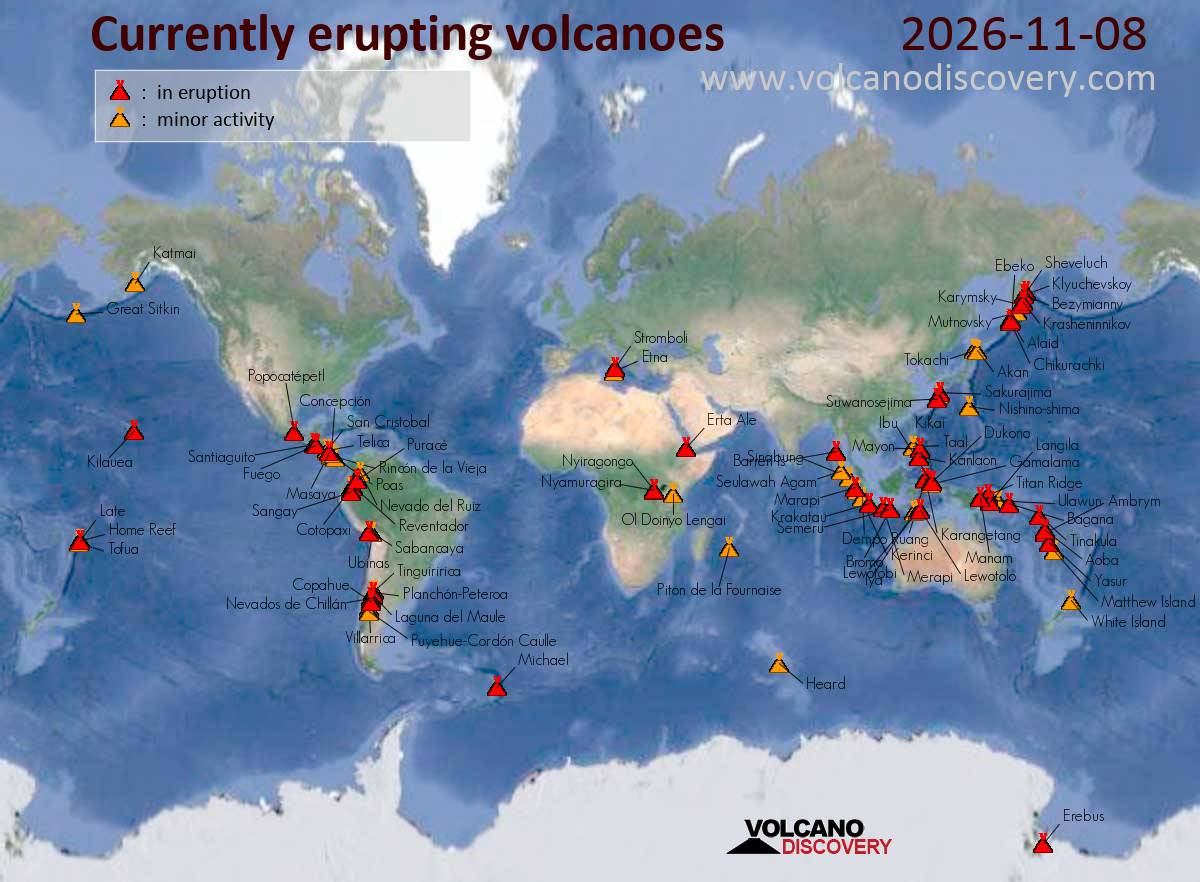
Popocatépetl, Semeru and Other Volcanoes Report Active Ash Plumes
Multiple volcanoes across the Pacific Ring of Fire and the Americas are currently experiencing explosive activity, sending ash...

For more than half a decade, the military junta led by General Min Aung Hlaing has maintained its
The Myanmar Junta’s Five-Year Survival Strategy For more than half a decade, the military junta led by General...