Russia Unveils Fintech Platform to Bypass Global Banking
At the third Russia–Africa Summit held in Moscow on October 28–29, 2026, the Russian government introduced a new financial platform designed to facilitate cross-border trade while circumventing Western-dominated banking systems.
The platform, developed by the Russian fintech firm A7, was presented to delegations from 48 African nations, including 22 heads of state, as a direct solution to the sanctions-related isolation of the Russian financial sector.
According to Business Insider Africa, the system leverages stablecoin technology to enable near-instant currency conversion. Russian President Vladimir Putin championed the platform’s utility to the assembled delegates, asserting, “With today’s technology, it is impossible to block such payments.”
The Mechanics of A7 International
The A7 system operates by bridging the gap between digital assets and traditional banking architecture. The company’s new service, A7 International, allows businesses to settle international invoices using USDT—a stablecoin pegged to the U.S. dollar—while ensuring that the recipient receives funds in conventional currencies like the euro, Chinese yuan, or UAE dirham directly into their bank account.
The infrastructure relies on the TRON blockchain for the digital leg of the transaction, while traditional SWIFT networks handle the final payout. A7 claims a processing fee of 0.3% and transaction times beginning at one business day. Finance Minister Anton Siluanov emphasized the efficiency of this model, noting, “Payments are fast, with just one click, and the fee is only 0.3%.”
A Strategic Pivot Amid Sanctions
This initiative arrives as Moscow seeks to deepen economic ties with African markets to offset the impact of over 30,000 Western sanctions imposed since 2022. The company, founded in 2024 with the participation of state-owned PSB Bank, reported handling 10 trillion rubles—approximately $110 billion—in cross-border payments during 2025. This volume represents roughly 19% of all international settlements conducted by Russian businesses, according to data provided by A7.
However, the project faces immediate geopolitical hurdles. On October 1, 2026, the U.S. Treasury Department imposed fresh sanctions on A7 and its network, accusing the firm of facilitating sanctions evasion and processing transactions linked to Iran. A7 has rejected these restrictions as unlawful, maintaining that its software is a tool for legitimate trade in consumer goods and commodities.
The African Trade Landscape
Beyond the technological pitch, the summit highlighted a broader push for economic integration. As reported by IOL, the summit sought to move beyond historical political solidarity toward practical, long-term economic partnerships. Trade between Russia and Africa reached $27 billion in 2025, a 50% increase from 2023 levels, with significant growth in agriculture and fertilizer exports.
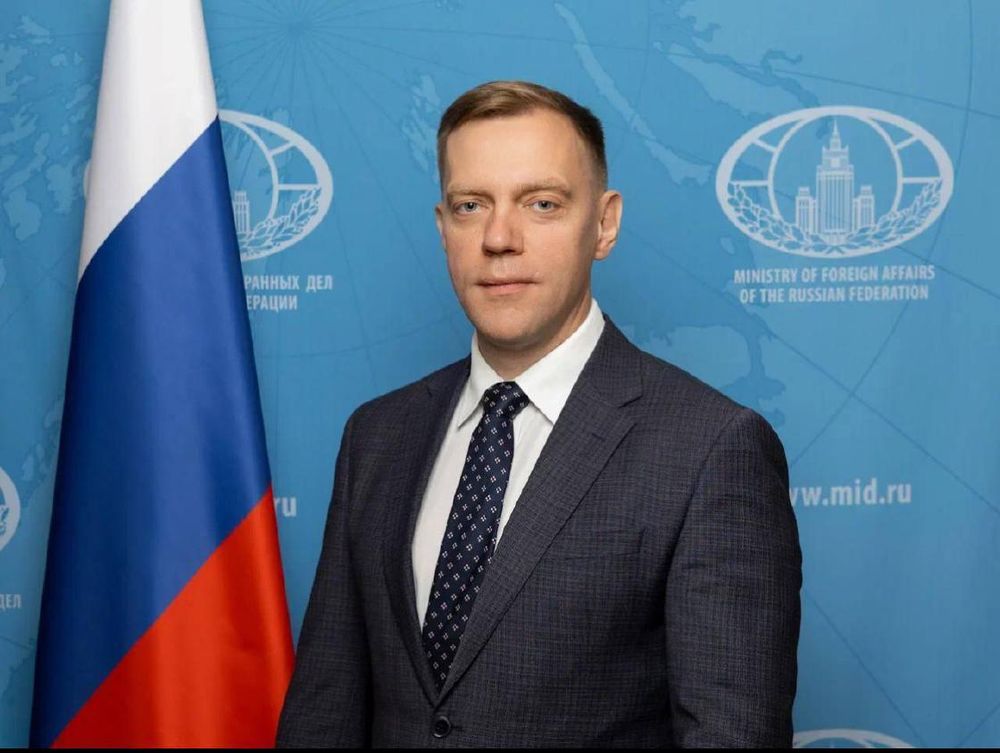
“African countries are not simply passive participants in this process. They are determining their own cooperation priorities, seeking access to technology, investment and new markets,” IOL reported in its coverage of the summit’s geopolitical implications.
For African businesses, the appeal of the A7 platform lies in solving persistent liquidity issues. Many firms across the continent struggle with foreign currency shortages and high transfer costs. A7 has already established representative offices in Lagos and Harare to target these markets, though the company acknowledges that its ability to function in these jurisdictions remains subject to the approval of local financial regulators.
The Regulatory Unknown
While Moscow frames the platform as a path toward a multipolar financial order, the long-term viability of the project remains an open question. The reliance on USDT and the TRON blockchain creates a potential friction point with international anti-money laundering standards and domestic financial oversight.
As A7 continues its expansion, the primary obstacle for the firm will not be technological capacity, but the willingness of African central banks to integrate a system that sits in direct opposition to the U.S. Treasury’s enforcement regime.
Keep reading

Rubio Says US-Iran Diplomatic Efforts Face Little Progress
U.S. Secretary of State Marco Rubio said Sunday that diplomatic efforts to end the conflict with Iran have...

NSS and the Donroe Doctrine: Implications for Taiwan Security
The Transactional Shift in the Taiwan Strait Washington is recalibrating its role in the Indo-Pacific, moving away from...

EU Commission Proposes 30,000-Strong Frontex to Lead Deportations
On 9 November 2026, the European Commission wants to transform Frontex into the central engine for European Union...
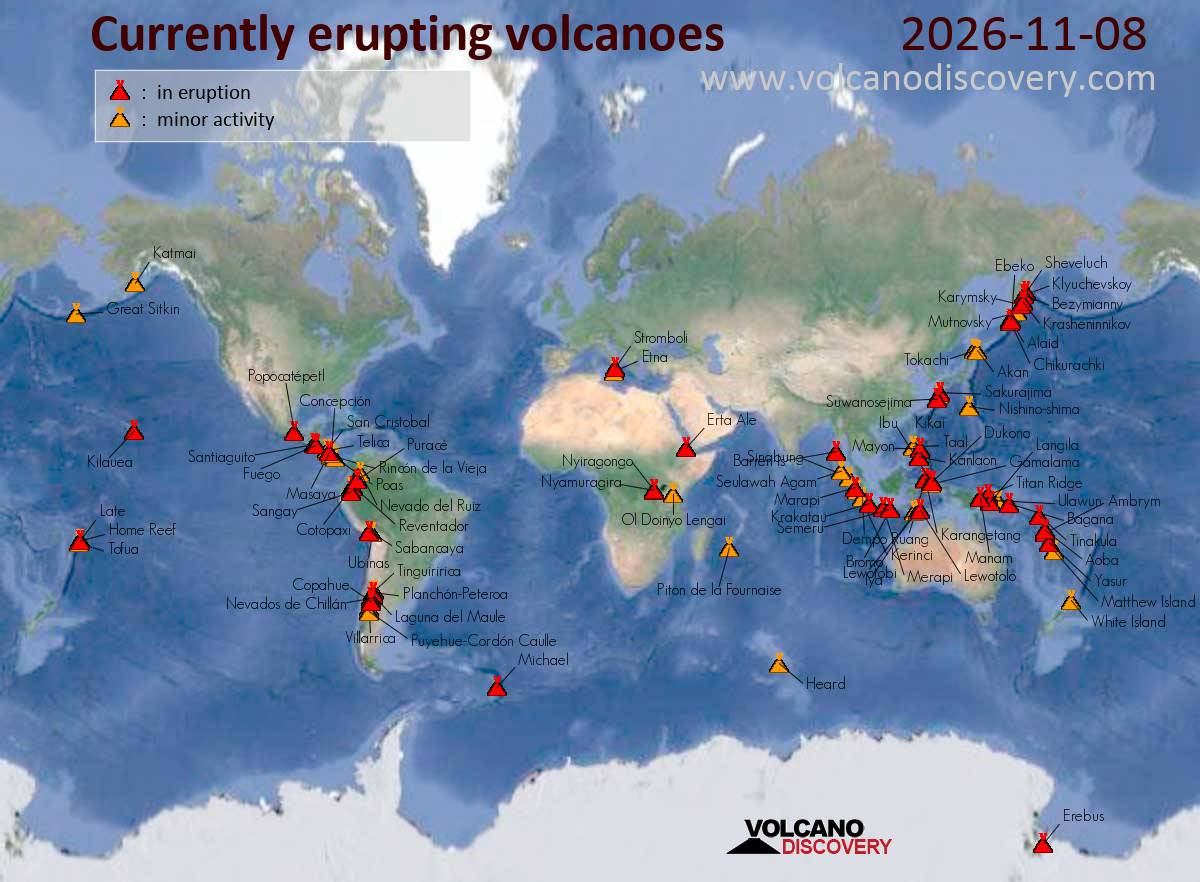
Popocatépetl, Semeru and Other Volcanoes Report Active Ash Plumes
Multiple volcanoes across the Pacific Ring of Fire and the Americas are currently experiencing explosive activity, sending ash...