
Tanzania has instituted mandatory online health declarations and strict 21-day traveler monitoring under Travel Advisory No. 18, issued on October 17, 2026. Permanent Secretary Dr. Grace E. Magembe announced the expanded border rules following an Ebola virus outbreak in the Democratic Republic of Congo and seven confirmed cases in neighboring Kenya.
Under the updated protocols, every incoming traveler must complete an electronic health form through the official government portal before departure or upon arrival. The government’s new border directive takes immediate effect across all international entry points, including airports, land borders, and seaports.
Travelers are required to retain the confirmation QR code or reference number for presentation to port health officers. Authorities conduct thermal screening and physical checks at all designated entry corridors to identify any individual displaying elevated body temperatures or symptoms associated with filoviruses. Yesterday, through Travel Advisory No 18, Ministry of Health Permanent Secretary Dr Grace Magembe explained that these steps were put in place pursuant to the Public Health Act of 2009 and the International Health Regulations (2005) along with its 2024 amendments.
MWONGOZO WA USHAURI KWA KWA WASAFIR WASAFIRI NA. 18 WA TAREHE 17 OKTOBA, 2026 KUHUSU TISHIO LA MLIPUKO WA UGONJWA WA EBOLA————————————–TRAVEL ADVISORY NO.18 OF 17th OCTOBER ON THREAT OF EBOLA OUTBREAK pic.twitter.com/Vc9RuK64jq
All travelers must truthfully fill out an online Health Surveillance Form through the official government portal before departure to the United Republic of Tanzania or upon arrival. Dr. Magembe pointed out that the advisory outlines compulsory health regulations that apply to port health authorities, transport operators, and travelers across every national entry and exit location.
Tanzania Enforces 21-Day Monitoring for High-Risk Arrivals
Travelers identified as high risk face rigorous oversight after clearing initial border checkpoints. The Ministry of Health mandates a 21-day follow-up program utilizing automated daily messaging and direct communication channels to track health status.

Visitors placed under this surveillance protocol must maintain active cooperation throughout the entire incubation period, continuing to respond to automated inquiries even if they depart Tanzania before the 21 days expire. Anyone developing symptoms is instructed to contact authorities via the toll-free hotline 199 or email [email protected].
Tanzania Mandates Infection Control and Conveyance Decontamination
Beyond surveillance, the directive enforces strict sanitation rules for both passengers and transport operators. Individuals must observe rigorous hand hygiene, use alcohol-based sanitizers, and avoid unnecessary physical contact while traveling.
Transport conveyances, cargo shipments, or human remains suspected of contamination undergo immediate disinfection at the port of entry to neutralize transmission vectors. Kenya confirmed seven cases of the Bundibugyo Virus Disease (BVD), including one death of the first patient who had travelled from the Democratic Republic of Congo through Uganda.
These are sensible, preventative measures. There are currently no cases of Ebola in Tanzania or Zanzibar. There is no need for public concern.
Tim Henshall, Head of Tourism Marketing at Tanzania Tourism UK
National Filovirus Case Management Guidelines Finalized in Morogoro
The emergency border advisory coincides with domestic preparations for high-threat infectious diseases.

Developed with technical support from the World Health Organization and funding from the UK Foreign, Commonwealth & Development Office, the framework establishes standardized clinical protocols for treating suspected Ebola and Marburg cases while safeguarding healthcare workers.
This guideline is an important milestone in strengthening Tanzania’s preparedness and response system for high-threat infectious diseases.
Dr Radenta Bahegwa, representing the Ministry of Health
Related reading

CHMP Recommends Extended H5N1 Vaccine Use for Adults
European regulators recommended expanding AstraZeneca's intranasal H5N1 pandemic flu vaccine to include adults, removing an upper age limit...

Adolescent Girl with Epilepsy Suffers Severe DRESS Syndrome
Two pediatric case reports detail rare presentations of Drug Reaction with Eosinophilia and Systemic Symptoms (DRESS) syndrome in...

George Washington University Studies Cancer Survivorship Care Models
Global cancer survivorship has reached an estimated 19.3 million new diagnoses, prompting researchers and clinicians to reevaluate how...
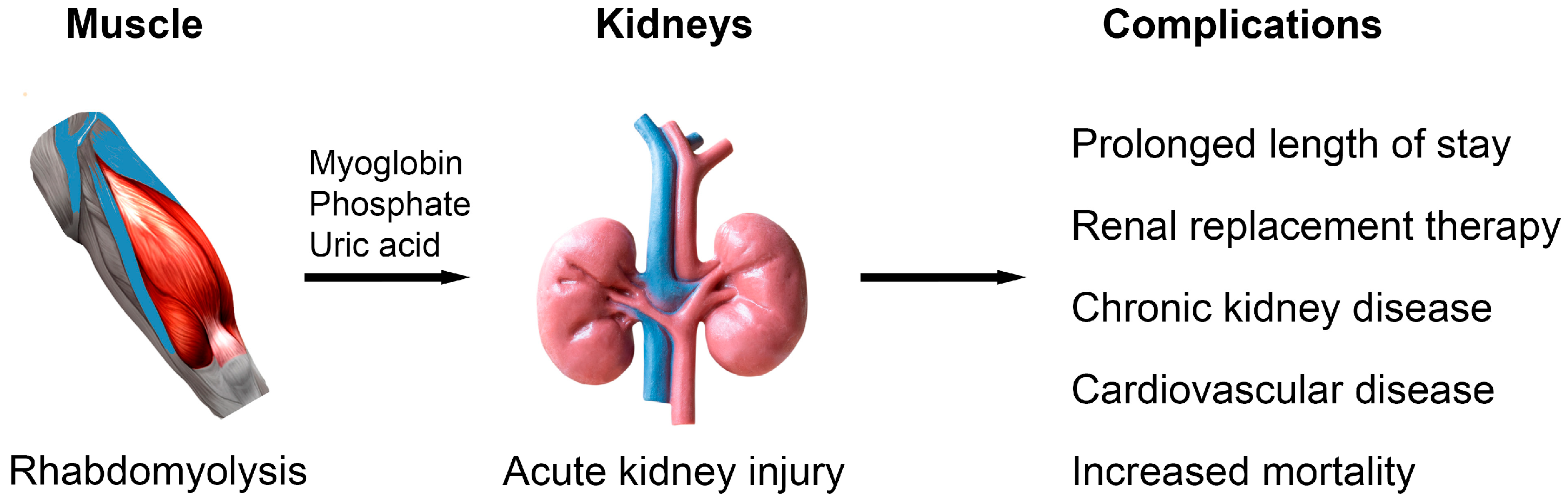
Amphetamine-Associated Rhabdomyolysis Triggers Severe Kidney Injury
Massive amphetamine-associated rhabdomyolysis can trigger severe metabolic, cardiovascular, and renal complications, including acute kidney injury requiring dialysis, as...