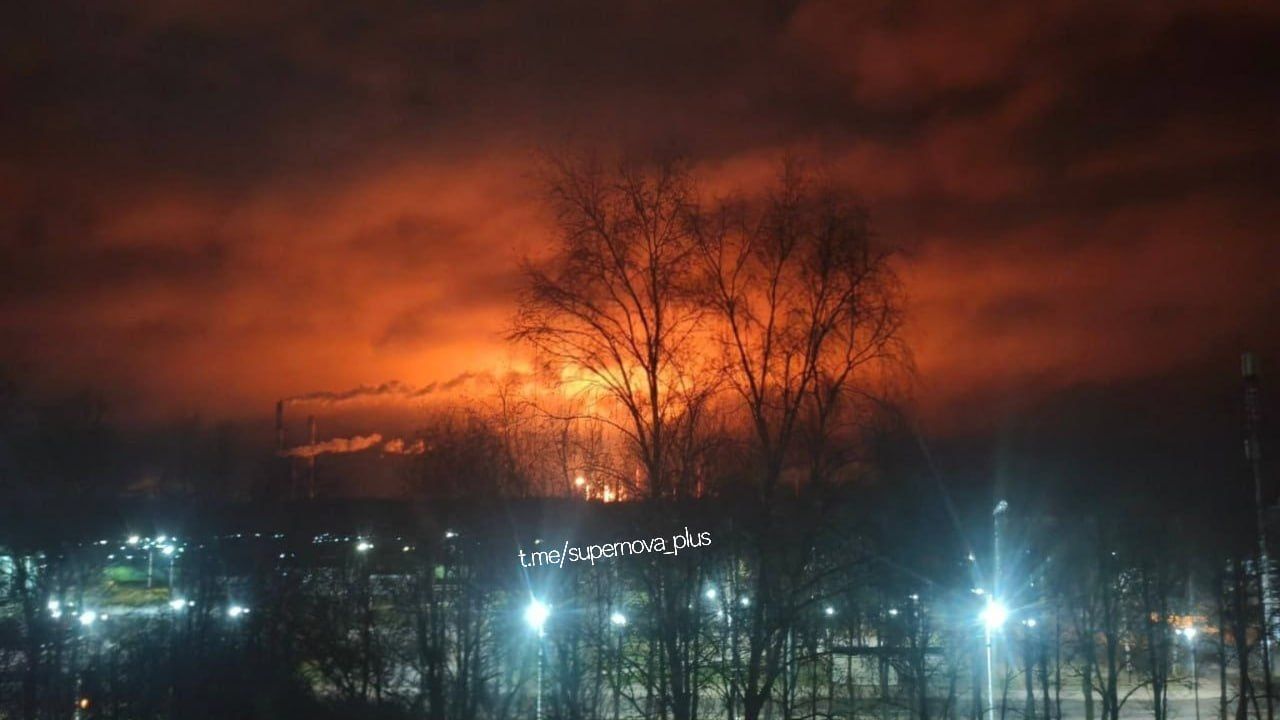
Ukrainian long-range drones struck the Kirishi Petroleum Organic Synthesis plant in Leningrad Oblast overnight on Nov. 9, igniting large explosions at Russia’s second-largest oil refinery.
Monitoring channels Exilenova+ and Supernova+ reported the strike on the facility, which sits approximately 800 kilometers north of the Ukrainian border. Satellite data from NASA’s Fire Information for Resource Management System (FIRMS) corroborated the reports, identifying multiple thermal anomalies and fires at the site.
The Kirishi facility, commonly known as the Kinef plant, is a critical component of Russia’s energy sector, processing 20 million metric tons of oil annually. According to The Kyiv Independent, the refinery accounts for more than 6% of Russia’s total refined oil production and provides fuel essential to the Russian armed forces. The plant is currently subject to Western sanctions, including measures implemented by the United States.
A Strategic Campaign Against Russian Energy
The Nov. 9 attack is the latest in a series of strikes against the facility. The refinery previously faced drone attacks on Aug. 30, and a May 5 strike temporarily halted processing after damaging three of the plant’s four crude distillation units. Aleksandr Drozdenko, the governor of Leningrad Oblast, claimed that Russian air defenses shot down 113 Ukrainian drones over the region during the latest engagement.
Ukrainian attack drones just hit Russia’s Kirishi Oil refinery, the country’s second largest, setting it ablaze. Locals already report at least one large fire coming from the sprawling complex. pic.twitter.com/Crnlv6YiP7
These operations are part of a broader, persistent campaign by Ukraine to degrade Russia’s ability to refine and export fuel. According to Ukraine’s Defense Intelligence Directorate (HUR) on Nov. 5, Ukrainian long-range strikes have forced 15 of Russia’s 38 major oil refineries to suspend operations as of the end of September 2026.
Another 12 facilities have reportedly reduced production, contributing to a 55.4% decline in combined output across the affected sites compared to the beginning of the year.
Economic and Military Implications
The impact of these strikes extends beyond the refinery gates. The Daily Beast reported that Ukraine’s persistent targeting of energy infrastructure has forced Russia to begin importing fuel from abroad and halt aviation fuel exports. The publication noted that the disruptions are hampering Russian military operations on the front lines, where fuel shortages have been reported alongside heavy manpower losses.
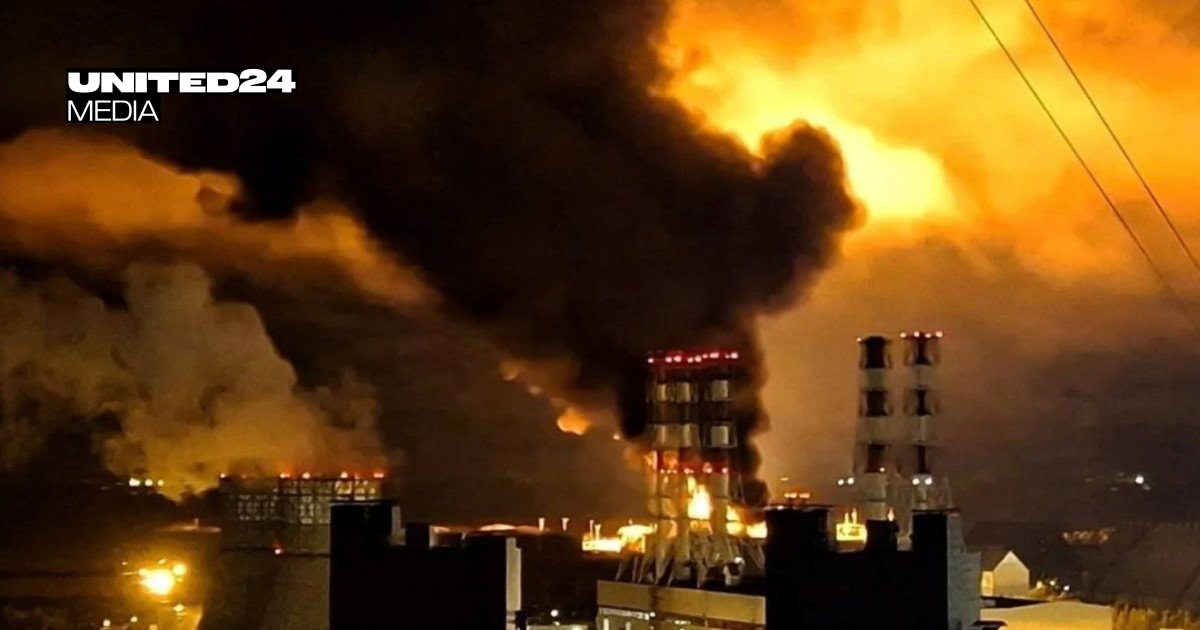
The economic toll is significant. According to HUR assessments, the strikes have caused more than $23.2 billion in economic damage to the Russian oil industry.
In an effort to shield the sector from further scrutiny, Vladimir Putin signed Decree No. 686 on Sept. 28, which limits the public disclosure of data regarding the industry’s performance. HUR officials stated that this move makes independent monitoring of fuel production, particularly diesel, nearly impossible for international observers.
The current tempo of strikes follows a period of ambiguity regarding international pressure. While U.S. President Donald Trump had urged a temporary halt to energy infrastructure attacks, senior Ukrainian officials confirmed to The Kyiv Independent that Kyiv never entered into such an agreement with Russia on Oct. 31. Ukraine continues to prioritize these targets to diminish Moscow’s capacity to sustain its war effort.
A Widening Front
The strike in Leningrad Oblast occurred alongside a series of attacks across several Russian regions. On Nov. 7, Ukrainian forces hit the Saratov Oil Refinery and targeted the Proton-Elektrotex electronic components factory in Oryol using Neptune missiles, according to reports from Yahoo. In the Rostov region, a large fire broke out near the Almaz military factory, while Russian authorities reported that over 50 drones were destroyed in the area.

The Afipsky Oil Refinery in Krasnodar Krai also faced a reported fire on Nov. 6 following a drone strike. АрміяInform highlighted that the Afipsky facility had recently undergone a $2.65 billion modernization project, including the installation of a new hydrocracking complex. This investment underscores the high cost of the infrastructure Russia is now struggling to maintain under the dual pressure of international sanctions and active combat damage.
As the conflict continues, the ability of Russian refineries to recover remains in doubt. With specialized equipment becoming increasingly difficult to source due to sanctions, the long-term viability of these strategic assets remains a point of intense focus for both military planners and economic analysts.
Keep reading
Russia Unveils Crypto-Based Payment System to Boost Trade With Africa
Russia Unveils Fintech Platform to Bypass Global Banking At the third Russia–Africa Summit held in Moscow on October...

Rubio Says US-Iran Diplomatic Efforts Face Little Progress
U.S. Secretary of State Marco Rubio said Sunday that diplomatic efforts to end the conflict with Iran have...

NSS and the Donroe Doctrine: Implications for Taiwan Security
The Transactional Shift in the Taiwan Strait Washington is recalibrating its role in the Indo-Pacific, moving away from...

EU Commission Proposes 30,000-Strong Frontex to Lead Deportations
On 9 November 2026, the European Commission wants to transform Frontex into the central engine for European Union...