Vermont’s push to overhaul its educational landscape through regional school consolidation is facing obstacles and concerns among local officials, vermontpublic.org reported.
The statute established 18 regional merger study committees tasked with holding their initial meetings before October 15, 2026, aiming for state sign-off on local recommendations by the end of 2027 and town meeting votes in 2028. Yet, less than a month into the statutory timeline, the process is already slipping behind schedule.
Legal Roadblocks and the Transparency Debate
At the heart of the early delays are fundamental questions regarding public meeting laws and open-records compliance. Because the newly formed merger committees operate as independent entities comprising members from multiple school districts, some legal counsel argue that agendas and minutes cannot legally be posted on individual supervisory union websites. The resulting confusion has prompted several committees to hit pause and cancel upcoming sessions until the state clarifies how meetings must be publicly noticed and documented.
Lead facilitator David Younce, working alongside districts, the Legislature, and the Agency of Education to keep the process moving, acknowledged the friction. There are some obstacles that have emerged that are definitely slowing the process down,
Younce noted, adding that he may need to petition the Legislature next year for an extension to push the 2028 vote timeline further out.
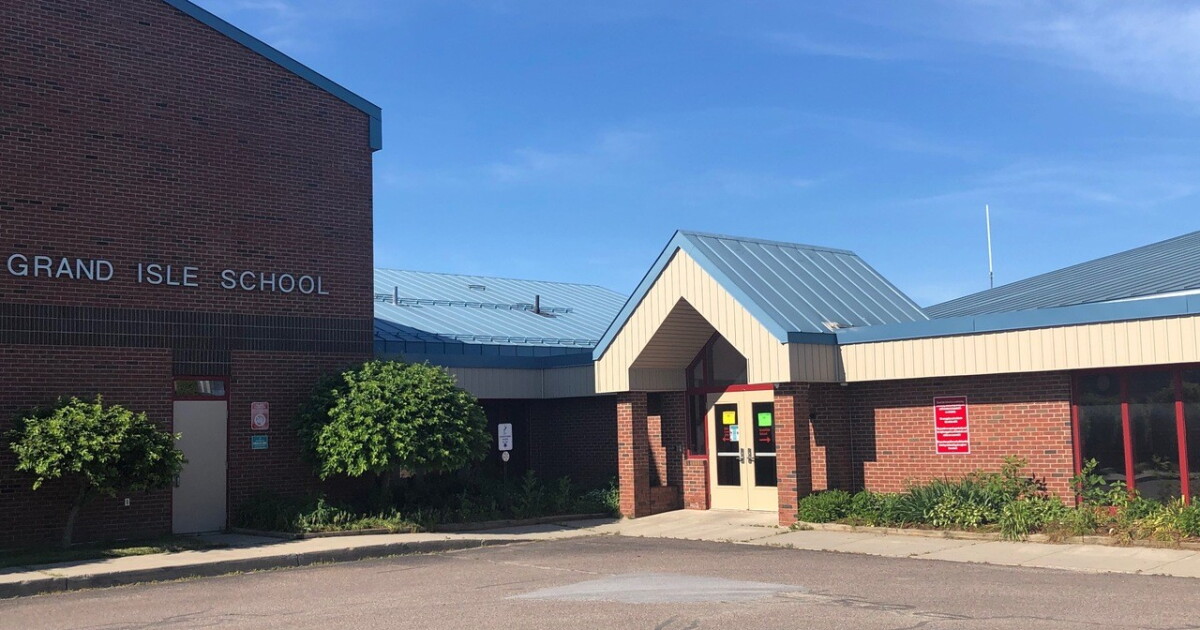
Beyond legal notices, local school leaders are grappling with how individual districts will maintain fair representation on newly consolidated boards. Smaller districts, particularly those scattered across the Champlain Islands, fear being permanently sidelined by larger mainland neighbors. South Hero School Board chair Richard Monterosso went into the process with an open mind, but now voices sharp disappointment. I am disappointed. I think it’s a disservice to public education,
Monterosso said as reported by vermontpublic.org. The issue is, it’s not transparent. It’s not coordinated, and I’m not even sure this is going to produce anything useful.
In the end, if we are merged with either Milton, or with Colchester, the island’s interests will always be in the minority, and majority mainland districts could vote to close schools,
he warned. We would lose a real, meaningful voice in any decision about education on the islands.
Financial Pressures and Agency Disputes
The structural anxiety is compounded by severe financial strain across local districts. According to reporting from drm.com, district leaders at an October 12 community forum in Woodstock described substantial uncertainty surrounding both the merger process and state education finance policies. Mountain Views Supervisory Union Superintendent Sherry Sousa pointed out that the state has yet to provide a clear framework for evaluating merger viability, contrasting the current effort with the more clearly defined objectives of past reforms like Act 46. Mountain Views faces a $32 million operating budget and anticipates roughly $1.5 million in annual reductions driven by changing state spending requirements.
Compounding these fiscal worries, local officials and superintendents argue that the Agency of Education has failed to deliver accurate, timely data needed to make informed choices about aging buildings and property tax impacts. Brooke Olsen-Farrell, president of the Vermont Superintendent Association and superintendent of the Slate Valley Unified School District, stated that committees are being forced to make high-stakes decisions without reliable reports. Right now we’re at a place where there are far more questions than answers,
Olsen-Farrell said. We recognize the complexity of the work facing the agency, but the way it’s rolling out is not necessarily inspiring a lot of trust in the field.
While the governor’s original proposal was designed to avoid certain challenges, the process involves regional merger study committees established by Act 170.
At the same time, Saunders pushed back against claims that the Agency of Education is withholding necessary guidance. Maintaining that there is ample data to begin the work, Saunders emphasized that the state must confront its fiscal reality regardless of administrative discomfort. The reality is districts have been having to cut programs,
Saunders said. They’ve had to cut electives. They’ve had to lay off staff. They’ve had to close schools. We’re at a point we can either cut more and more services for kids, or look at how we change.
With committees scattered across regions—from the Windham Northeast meetings adopting Robert’s Rules of Order to ongoing organizational hurdles in Caledonia and the Lamoille region—the coming months will test whether local boards and state regulators can bridge their profound differences before the statutory window closes.
Keep reading

Cheyenne South won’t play varsity football in 2027 – Wyoming Tribune Eagle
Cheyenne South High School will bench its varsity football program for the entire 2027 season, dropping down to...

John W. Robinson Obituary (2026) – Warren, OH – Behm Family Funeral Homes – Legacy
John W. Robinson, an 83-year-old resident of Warren, Ohio, whose life spanned three decades of highway patrol service...
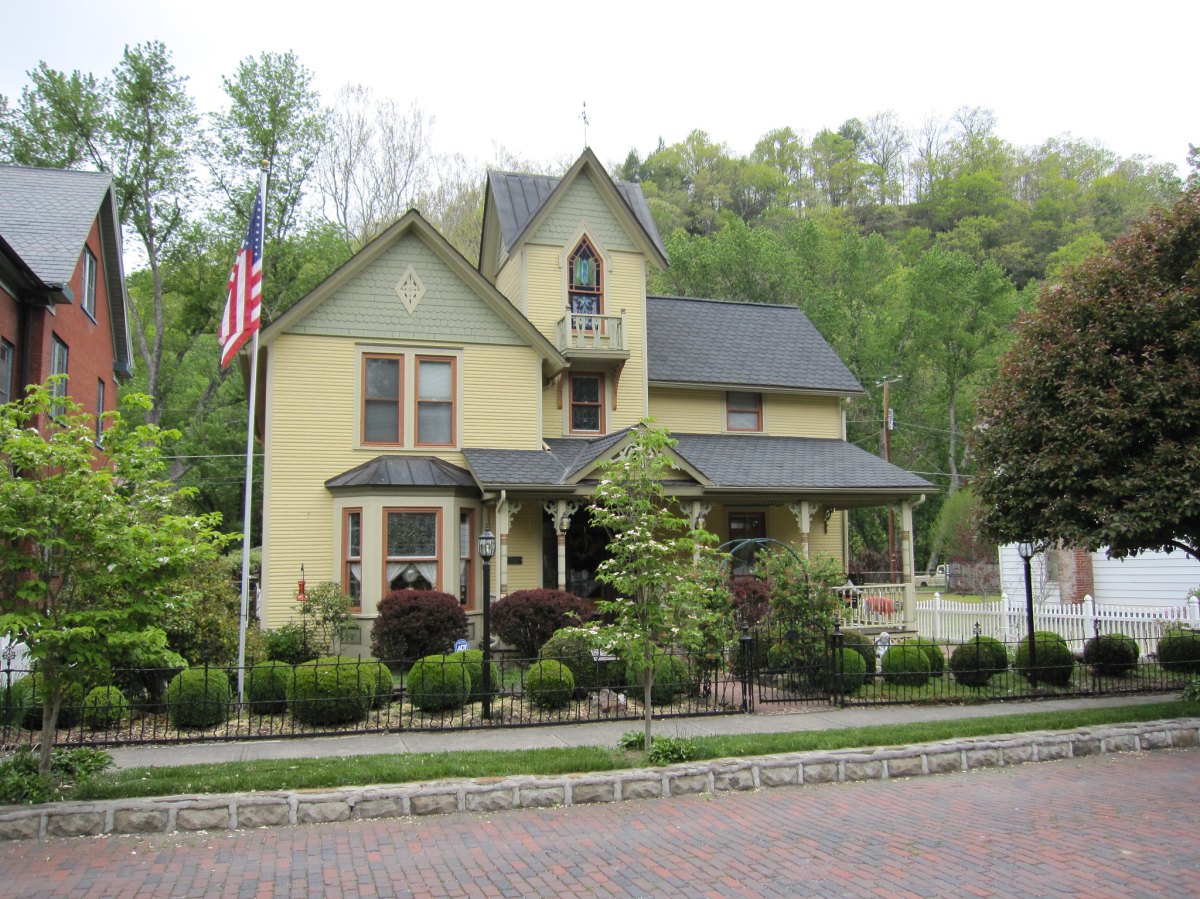
Step Back in Time in West Virginia’s Best-Preserved Victorian Town
Tucked Along the Bluestone River, a West Virginia Mountain Town Preserves Its Gilded Age Architecture When travelers picture...

Washington’s 11 Most Laid-Back Towns – World Atlas
Trading Packed Itineraries for Penn Cove Mussels and Mountain Air Visitors can easily spend a whole afternoon in...