
Nearly half a century after launching to explore the outer solar system, the Voyager probes are still operating as they approach a distance of one light-day from Earth.
Almost fifty years after lifting off from Earth, the twin Voyager probes continue running despite having virtually everything on board turned off. The mission originated from a rare planetary configuration where Jupiter, Saturn, Uranus, and Neptune align in a nearly straight line every 176 years. According to Dr. Garry Hunt, speaking with Richard Speed on an episode of The Kettle, the endeavor opened up an unknown world in the late 1960s and 1970s because humanity had never explored the outer planets before.
Reaching the Power Limits in 2035
Teams have managed the spacecraft’s dwindling resources by carrying out a major activity with the onboard power system and powering down almost everything else. Anticipations put the absolute end around 2035, when the signal will become too weak for any equipment on Earth to detect, assuming outside interference is kept away. The distance has stretched so far that communicating with the spacecraft requires an immense temporal span.
Well, I think the issue is it’s one light day in distance. Now if I’m sending you a message, suppose I’m speaking to you and you’re on Voyager.
Garry Hunt, Voyager imaging team member
Thousands of Images and Expanding Satellite Counts
During their journey past the giant planets, the spacecraft captured thousands of images, forming a foundational archive for planetary exploration. That catalog continues to yield results as modern citizen scientists access and process the data with tools far exceeding past capabilities. The sheer volume of observations also reshaped astronomical counts.
When the probes originally launched, astronomers counted only a handful—about ten or so—satellites orbiting Saturn. Today, that number has surged into the hundreds as researchers continue examining old data and finding new objects.
Trade-Offs and the Modern Funding Climate
Designing the mission required balancing competing demands from different scientific factions. Hunt noted that he wanted to focus on atmospheric features while geologists pushed for surface observations alongside other priorities regarding power system elements.
Looking back at the scope of the project, repeating a grand tour of Uranus and Neptune faces steep financial hurdles in the modern aerospace environment. With Uranus and Neptune visited more than forty years ago and nothing returning since, contemporary investors typically demand quick returns rather than waiting fifty years for scientific exploration to pay off.
Related reading
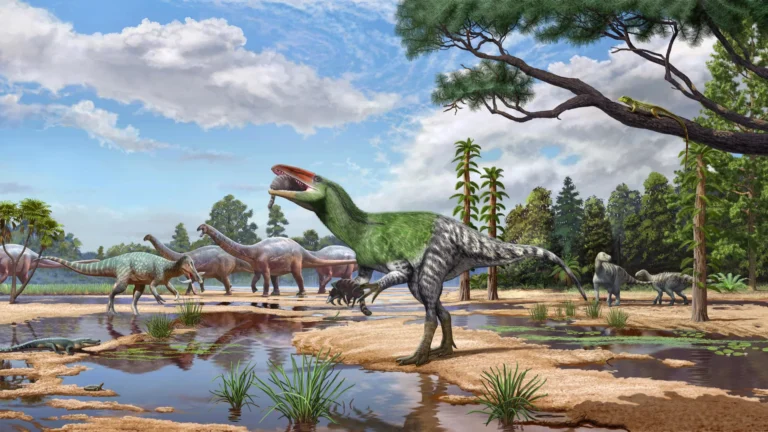
Natural History Museum Uncovers New Dinosaur Species in Century-Old Fossil
Researchers have identified Europe’s first megaraptoran dinosaur, named Invictibellatrix amberina, from a fossil skull fragment acquired by London’s...

Dr. Ramya Anche to head NASA’s $20 Million PUFFINS Space Telescope Mission
Bengaluru-born astronomer Dr. Ramya Anche has been selected as principal investigator for NASA’s $20 million PUFFINS space telescope...
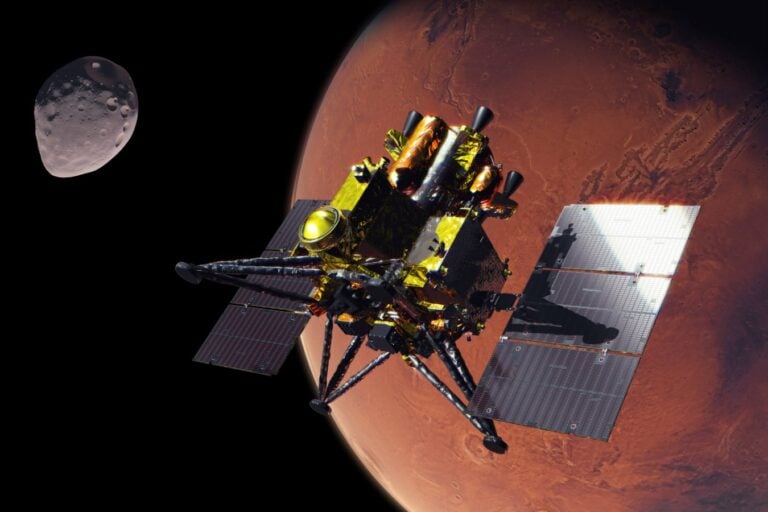
Japan to Launch Historic Round-Trip Mission to Mars Moon
Japan’s unmanned Martian Moons eXploration spacecraft is scheduled to launch from the Tanegashima Space Center on Tuesday to...
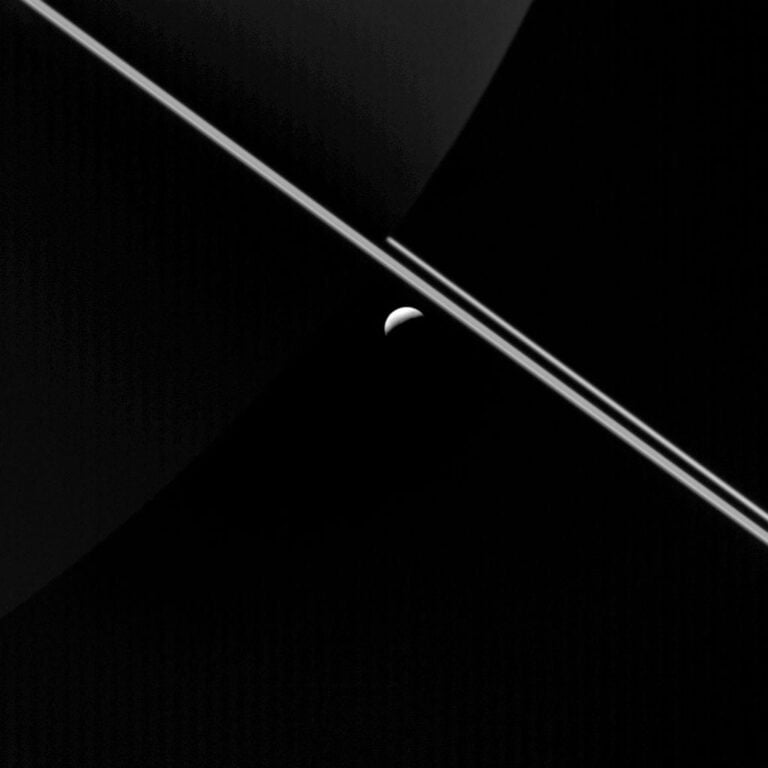
Cassini Finds Salt Diversity in Enceladus Ice
Saturn’s moon Enceladus concentrates and segregates ocean compounds into distinct ice grains during space eruptions.