
Chronic wasting disease (CWD) has reached a staggering presence in Wyoming’s wildlife, affecting 71% of elk herds and 95% of mule deer herds across the state, according to updates provided during a Wyoming Game and Fish Commission meeting on Friday. The data, shared by Corey Class, the wildlife management coordinator for the Cody Region, highlights the scale of the neurological challenge currently facing the state’s ecosystems.
The Wyoming Game and Fish Department is shifting its management tactics to address these numbers, focusing on specific high-risk environments. The commission is implementing season adjustments in certain hunt areas to increase harvest opportunities. These efforts are specifically aimed at reducing the prevalence of the disease in areas like riparian zones or cultivated lands, while also attempting to prevent the spread to adjacent, unaffected herds.
While the department is actively testing various management interventions, the long-term outlook remains a work in progress. Class noted that there is no definitive solution to eliminate the disease, but the agency is prioritizing strategies that can be evaluated for effectiveness.
“We don’t have a silver bullet to combat CWD, but based on things we know, there are several strategies worth trying and evaluating,” Class said. “The Paintrock Mule Deer Herd is one place where we have implemented focused harvest strategies, and we are learning what may be working and what isn’t. Eradication is not going to happen, and it may be too early to say that this will last long term, but certainly over the last couple of years it appears we may have at least stabilized it for now.”
One specific area of focus is the Paintrock Mule Deer Herd, where the department has been applying concentrated harvest strategies to monitor how these targeted efforts influence disease stability.
Wolverine monitoring expands in western Wyoming
Beyond the management of cervid diseases, the commission received updates on the ongoing efforts to track wolverine populations throughout the state. Andy Gygli, a small carnivore biologist for the department, detailed a multi-year monitoring initiative that began in 2015 through partnerships with federal agencies and other western states. These efforts will continue through the upcoming winter to track wolverine occupancy across Wyoming.
Since 2023, the Wyoming Game and Fish Department and the U.S. Forest Service have been conducting a collaring program. This initiative is designed to provide biologists with granular data regarding wolverine movement, diet, habitat preferences, and reproductive success. The collaring efforts are set to continue this year, with a focus on collecting genetic samples and identifying the specific travel corridors and home ranges essential to the species’ survival.
Keep reading

Phone Recording Leads to Arrests in Jacksonville Beach Group Attack
The Digital Paper Trail That Led to Four Arrests in Jacksonville Beach In the aftermath of a violent...
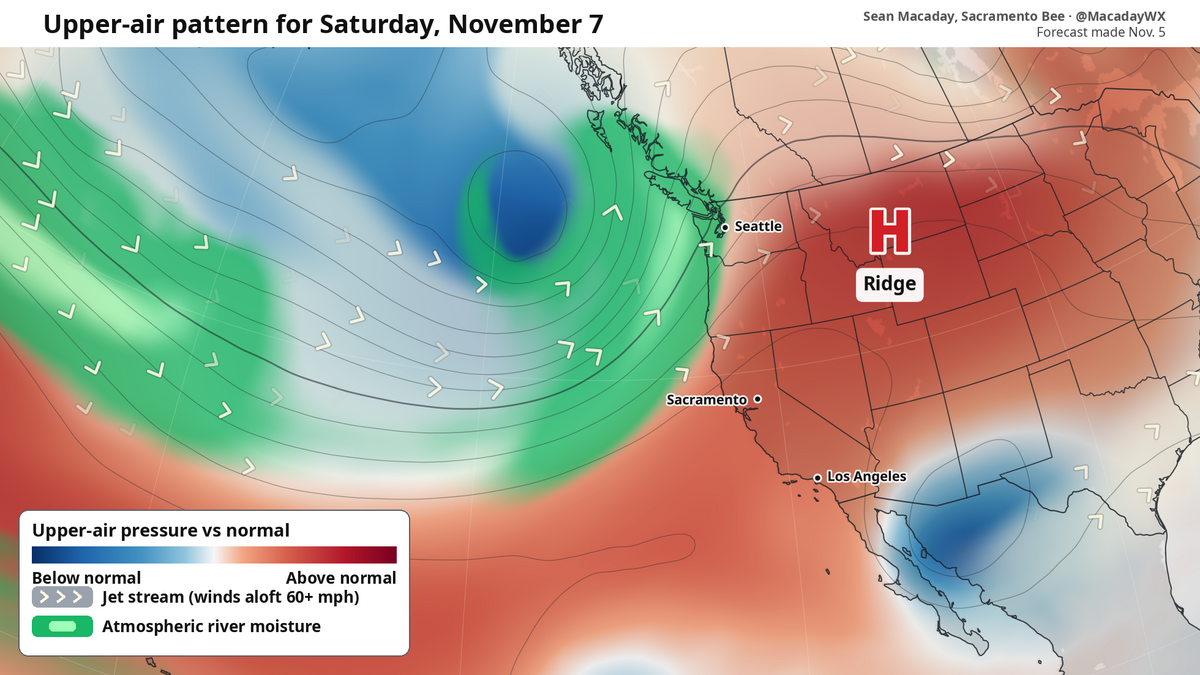
California expects warm weekend before potential atmospheric river
California’s Final Weekend of Clear Skies Before the Seasonal Shift If you have plans to head to the...

Pedestrian Accident Risks and Legal Liability in Juneau
Pedestrian Safety Risks in Juneau's High-Traffic Zones Walking through Juneau should be a routine part of daily life,...

Huntsville Animal Services Launches Online Pet Licensing Portal
Huntsville Animal Services Shifts Pet Licensing to Online Portal Huntsville Animal Services (HAS) is encouraging city residents to...